The Death of Maria Eduarda Rodrigues de Freitas: Understanding the Rope Jump Tragedy in Brazil

The Death of Maria Eduarda Rodrigues de Freitas: Understanding the Rope Jump Tragedy in Brazil
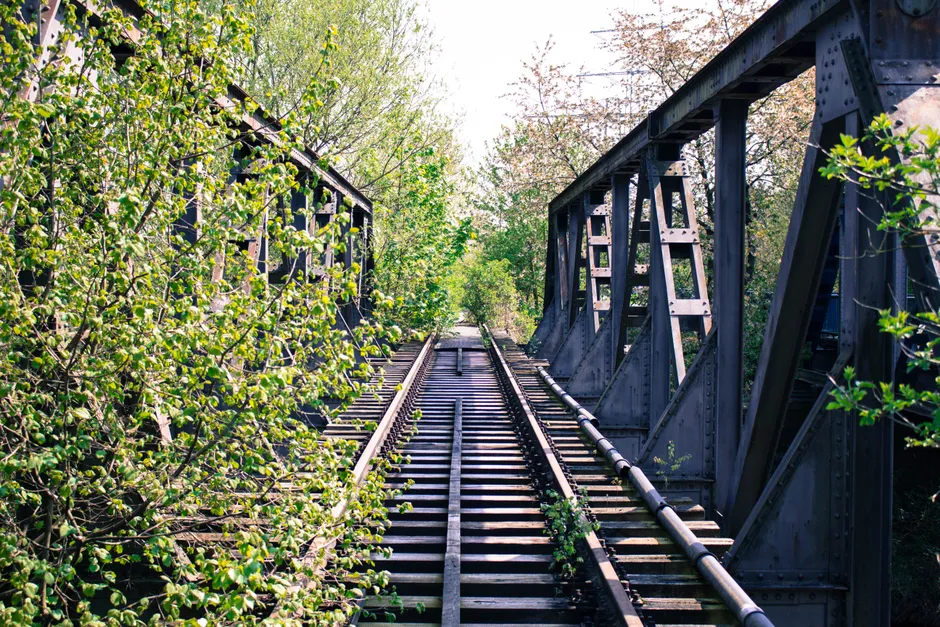
Maria Eduarda Rodrigues de Freitas, 21, died following a rope jump from Ponte do Esqueleto, an abandoned bridge approximately 40 meters (131 feet) above ground in Limeira, Brazil, AP News reported on June 14, 2026. She was subsequently buried after the incident.
Rope jumping — the practice of attaching a rope to a fixed structure and leaping with the expectation that the cord's tension will halt the fall — is a form of unregulated extreme sport that differs fundamentally from bungee jumping. While bungee jumping uses certified equipment, trained operators, and standardized safety protocols, rope jumping typically occurs without any of these safeguards. At 40 meters, the mathematics of failure are unforgiving: even a small error in rope length or anchor strength translates directly into fatal impact.
Ponte do Esqueleto — "Skeleton Bridge" — has become an informal gathering point for this activity. The bridge's abandoned status matters considerably. Disused infrastructure in Brazil, as in much of Latin America, often becomes a site for unsanctioned recreation because no security, fencing, or liability framework exists to deter access. Without dedicated enforcement resources, authorities struggle to monitor or restrict use of decommissioned structures.
Brazil lacks a comprehensive federal regulatory framework for informal extreme sports on abandoned or private structures. Participants operate in a legal grey zone where safety responsibility falls almost entirely on the individuals and whatever informal group coordinates the jump. When a death occurs, investigations proceed under general negligence law rather than sport-specific statutes — a distinction that matters because it means the legal system treats these incidents as accidents rather than failures of a regulated industry.
De Freitas's death fits a recurring pattern across Brazil and Latin America. Each incident typically generates calls for stricter oversight of abandoned sites, yet structural change — municipal ordinances requiring site security, national safety standards for informal extreme sports — has progressed slowly. The tension between the cultural valuation of personal autonomy in adventure recreation and the state's responsibility to protect citizens using public spaces remains largely unresolved in Brazil's policy landscape.
What separates these cases from accidents within legitimate sports is the layered absence of protection: no operator, no trained personnel, no equipment verification, and typically no emergency response capability. When failure occurs at 40 meters, response time becomes irrelevant.
Verified information currently includes the victim's identity, age, and location, along with details of her burial. The precise mechanical cause of death, whether other participants were present, and the status of any investigation by local authorities remain unconfirmed in available reporting. Coverage may develop as Brazilian federal and state authorities respond.