A Young Woman's Death and Brazil's Broken Responsibility Chain

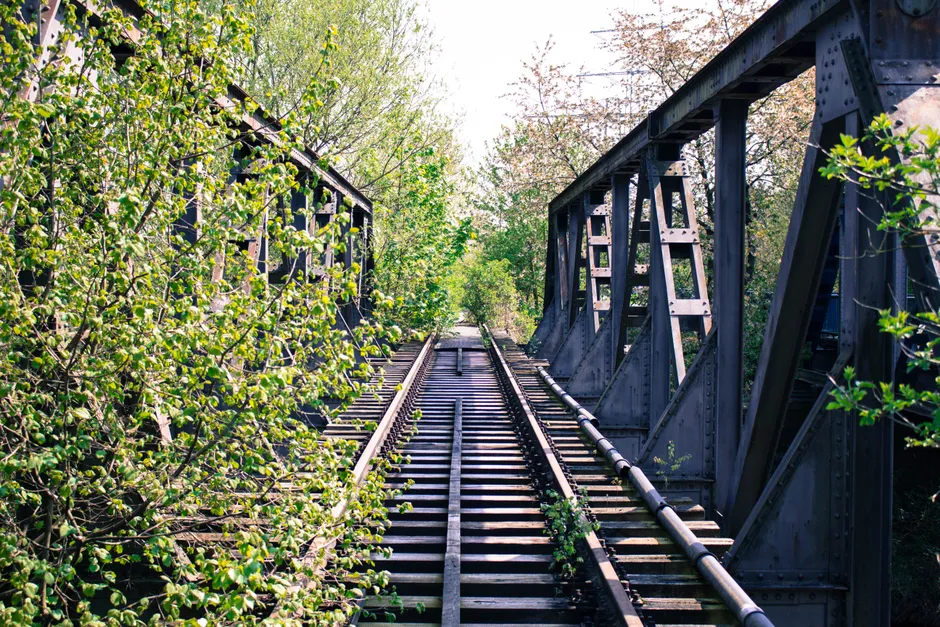
Limeira, a municipality in São Paulo state, is suing the Brazilian federal government over the death of Maria Eduarda Rodrigues de Freitas, who fell 40 meters from the Ponte do Esqueleto—the "Skeleton Bridge"—during a rope jumping event in June 2026. The city argues the federal government bears responsibility through negligent inaction: it knew or should have known the abandoned structure was being used for extreme sports, yet took no steps to secure it or warn the public.
Freitas, 21, from Jandira in greater São Paulo, died when she fell from the bridge during a rope jumping descent on a Saturday in June. Investigators found she was not attached to safety ropes at the moment of the fall. A nurse present at the site attempted resuscitation, but Freitas did not survive. Before the jump, she posted photographs to social media showing the bridge, her activity tracking bracelet, and her preparation—details that establish the gathering was informal and self-organized, not a licensed commercial operation.
The Ponte do Esqueleto has long been abandoned as infrastructure but has become an informal hub for extreme sports, especially rope jumping—a discipline where participants descend using a dynamic rope under operator control, quite different from bungee jumping. The site has no permanent safety infrastructure, no regulatory oversight, and no official warning system.
Limeira's lawsuit rests on a specific principle in Brazilian constitutional law: municipalities can hold the federal government liable not only for actions it takes, but for actions it fails to take when a legal duty exists. This doctrine, anchored in Article 37, §6 of the Federal Constitution, is the legal crux of the case.
Understanding the legal terrain here requires grasping Brazil's division of responsibility. Federal, state, and municipal governments each hold authority over different kinds of public assets and safety matters. Abandoned federal infrastructure sitting inside a municipality creates a gap in the system: the municipality cannot legally demolish or formally secure a structure that remains under federal ownership, yet it absorbs public anger and political damage when accidents occur. By filing suit, Limeira forces a court to decide which level of government actually held the duty to act.
The lawsuit's success will turn on several factual questions: proof of the bridge's ownership status, evidence of prior notices sent to federal authorities, and whether the federal government had reasonable knowledge that the site was being used for extreme sports. The social media trail Freitas created before her death could serve as evidence that the site's use was neither secret nor recent.
The case arrives amid a larger national conversation about how Brazil regulates—or fails to regulate—extreme sports. Rope jumping, canyoning, and similar activities operate largely outside the formal licensing systems that govern commercial adventure tourism. Deaths at informal sites occasionally trigger legislative proposals, but enforcement remains inconsistent across Brazil's 26 states and federal district. If Limeira wins on grounds of federal omission, it could set a precedent that shifts how courts calculate liability for hundreds of similar abandoned structures used informally for sport.
For Limeira's political leadership, the lawsuit also serves as a strategy to redirect public accountability. Brazilian municipalities routinely absorb anger over accidents at sites they do not control; filing suit pushes that responsibility upward. The case will take years to resolve, but the act of filing puts the federal government on legal notice that passive inaction over known-hazard infrastructure carries real consequences.
Maria Eduarda Rodrigues de Freitas was 21 years old. That fact, held alongside the legal and bureaucratic architecture that surrounds her death, must remain at the center of this story.