Russia Strikes Kyiv's Historic Monastery: What's at Stake Beyond the Immediate Toll

A major Russian aerial bombardment struck Kyiv on June 14, 2024, hitting the Pechersk Lavra monastery complex and setting fire to its Dormition cathedral. At least five people were killed, including rescue workers, and at least 20 others were wounded, according to NPR and Reuters.
The deaths of emergency responders deserve particular attention. Ukrainian rescue teams work under the threat of secondary strikes — a documented Russian tactic where follow-on attacks are timed to catch first responders arriving at a site. That rescue workers died alongside other civilians suggests the initial attack's intensity and the compounding dangers these teams face with every call.
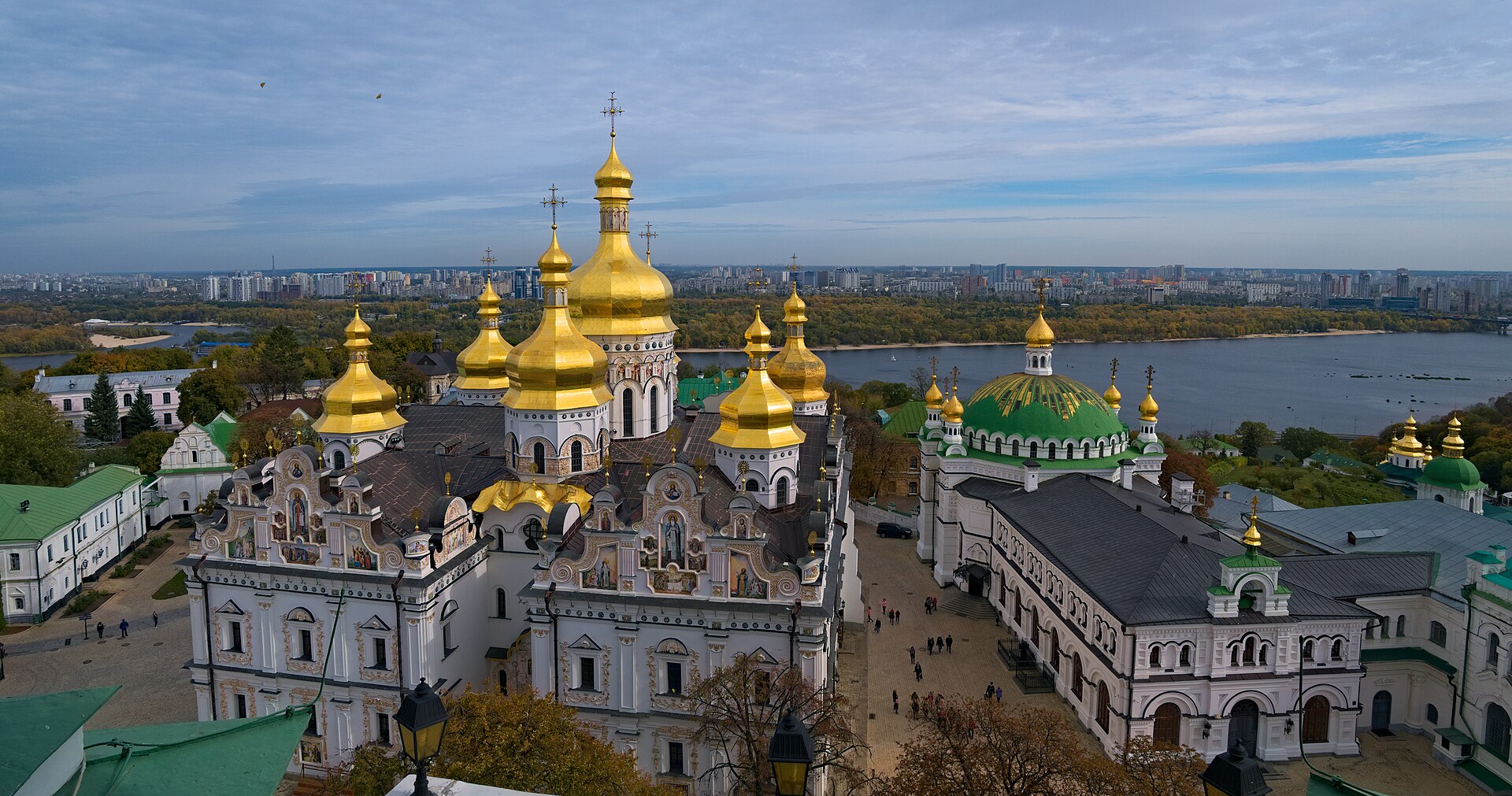
The Pechersk Lavra, or Monastery of the Caves, sits on a hill overlooking the Dnipro River in Kyiv's historic Pechersk district. Founded in the eleventh century, it is one of the most important religious and cultural sites in Eastern Orthodox Christianity and a UNESCO World Heritage property. The Dormition cathedral, now partially damaged by fire, was itself rebuilt during the Soviet era after being destroyed in 1941 — though historians continue to debate whether Soviet or German forces were responsible. This cycle of destruction and rebuilding is not incidental to the story; it explains why the site carries such weight for Ukrainians and for international cultural preservation organizations.
The question of who controls the Lavra has been contentious since Russia's full-scale invasion began. Ukrainian authorities moved to remove the Ukrainian Orthodox Church of the Moscow Patriarchate from parts of the complex in 2022 and 2023, as part of a broader effort to restructure Ukraine's religious institutions. Moscow characterized these actions as persecution. The missile strike now falls on territory already divided by identity and control disputes, interweaving military and cultural conflict.
International law does offer protection to cultural heritage sites. The 1954 Hague Convention and its protocols designate UNESCO World Heritage properties as protected targets in warfare. Yet the enforcement mechanisms are weak and depend on political consensus at the UN Security Council — where Russia holds permanent veto power. Recording details of the strike will matter for potential future legal proceedings, but the practical legal route to accountability is narrow.
Open-source intelligence analysts and Ukrainian air defense officials are still piecing together what happened on June 14. Large coordinated strikes on Kyiv typically combine ballistic missiles, cruise missiles, and Shahed-series drones in successive waves, designed to overwhelm air defense systems and force defenders to choose which targets to prioritize. When such coordinated attacks hit residential and historic areas, civilian casualties and damage spread across the city, making both rescue operations and full damage assessment more difficult.
International attention will matter in the coming days. Strikes on UNESCO sites have previously prompted diplomatic statements from France and the European Union and brought the UN Security Council to the table, but they have not changed how either side conducts operations. Damage to cultural heritage has become a documented feature of this war. Whether the Pechersk Lavra's prominence will trigger any new legal or diplomatic steps is a question the immediate aftermath will begin to answer.