A Russian Strike Damages an 11th-Century Ukrainian Cathedral and Kills Dozens
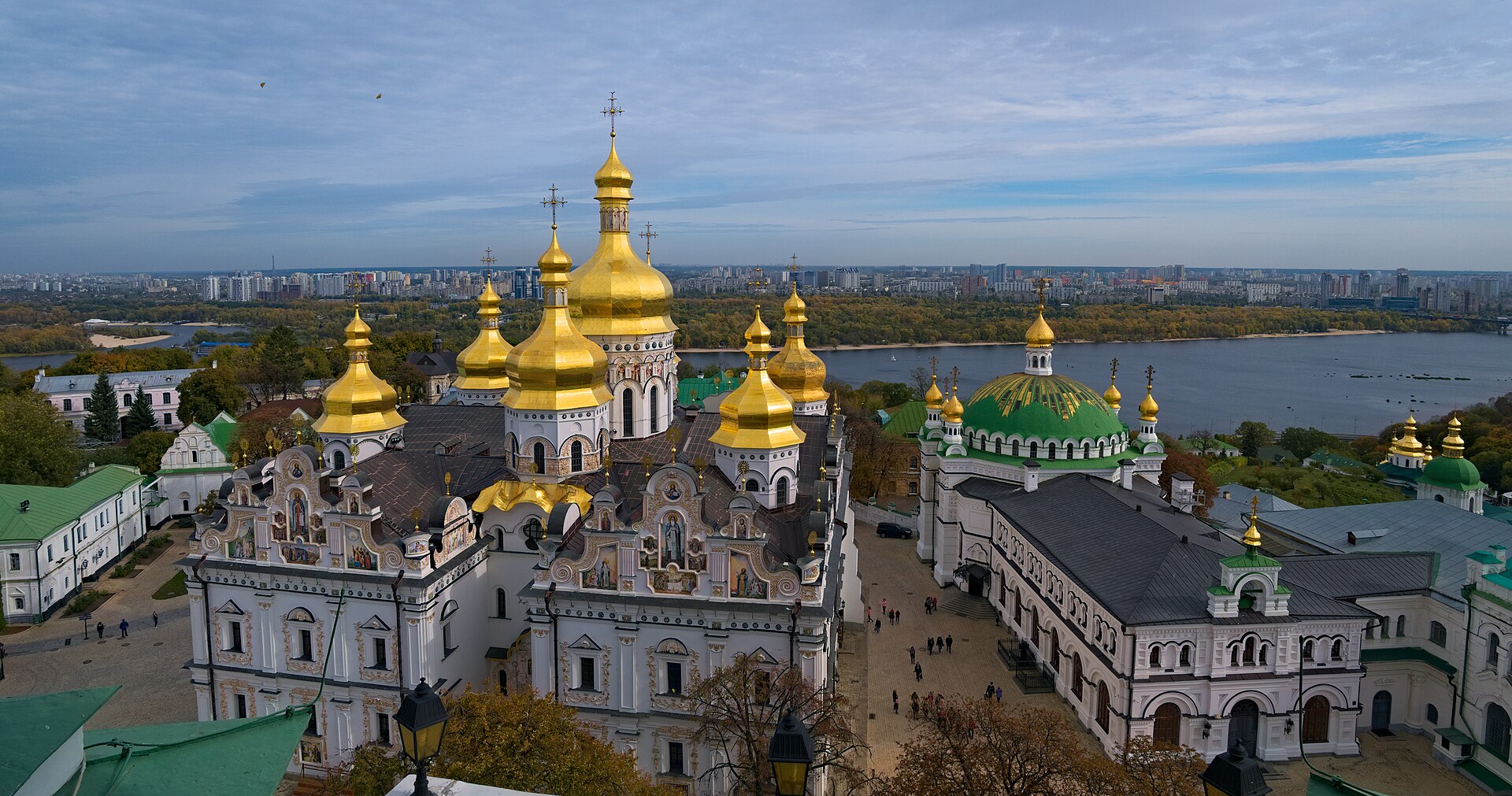
A Russian military strike on June 15, 2026 set fire to the Dormition Cathedral inside the Kyiv-Pechersk Lavra monastery complex, one of the oldest and most revered Orthodox Christian sites in the region, as part of a broader barrage across Ukraine's major cities that killed at least 11 people and wounded dozens more, including children.
AP News reports five confirmed deaths in Kyiv alone, with Mayor Vitali Klitschko stating the city had at least 30 wounded. The Times of Israel notes the attacks struck Ukraine's largest cities simultaneously, a pattern consistent with Russian military doctrine: massed strikes designed to overwhelm air defenses and inflict both physical and psychological damage.
The Lavra's History and Significance
The Dormition Cathedral dates back to the 11th century, built during the era of Kyivan Rus—the medieval East Slavic federation from which modern Ukraine, Russia, and Belarus trace their roots. Reuters details the structure's journey: constructed under Prince Yaroslav the Wise, destroyed by Mongol forces in 1240, rebuilt in subsequent centuries, and then demolished by Soviet authorities in 1941. Moscow initially blamed retreating German troops, but Soviet-era documents later confirmed it was a deliberate Soviet action. Ukraine's post-independence government rebuilt and reconsecrated the cathedral in 2000. For Ukrainians, a structure that survived Soviet repression only to sustain damage in 2026 carries deep symbolic weight.
The Kyiv-Pechersk Lavra — the name means "Monastery of the Caves" — sits on a bluff overlooking the Dnipro River and became a UNESCO World Heritage Site in 1990. Ownership of the complex has been contested: starting in 2023, the Ukrainian government began transferring portions from the Russian Orthodox Church's Ukrainian branch to state control, a legal dispute that gave the site political importance even before this strike.
Competing Claims About What Caused the Damage
Russia has denied direct responsibility. Reuters reports Moscow claims the fire resulted from a Patriot air defense missile — an interceptor from Ukraine's own defensive systems — not a Russian weapon. This claim cannot be independently verified from public sources, and Russia has made similar statements after previous strikes on civilian sites throughout the war. Ukrainian and Western officials have consistently disputed such claims in past incidents.
The Patriot explanation is not physically impossible: air defense missiles that miss their targets can fall back to earth and ignite fires or damage structures. Both sides have acknowledged such incidents during the conflict. Whether that scenario occurred on June 15 would require technical forensic analysis, which has not yet been released publicly.
The Wider Attack and Its Implications
The June 15 barrage extended beyond Kyiv to Kharkiv and other cities, per AP reporting. The scale and simultaneous targeting fit Russia's pattern of large-scale drone and missile strikes conducted periodically since 2022. Analysts have sometimes tied such operations to moments of diplomatic pressure or Ukrainian military gains, though no specific tactical reason for the June 15 timing has been confirmed in available reporting.
With at least 11 confirmed dead and dozens wounded across the country, this ranks among the deadlier single-day strikes in recent months, pending final casualty figures.
Damage to heritage sites carries weight beyond ordinary infrastructure. The Dormition Cathedral falls under the 1954 Hague Convention for the Protection of Cultural Property in Armed Conflict, to which both Russia and Ukraine are signatories. The International Criminal Court is conducting investigations into the Ukraine conflict, and documented strikes on protected sites have been cited in war crimes cases. The evidence from June 15 will almost certainly be preserved for potential future proceedings, whatever the war's outcome.


