Nepal-Tibet Border Floods: A Growing Disaster and the Infrastructure Crisis Behind It
Flash floods along the Nepal-Tibet border have killed at least 359 people in Nepal alone, with the combined death toll across Nepal and Tibet surpassing 390. More than 1,400 people remain missing as rescue teams search through mud and debris on August 27, 2026. The disaster, which struck the border area near China's Tibet region, has stranded an estimated quarter of a million Nepalis after floodwaters erased more than 25 miles of roads and washed away 40 suspension bridges, according to reporting from Dhunche, Nepal New York Times.
The scale of the catastrophe has grown sharply over successive days of reporting. On August 26, the death toll stood at 157 bodies recovered, with hundreds missing Reuters. By August 27, Reuters reported at least 359 dead in Nepal with nearly 1,000 missing, while AP placed the combined toll across Nepal and Tibet at over 390 killed and more than 1,400 missing Reuters. AFP reported the death toll nearing 400 with rescue operations continuing on Thursday.
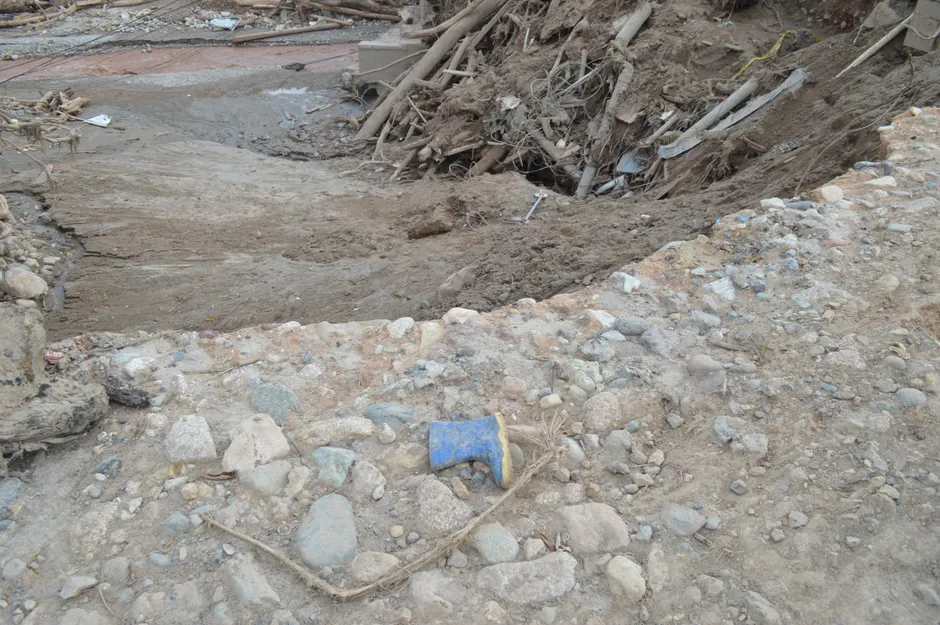
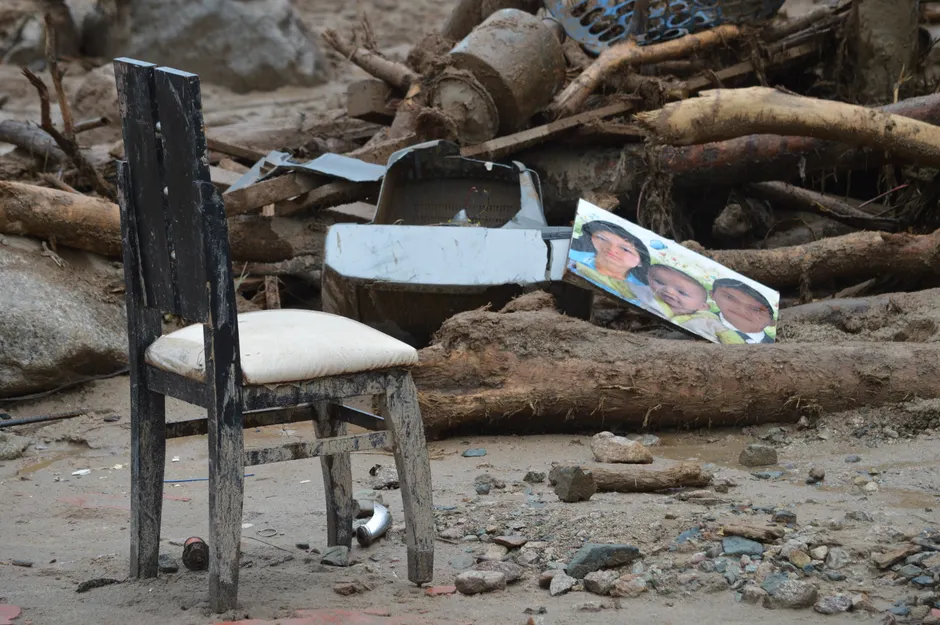
The flood itself was a violent torrent of rock, ice, trees, mud, and water that smashed through buildings and swept away buses in affected communities. Entire villages along the border were hit. Rescue teams have been wading through mud searching for survivors, and the Nepal Police confirmed that eight bodies were found and 24 people were rescued from different locations, according to police spokesman Abi Narayan Kafle New York Times. Many of those missing are tourists, according to earlier reporting New York Times.
On the ground in Dhunche, journalists Anupreeta Das and Atul Loke visited the Nepal Army's search-and-rescue base and flew on an army helicopter to assess flood damage firsthand New York Times. Their reporting from Dhunche documented 1,400 people missing, a figure consistent across multiple agencies. The physical destruction is staggering: 25 miles of road simply gone, 40 suspension bridges destroyed. In a mountainous region where suspension bridges are often the sole links between settlements, their loss means that communities are not merely inconvenienced but cut off entirely from food, medical care, and evacuation routes.
The casualty figures have evolved rapidly across reporting cycles. Early counts on August 26 placed the dead at eight, then 157, then 165 per Al Jazeera's count Al Jazeera. By August 27, AP reported at least 160 killed AP, while Reuters and AFP both placed the toll in the high 300s to near 400. These discrepancies are likely a function of the difficulty of confirming deaths across a disaster zone spanning an international border, where communication infrastructure has been destroyed and access is limited to helicopter and foot.
The composition of the floodwaters — rock and ice alongside mud and water — is consistent with the kind of high-mountain flood events that have increasingly affected the Himalayan region. These events can be triggered by glacial collapses or by landslides that dam river courses, releasing enormous volumes of debris-laden water downstream with little warning. AP's reporting linked the disaster to climate change dynamics in the region AP.
The broader context here is the mounting humanitarian and logistical challenge facing Nepal's government and international rescue partners. With a quarter of a million people stranded, 40 bridges destroyed, and 25 miles of road erased, the disaster is as much an infrastructure crisis as a search-and-rescue operation. Nepal's mountainous terrain makes helicopter access the primary means of reaching cut-off communities, and the Nepal Army's Dhunche base is functioning as the operational hub. The number of missing, exceeding 1,400, means that the death toll is likely to climb substantially as search teams reach areas still inaccessible.
For international observers and humanitarian agencies, the critical variables to watch are the rate at which the missing are accounted for, the restoration of road and bridge access to stranded populations, and the capacity of the Nepal Army's aviation assets to sustain search-and-rescue operations across a widening geographic zone. The tourist presence among the missing adds a diplomatic dimension, as foreign governments will be pressing Nepal for information on their nationals.