First Missing Australian Confirmed Safe After Catastrophic Nepal-China Border Floods

Cara Severino, a 25-year-old Australian, contacted her family on the morning of August 28 — more than two days after she was reported missing in catastrophic flash flooding along the China-Nepal border. She is the first of 39 Australians reported missing in the disaster to be confirmed safe. The Guardian
Severino's parents, Debbie and Frank Severino, said her mobile phone battery had died and she had no network reception in the disaster zone. She managed to call them from Gosainkunda, a high-altitude site along a pilgrimage route, where she had arrived with a group of Nepali hikers. She is now attempting to reach Kathmandu on foot, a trek of more than 110 kilometres from the flood-affected area. The Guardian
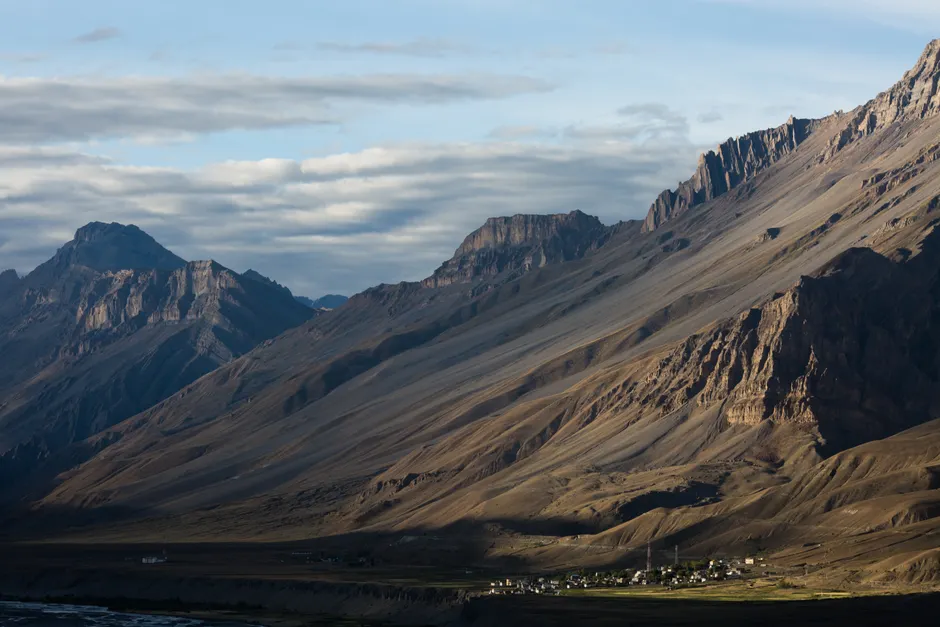
Severino had been hiking the Langtang trek when the flood struck. The Langtang Valley, north of Kathmandu and close to the Tibetan border, is among Nepal's most popular trekking routes and was heavily exposed to the flash flooding that devastated villages in the region on Wednesday. Of the 35 missing Australians whose details were released by Nepali police, Severino was the only one not listed as travelling with a tour agency — a distinction that complicated initial efforts to trace her movements. The Guardian
After Severino's call, 38 Australians remained unaccounted for. WAtoday The discrepancy between the figure of 35 and the total of 39 reflects the evolving count as Nepali authorities and Australian consular officials continued reconciling missing-persons lists. Nepal's Tourism Board had reported 35 Australians missing, revising upward from a previous figure of 34. Nine News
Australia's Minister for International Development and the Pacific, Matt Thistlethwaite, said DFAT (the Department of Foreign Affairs and Trade, Australia's diplomatic corps) staff were liaising with authorities in Kathmandu to locate the missing Australians and that Canberra planned to deploy an emergency response team. The Guardian
The scale of the disaster extends far beyond the Australian cohort. At least 469 people have been killed and more than 1,500 are missing after the flash flood hit the China-Nepal border on Wednesday, according to the most recent reporting. The Guardian Earlier figures from the ABC put the death toll at 392 with nearly 1,500 missing, reflecting the rapid escalation of casualty counts in the first 48 hours. ABC News Records from Nepali trekking and travel companies identified 644 people unaccounted for in the immediate aftermath of the disaster. SBS News
The varying casualty figures, drawn from different sources at different points in a fast-moving crisis, illustrate the difficulty of establishing a definitive picture when communications infrastructure has been destroyed and affected areas remain largely inaccessible. The death toll rose by 77 between the ABC's August 26 reporting and The Guardian's August 28 update, a pace that suggests the full extent of casualties may not yet be known.
Several factors complicate the search and accounting effort. The Langtang region's terrain is rugged and remote, with limited road access even under normal conditions. Flash flooding in high-altitude valleys can sever trails, destroy bridges, and cut off entire communities for extended periods. Independent trekkers like Severino, who are not registered with a tour agency, are harder to track because their itineraries are not filed with local authorities, unlike those travelling through organised operators. The fact that Severino was the sole unaccompanied Australian among the missing draws attention to the additional risk borne by independent travellers in regions where registration systems serve as a critical safety net.
The broader context here is that Severino's survival, while a relief to her family, leaves dozens of Australian families and hundreds of Nepali and other foreign families still awaiting word. The 110-kilometre trek to Kathmandu that she and her companions are undertaking on foot is itself a measure of how thoroughly the disaster has disrupted normal transit routes. With 38 Australians still unaccounted for and DFAT's emergency team not yet on the ground, the coming days will be critical for those still stranded in the flood zone.