Himalayan Flash Floods Leave Nearly 3,000 Missing Across Nepal and Tibet
Nearly 3,000 people remained missing across Nepal and Tibet on the morning of 29 August 2026, four days after Himalayan flash floods tore through river valleys on both sides of the border, killing at least 669 in Nepal alone and wiping entire villages off the map. The combined toll across the two countries makes this one of the deadliest rapid-onset disasters to strike the region in recent memory, with search-and-rescue operations still hampered by terrain that in many places is reachable only by military helicopter.
The most recent figures, reported on 29 August, place the missing at approximately 2,426 in Nepal and at least 554 in Tibet's Gyirong County, with at least 540 of the total being foreign nationals Reuters. Nepal has recovered 669 bodies from the floods as of that date, according to The Guardian. Some victims' bodies were carried so far downstream that they were recovered across the border in neighbouring India.
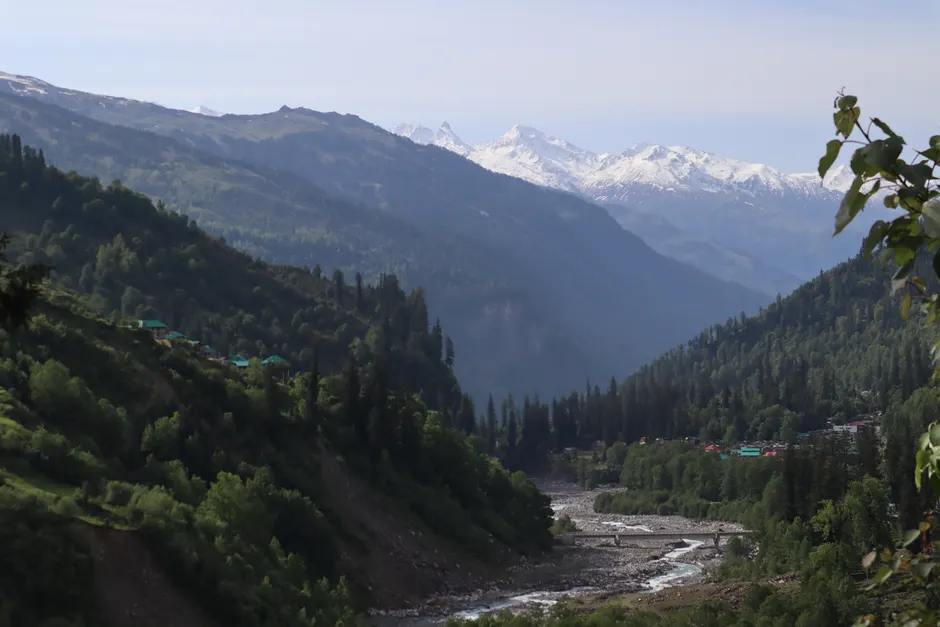
The disaster spans two countries but a single river system. In Tibet, China's state-run Xinhua News Agency attributed mudslides to a glacial collapse that left three dead and 558 missing as of 27 August, as reported by NPR and Reuters. The flooding surge travelled downstream into Nepal along the Bhote Koshi (also transliterated Bhotekoshi) river, a transboundary watercourse originating on the Tibetan plateau and flowing south through some of Nepal's most rugged terrain. Radio Nepal reported that 384 tourists lost contact during the Bhotekoshi flood and that 2,381 people, including 644 foreign nationals, remained missing in that event alone.
Earlier figures from 27 August, when Reuters reported at least 359 dead and nearly 1,000 missing in Nepal with at least 700 foreign tourists unaccounted for, show how rapidly the scale of the disaster has expanded over a 48-hour window. China's official tally for Gyirong County, reported by Xinhua at 558 missing, aligns with the figure used in Reuters' 29 August reporting of "at least 554" in Tibet.
On the ground in Nepal, the operational and humanitarian picture is grim. In Chitwan, morgues were overrun by the volume of bodies and a makeshift building was pressed into service to house the dead. At Tribhuvan University teaching hospital in Kathmandu, relatives crowded around a police desk to register the names of missing family members, four days after the disaster struck. Among them was Tulmaya Tamang, 36, who arrived carrying posters of 12 missing family members, including her five-month-old niece. Monita Nepali, 22, had spoken to her husband Vishal Nepali, 30, an hour before the floods hit while he was on a morning walk in Rusawa district; he has not been heard from since.
The village of Jaydada in Rusawa district was entirely washed away. Yavraj Lama, a resident, reported his sister, her husband, and their two children among the missing. Radio Nepal reported 177 bodies recovered in the Rasuwa flood as of 27 August, confirming that multiple river valleys were affected simultaneously across central Nepal.
Nepal's government has begun mobilising international assistance. The Ministry of Foreign Affairs published updates on 27 August that included notice of an Emergency Control Room established to assist foreign nationals affected by the Bhote Koshi flash flood. Nepal's embassy in Malaysia issued a public appeal for financial assistance to those affected by the August floods and landslides. The NDRRMA daily disaster bulletin for 23 August, published before the full scale of the flooding became apparent, reported two children killed by snakebites and 20 injured in various disaster incidents, a reminder that secondary hazards add to the toll even as the primary search continues.
The broader context here matters for understanding why the death and missing counts may continue to rise. Himalayan flash floods, particularly those linked to glacial collapse or GLOF (glacial lake outburst flood) events, move with extreme speed and carry enormous sediment loads, which means downstream communities often have minutes rather than hours to evacuate. A GLOF occurs when a glacial lake, dammed by ice or rock, bursts through its barrier, releasing a wall of water downstream. The Bhote Koshi corridor is densely populated in stretches and is a major trekking and tourism route, which explains the high proportion of foreign nationals among the missing. Nepal's mountainous topography means that many affected areas remain reachable only by helicopter, constraining both body recovery and survivor evacuation. The fact that bodies are surfacing in India indicates the river system carried victims dozens of kilometres downstream, expanding the geographic footprint of the search well beyond the initial impact zones.
For regional governments, the disaster raises familiar but urgent questions about transboundary early-warning systems along shared Himalayan river basins. China and Nepal share several major watercourses, and the speed with which a glacial event on the Tibetan plateau translated into mass casualties in central Nepal points to gaps in cross-border flood alerting infrastructure. Nepal's foreign minister indicated on 29 August that the country needs assistance in technical areas rather than in search and rescue per se, a signal that the operational bottleneck may now lie in forensic identification, telecommunications restoration, and geotechnical assessment of further risk along destabilised valley walls.
The 540-plus foreigners among the missing will place consular and diplomatic pressure on multiple governments, particularly those whose nationals were trekking or working in the affected corridors. Nepal's Emergency Control Room and the embassy-level appeals for financial assistance suggest the government is positioning for a sustained recovery phase even as the search continues.
How many of the nearly 3,000 missing will eventually be found alive is a question the terrain may answer before the statistics do. In remote Himalayan valleys, where rivers can carry bodies across international borders and villages can vanish entirely, the gap between "missing" and "confirmed dead" often narrows with time rather than widening.