Anker's SleepLab Uses Radar to Track Sleep Without a Wearable
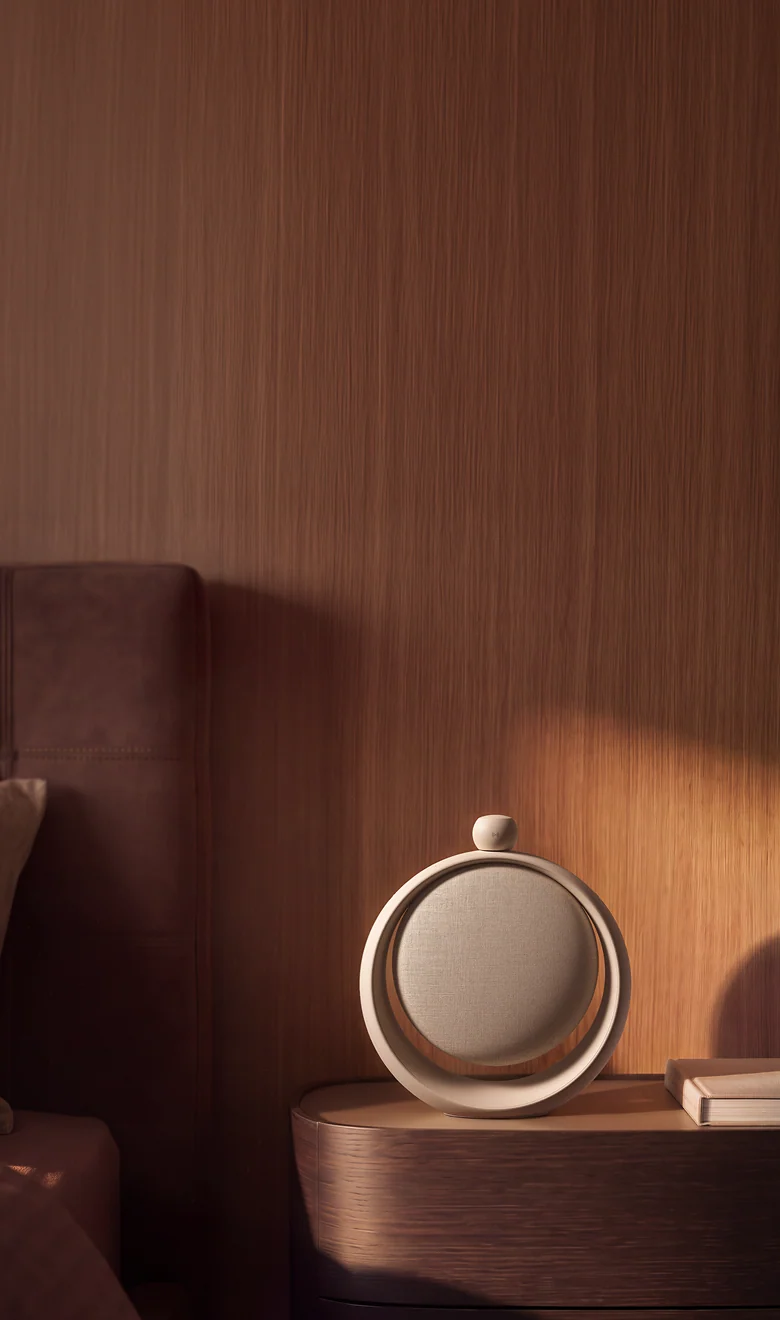
Anker has introduced the SleepLab, a sleep-tracking speaker that uses 60GHz millimeter-wave radar to monitor heart rate and breathing from a nightstand, eliminating the need for a wrist-worn device. Announced on September 3, 2026, the speaker comes in two configurations: a Pro model with radar sensing at $269.99, and a version without radar at $169.99. Reservations are open for $1 through the Soundcore website. The Verge
The radar operates at 60GHz, a frequency band increasingly used in short-range sensing applications. From its nightstand position, the SleepLab detects tiny movements in the chest and body, deriving continuous heart rate and respiration data without physical contact with the user. This is contactless physiological monitoring, not the photoplethysmography (PPG) approach used in most wearables, which uses light to measure blood flow at the wrist. The radar approach sidesteps the compliance problems that make wrist-based tracking unreliable for people who remove devices overnight. The Verge
Beyond passive sensing, the SleepLab intervenes actively. It uses binaural beats (auditory tones at slightly different frequencies per ear, thought to influence brainwave states) and integrated lighting to deepen relaxation progressively. Over the course of a month, the device correlates these routines against the sleep metrics it collects, determining which combinations of audio and light produce the most rest for the individual user. That closed-loop design, measuring the outcome of its own interventions and adjusting accordingly, is the product's differentiating claim. The Verge
Operationally, the SleepLab runs independently of a phone. A single button activates it. Bluetooth streaming is supported for users who want to play their own audio. No paid subscription is required for the sleep-tracking or routine-optimization features, a notable design choice in a consumer health category where recurring revenue models have become common. The Verge
The $100 price gap between the radar-equipped Pro and the standard model is effectively the cost of the mmWave sensing module. Buyers who already use a wearable for overnight heart-rate and respiration data, or who do not want physiological tracking at all, can opt for the speaker and its sleep-routine features without paying for hardware they will not use.
The contactless radar approach addresses a real friction point in sleep technology. Anyone who has used a smartwatch for sleep tracking knows the tradeoff: the device must stay on the wrist all night, which itself can disrupt sleep, and a meaningful share of users simply remove the device before bed. A nightstand sensor sidesteps that entirely. The question is whether 60GHz radar from a nightstand distance, likely one to two meters from the torso, can deliver heart-rate accuracy comparable to PPG or the ballistocardiography (a method that measures the body's mechanical response to heartbeat, used in some sleep mats). Anker has not published accuracy data, and the product's real-world performance will depend on body position, bedding materials, and the radar's ability to separate respiratory motion from ambient movement.
The closed-loop optimization also raises a measurement-validity question worth flagging. The SleepLab uses its own radar-derived metrics as the ground truth for evaluating which routines work best. If the radar data is noisy or systematically biased for a given user, the optimization loop optimizes against an inaccurate signal. This is a common problem in self-measuring systems, and it bears watching as independent reviews emerge.
The no-subscription model is straightforwardly consumer-friendly. It also means Anker is betting on hardware margin alone, at $269.99 for the top tier, rather than the recurring data-services revenue that competitors in sleep health have pursued. Whether that holds as a business strategy depends on volume.
Contactless radar-based sleep sensing is not new in research settings, but it has been slow to reach consumer products at this price point. The SleepLab's combination of sensing, active intervention, and iterative optimization in a single device without a subscription or phone dependency is an ambitious integration. Whether it delivers on that ambition will come down to radar accuracy at nightstand range and whether the closed-loop routine optimization produces measurable sleep improvements over time. The Verge