Belkin's BoostSolid Cell Power Banks Bring Semi-Solid-State Batteries to Mainstream Shoppers
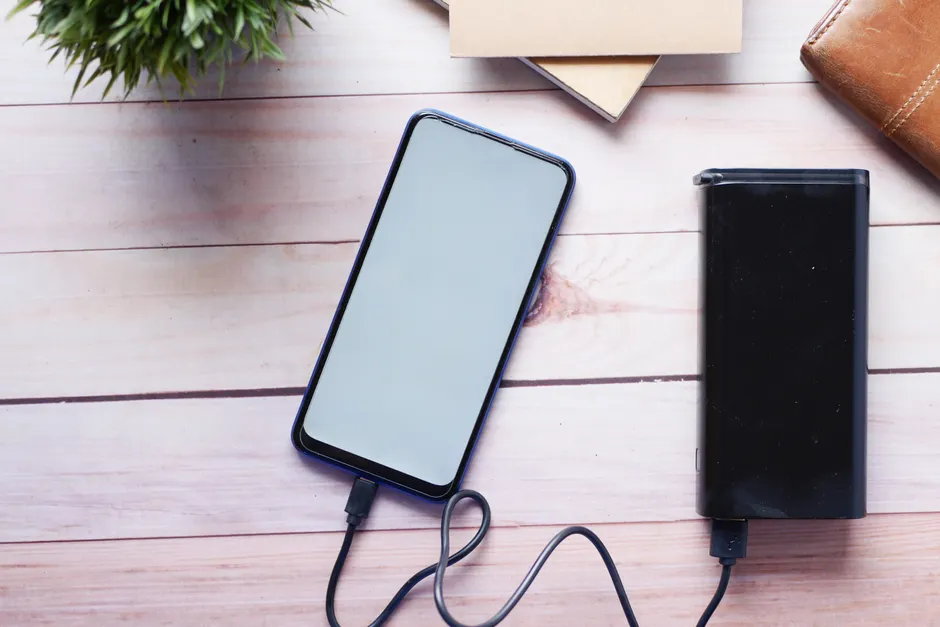
Belkin has introduced its first power banks using semi-solid-state battery technology, sold under the brand name BoostSolid Cell. The UltraCharge Pro lineup, announced September 3, 2026, includes two models: a slim 5,000mAh magnetic wireless charger and a larger 10,000mAh USB-C bank with a built-in display. Both cost more than conventional power banks with similar capacity. The Verge
Semi-solid-state batteries work by adding a gel-like layer alongside the liquid electrolyte found in standard lithium-ion cells. Think of it as a hybrid: the liquid still carries charge between the battery's electrodes, but the gel layer acts as a physical barrier that makes it harder for internal short circuits to spread and cause overheating. Belkin says this design reduces the risk of swelling and fires, maintains steady power output across a wider temperature range, and lasts up to three times longer than conventional power banks.
The UltraCharge Pro Slim Magnetic Power Bank 5K Qi2 15W is priced at $69.99. It magnetically snaps onto compatible phones and charges wirelessly at up to 15W using the Qi2 standard. Its USB-C port can deliver up to 22.5W when charging one device. With two devices connected, output splits to 5W wireless and 12W over USB-C. Belkin says the Slim is 40 percent thinner than other 5,000mAh power banks, crediting the higher energy density of the semi-solid-state cells for the smaller form factor.
The UltraCharge Pro Power Bank 10K 60W with BoostSolid Cell and Display costs $89.99. It delivers up to 60W over a single USB-C connection, enough to charge a laptop. When multiple devices are plugged in, power distributes across two USB-C ports and one USB-A port. A built-in display shows charge level, current power output, and internal temperature. Belkin says the 10K is slimmer than competing options at the same capacity, again pointing to the energy density of the semi-solid-state chemistry.
Belkin is not the first to sell semi-solid-state power banks. BMX, Kuxiu, and Zens already offer products using the technology. The category has been moving toward consumer readiness for several quarters, with gel-electrolyte and quasi-solid approaches appearing in small-format cells before reaching larger applications like electric vehicles. Belkin's entry matters because of its distribution scale: the company has surpassed 1 billion products sold worldwide and positions itself as the top wireless charging brand. BusinessWire
The central tension in this lineup is price. At $69.99 for 5,000mAh and $89.99 for 10,000mAh, both models cost meaningfully more than conventional lithium-ion alternatives with similar capacity and output. The value proposition rests on Belkin's durability and safety claims, which the company has not yet backed with independent test data in its announcement materials. Buyers are paying upfront for a projected longer service life and reduced thermal risk, benefits that only become apparent over time and under stress conditions most users will never encounter.
The safety angle is where semi-solid-state chemistry makes its strongest case. The gel layer in a hybrid electrolyte configuration physically slows the internal short-circuit propagation that drives thermal runaway in conventional lithium-ion cells. Whether that translates to a measurable reduction in real-world failure rates for small-format power banks, which already have relatively low incident rates compared to larger lithium-ion applications, is a question the industry has not yet answered with population-level data.
The UltraCharge Pro line also builds on features from Belkin's existing BoostCharge lineup. The Qi2 15W wireless output matches what Belkin already ships in its BoostCharge Slim Magnetic Power Bank series. The 60W USB-C output on the 10K model is a step up from the 20W and 22.5W outputs in earlier generations, putting it in range for laptop charging in a pocketable form factor. The integrated display showing temperature and power draw is a practical addition that gives users visibility into thermal behavior, which is precisely the variable semi-solid-state chemistry aims to control.
Belkin's broader product history includes a 65W, 20,000mAh laptop-capable power bank announced at CES 2025 and a BoostCharge Pro 3-Port Laptop Power Bank 20K priced at $89.99. The UltraCharge Pro 10K matches that price at half the capacity, with the difference accounted for by the semi-solid-state cells, the display, and the 60W output capability. BusinessWire
In my view, the UltraCharge Pro lineup is an early mainstream signal that semi-solid-state battery technology is moving from the laboratory into the consumer accessories channel. The chemistry is not yet fully solid-state; Belkin's hybrid gel-electrolyte approach is an intermediate step. But the fact that a high-volume accessory maker is willing to absorb a cost premium and pass it to consumers suggests confidence that the durability and safety narrative will resonate enough to justify the price. If the three-times-lifespan claim holds under independent testing, the total cost of ownership could shift in semi-solid-state's favor for users who cycle their power banks frequently. That is a significant "if," and one worth watching as third-party evaluations emerge.