Final Fantasy Resonance Brings HD-2D Art and Turn-Based Combat to the Franchise on October 22, 2026
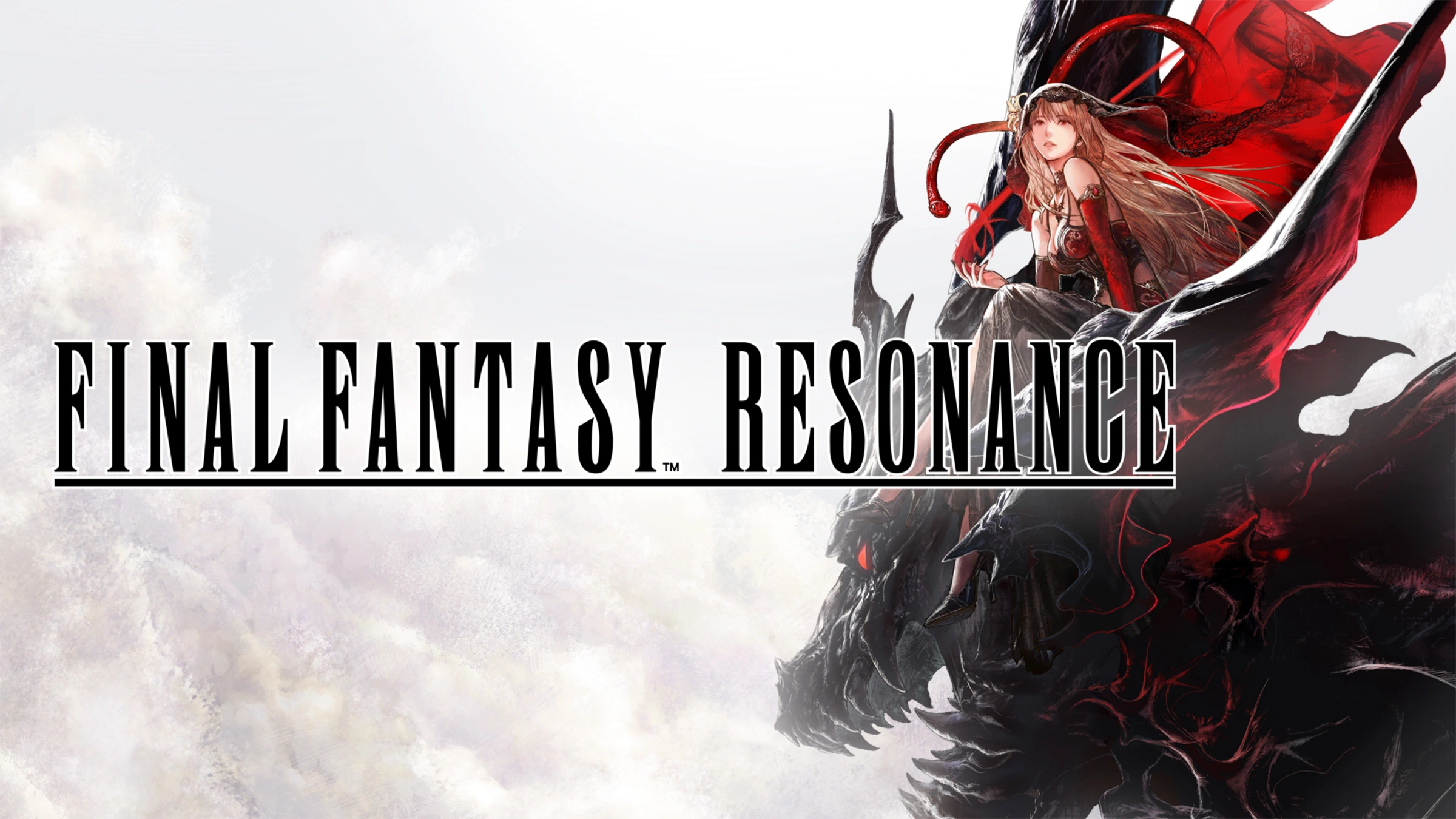
Square Enix's Final Fantasy Resonance, developed by LANCARSE Ltd., is set for release on October 22, 2026, across Steam (PC), Nintendo Switch, Nintendo Switch 2, and PlayStation 5. A Digital Deluxe Edition is available for pre-purchase on Steam at $59.99, with a Digital Deluxe Upgrade priced at $14.99 on Nintendo Switch 2 Steam store page Nintendo store page. Square Enix announced a playable demo during State of Play 2026 on September 3, 2026 IGN.
Resonance is the first entry in the franchise to adopt Square Enix's HD-2D art style — a technique that combines pixel-art character sprites with modern 3D lighting, depth-of-field effects, and environmental rendering. The publisher has used this approach in titles like Octopath Traveler. The game also features classic hand-drawn portraits for all its major characters Engadget.
The story is based on Brave Exvius, a mobile game from more than a decade ago. Plot, cutscenes, and other elements have been reworked and expanded for the standalone release. Engadget, which published a hands-on preview on September 3, 2026, based on a one-hour demo, described the result as "a love letter to classic 2D turn-based RPGs" Engadget.
The game marks Final Fantasy's return to turn-based combat, a shift that carries weight for a franchise whose recent mainline entries have leaned into real-time action systems GamesRadar. In turn-based combat, players and enemies take turns selecting actions rather than fighting in real time. Resonance introduces an all-new turn-based battle system built around two core mechanics.
The first is a Vision system that lets players junction — that is, attach as functional augments — classic Final Fantasy characters like Cloud, Tidus, or Zidane to the game's newcomers. Doing so grants access to signature moves and abilities, including Steal, Mug, and Limit Bursts. The second is the return of the stagger system from previous Final Fantasy titles, which adds a tactical layer by rewarding players for building up and exploiting enemy vulnerability windows Engadget.
Beyond combat, Resonance features a full overworld with towns, side quests, and transportation options that include Chocobos and airships — elements that sit firmly in the franchise's classic design tradition Engadget.
The Vision system is a notable design choice. By letting players attach established characters as functional augments rather than party members, it creates a bridge between Resonance's new cast and the broader franchise mythology. The mechanics it enables — Steal, Mug, Limit Bursts — are drawn from across multiple Final Fantasy generations, which suggests the system is aimed at long-tenured players who will recognize each ability's origin.
The broader context here is that Square Enix is simultaneously pursuing two strategies with the Final Fantasy brand. The mainline numbered entries have moved toward action combat and high-fidelity realism, while spin-offs and experimental titles like Resonance are being used to preserve and iterate on the turn-based design that defined the series for its first two decades. Applying HD-2D to Final Fantasy for the first time, and sourcing the narrative from a mobile title that many console players may never have encountered, positions Resonance as a relatively low-cost experiment in whether the franchise's classic formula still resonates with a contemporary audience.
For developers and industry observers, the game is also a data point in the HD-2D pipeline. LANCARSE Ltd. — a studio whose involvement is listed on the Steam store page — is handling development, with Square Enix as publisher. The art style has been tested across several releases now, and its application to a Final Fantasy title gives it the highest-profile platform it has had to date.
The October 22 release date places Resonance in the competitive holiday quarter. Whether the combination of a familiar art style, a reworked mobile-game narrative, and a return to turn-based mechanics will find its audience is a question the demo, now available, begins to answer.