Final Fantasy Resonance Moves a Mobile Story Into HD-2D

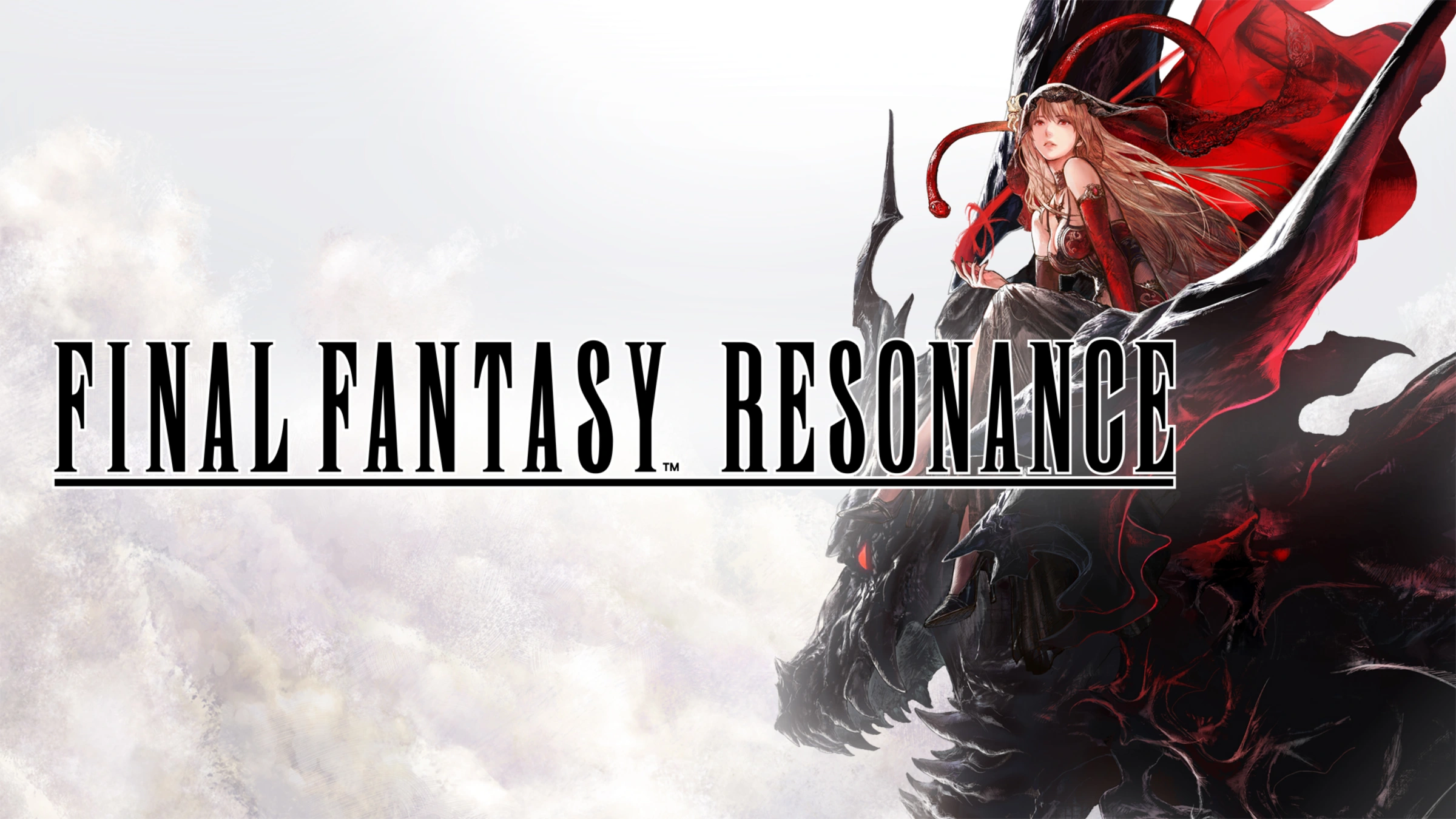
Final Fantasy Resonance is the first Final Fantasy game made in the HD-2D style. It takes the first story arc from Final Fantasy Brave Exvius, the mobile RPG shut down in 2024, and rebuilds it as a premium single-player game The Verge.
Players control Rain and Lasswell. A magical crystal has been destroyed. Their adventure centers on stopping the destruction of the remaining crystals.
Combat is traditional turn-based. Enemies have two linked meters, a health bar and a stagger bar. Hitting a weakness with magic and skills wears down the stagger bar, which opens a window for heavier damage. That cycle will be familiar to Octopath Traveler and Bravely Default players, with resource management and break timing shaping each fight rather than fast input.
The Vision system covers party growth and character builds. Players recruit Visions from across the series, including Terra Branford from Final Fantasy VI and Cloud Strife from Final Fantasy VII. Each character can equip one Vision. Equipping a Vision unlocks new battle moves, so Visions work both as returning favorites and as loadout changes that alter what a character can do.
Travel and dungeons follow current convenience standards. The world map allows fast travel to any place already visited. Inside dungeons, players can teleport from a save point near a boss fight back to the entrance. Those two systems cut repeat walking and recovery after a failed attempt without changing the underlying map layout.
Presentation uses pixelized 3D models with shifting camera angles Square Enix. HD-2D here means characters and tiles with detailed pixel work placed inside 3D settings with volumetric lighting, depth-of-field, and parallax layers. Series staples return intact. Airships, crystals, espers and moogles are all present Square Enix Store.
Availability covers PC and current Nintendo hardware. The game is available for pre-purchase on Steam. It is also listed for Nintendo Switch 2. The Square Enix store lists it from $49.99.
Review coverage started in Japan before the Western press cycle. Famitsu published the first review for Final Fantasy Resonance, as noted on Oct. 14 Nintendo Life. The Verge review followed on Oct. 20, 2026, providing the detailed breakdown of combat, Visions, and traversal cited above.
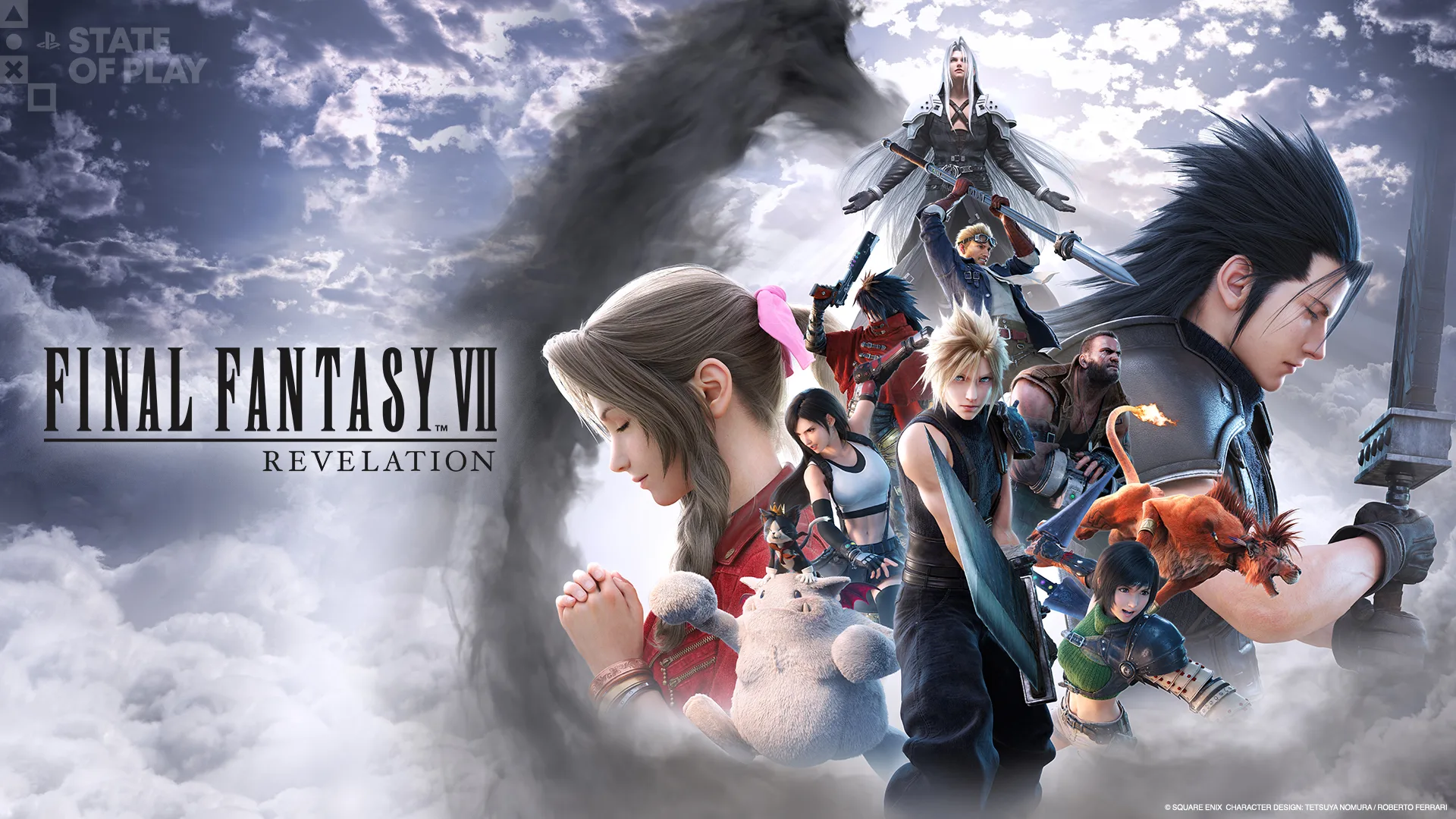
The release sits inside a crowded Square Enix schedule. Final Fantasy XIV launched for Nintendo Switch 2 on August 4, 2026, with Final Fantasy XIV: Evercold coming in January 2027. Final Fantasy VII Revelation launches on April 8, 2027. The catalog around Resonance also includes Dragon Quest I and II HD-2D Remake, released on October 30, 2025, Octopath Traveler 0, listed as out now on December 4, 2025, and Dissidia Duellum Final Fantasy, slated for iOS and Android in 2026 Square Enix.
The broader context here is reuse of existing material with lower risk. Mobile shutdowns usually leave story and art with nowhere to go. Square Enix is moving a complete, already-tested story arc into an engine family with established tools and audience expectations. That lowers content risk. Writers work from a locked plot. Designers work from known boss beats and character kits. Engineers work from a rendering pipeline proven across multiple HD-2D releases.
In my view, the design decisions count for more than the return of familiar faces. Stagger bars, weakness exploitation, and one-Vision-per-character loadouts set up limited choices where every slot matters. Fast travel and teleports near bosses cut wasted time without playing the game for you. For players who remember random encounters, no minimaps, and single-save dungeons, that trade keeps turn-based depth while dropping time costs that no longer help the design.
Worth flagging for enterprise and platform watchers, HD-2D keeps looking like practical shared technology rather than a short-term visual trend. It scales across Switch 2 and PC graphics hardware, keeps asset costs below full high-fidelity 3D, and still uses modern post-processing. Reviving Brave Exvius inside it gives former mobile players a clear path forward and gives HD-2D a Final Fantasy test. If it holds up over long sessions, expect more older story arcs to take the same route.