Australia Targets Social Media Algorithms With New Opt-Out Legislation

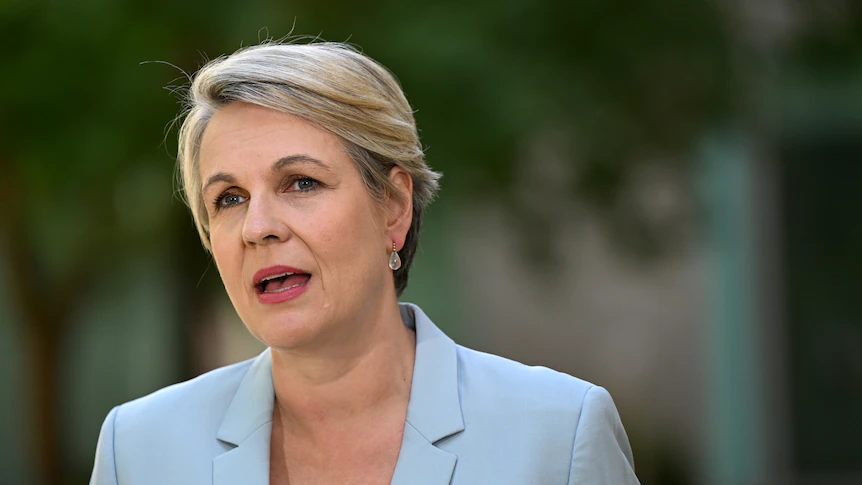
Australia's government plans to unveil draft legislation this week that would require social media platforms to let users turn off the recommender algorithms that shape their feeds. Communications Minister Anika Wells announced the proposal to ABC, with ABC first reporting the bill on September 6, 2026.
Recommender algorithms are the behind-the-scenes systems that decide what posts, videos, and ads appear in a user's feed, based on predictions about what will keep them scrolling. The government's move targets accusations that platforms like Meta use these systems to steer users toward sensational or extreme content to sustain engagement, as reported by Al Jazeera. Social Media Today reported on September 1 that the opt-out requirement is specifically aimed at addressing polarization. Under the draft laws, users could switch off these algorithms entirely, as detailed by The Conversation.
The bill goes beyond the opt-out mechanism. Wells said the legislation would require companies like Meta to undertake a "digital duty of care" — a legal obligation to actively tackle online harm. The legislative push builds on Australia's existing social media minimum age framework. In December 2025, Australia implemented a ban on under-16s accessing social media platforms, described as a world-first crackdown to protect children from online bullying and "predatory algorithms." Australia's updated minimum age rules, published March 27, 2026, define "age-restricted social media platforms" as services employing account-based recommender systems. The rules require those platforms to take reasonable steps to prevent Australians under 16 from holding accounts, per the Department of Infrastructure. The United Kingdom and France have since followed Australia in restricting social media access for under-16s.
Enforcement of the under-16 ban has faced practical challenges. A study of 408 adolescents found that 85% of Australians aged 12 to 15 were still using social media three months after the ban took effect, Reuters reported in June 2026. Data published in August found Australian children increasing their use of apps such as Instagram and TikTok despite the restriction. A parliamentary inquiry into the under-16 ban examined amendments to double maximum penalties to A$99 million, according to Reuters.
Wells signaled the broader trajectory in a June 30 doorstop in Canberra, noting growing momentum to address algorithmic harms beyond younger people, including opting out of algorithms. Opposition Leader Angus Taylor told ABC the Coalition had not seen the Labor government's bill and expressed skepticism that it could function as an attempt to censor social media. Proponents of legal opposition to the algorithm reforms have cited Article 10 (Freedom of Expression) and Article 8 (Privacy and Family Life) as potential legal grounds for challenge, as reported by 10 News First on September 2.
The broader context here is a regulatory frontier where age-gating and algorithmic transparency are converging into a single framework of platform accountability. Australia is attempting to move upstream from content moderation to the architectural logic of recommendation itself — treating the algorithm as a site of regulatory intervention rather than merely the content it surfaces. The dual track of imposing a duty of care alongside an opt-out mechanism suggests policymakers view algorithmic amplification as structurally linked to harm, not merely as a delivery vehicle for harmful third-party content.
If the opt-out model survives legislative drafting and potential legal challenges, it would establish a precedent that recommender systems are not proprietary trade secrets immune from consumer choice mandates but configurable defaults subject to state regulation. The enforcement gap revealed by the under-16 ban data, with 85% of surveyed 12-to-15-year-olds remaining active, raises questions about the state's capacity to compel platform compliance with structural mandates. Doubling penalties to A$99 million signals an intent to escalate enforcement costs, but the persistence of underage access suggests that detection and prevention remain technically difficult for platforms whose account-based systems were not architected for hard age verification.
The legal citability of Articles 8 and 10 foreshadows potential human rights litigation that could test whether algorithmic opt-out constitutes interference with platform expression or user privacy, a framing that would move the debate from consumer protection into constitutional rights territory. How courts reconcile a mandated algorithm opt-out with freedom of expression arguments will shape whether this model becomes exportable to other jurisdictions or remains an Australian experiment.