Australia Proposes a Digital Duty of Care: What It Means for Platforms and Users

Australia's federal government has introduced proposed legislation called the digital duty of care, which would require online service providers to proactively identify and reduce safety risks on their platforms. The bill, announced on September 8, 2026, under the banner "My Feed, My Way," would also give users the right to turn off algorithmic content recommendations and could penalize non-compliant platforms with fines of up to A$109.2 million ($78.6 million).
The proposal traces back to the Albanese government's November 2024 commitment to develop a duty of care model for digital platforms. Since then, the Department of Infrastructure published an issues paper in May 2026 after a public consultation process that began in late 2025. That paper formalized the government's intent to legislate a duty of care aimed at preventing serious online harms.
Under the proposed framework, the responsibility for managing online risks shifts from individual users to the platforms themselves. Rather than waiting for users to report problems after the fact, online service providers would need to systematically identify and mitigate safety risks built into their products. The legislation covers a wide range of services: social media platforms, age-restricted social media platforms, online games, apps, and AI services.
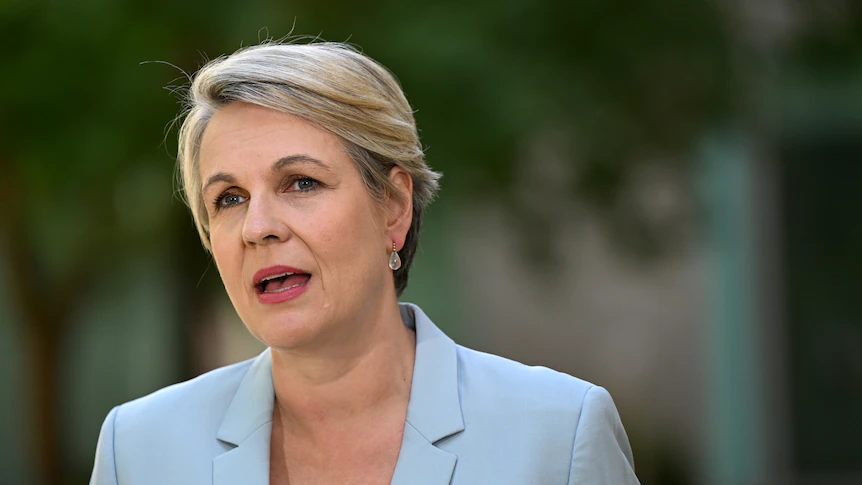
The most attention-grabbing element is the algorithm switch-off. Algorithms are the behind-the-scenes systems that decide what content shows up in your feed based on what you're likely to engage with. Under this proposal, Australians could choose to opt in or out of algorithmically recommended content on social media, giving them direct control over how their feeds are assembled. Senator Michelle Rowland, the Minister for Infrastructure, Transport, Regional Development and Communications, described the measure as a way to give users agency over their information environments, a direct challenge to the recommendation engines that major platforms use to keep people scrolling.
The legislation also builds on existing protections for young users. Amendments to the Online Safety Act already require age-restricted social media platforms to take reasonable steps to prevent Australians under 16 from holding accounts. The duty of care extends that protective logic into how platforms are designed and operated, not just who can access them.
Penalties for non-compliance could reach A$109.2 million, roughly $78.6 million, according to NPR. That figure places Australia's enforcement regime among the more financially significant globally, though how such penalties would be calculated and applied remains subject to the legislative process ahead.
The duty of care model draws on a framework where responsibility for managing online harms moves from individuals to the services that mediate them. This places Australia's approach alongside comparable international regimes, particularly the UK's Online Safety Act, which similarly imposes systemic duties of care on platforms. The distinctive feature of the Australian model is the algorithm switch-off, which goes beyond content moderation obligations to directly intervene in the recommendation systems that shape user experience.
The broader context here is that Australia has already moved aggressively on youth social media access through the under-16 account ban. The digital duty of care extends the government's regulatory reach from access controls into the architectural layer of platform design, covering AI services and online gaming alongside traditional social media. That means the obligations would apply not only to major social media platforms but to a substantially broader set of online service providers.
The legislation remains a proposal. It will face parliamentary scrutiny, industry consultation, and the standard legislative process before any provisions take effect. The compliance burden on platforms operating in Australia, particularly those offering algorithmically curated feeds, would be substantial if the bill passes in its current form. The algorithm switch-off requirement, in particular, would require platforms to build and maintain parallel, non-algorithmic content presentation systems for Australian users, a structural change with engineering, product, and commercial implications.
For the global technology sector, Australia's move adds another layer to an increasingly fragmented regulatory landscape. Platforms already navigating the EU's Digital Services Act, the UK's Online Safety Act, and various state-level U.S. proposals would need to design for yet another distinct compliance regime, one that uniquely mandates user control over the recommendation algorithms that drive engagement and, by extension, advertising revenue.