XREAL's Aura Glasses Mark Android XR's Developer-First Push

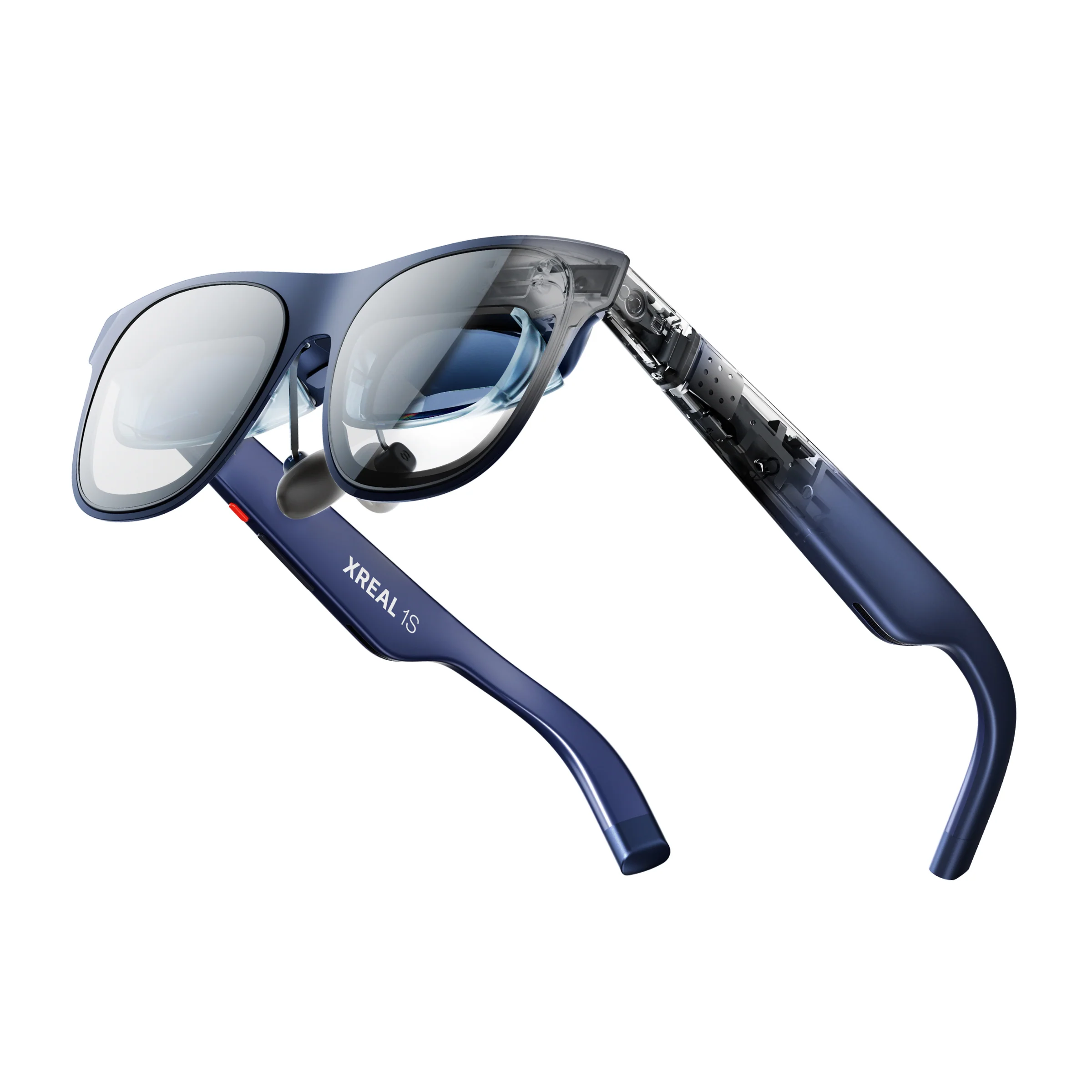
XREAL has opened reservations for Aura, its first tethered XR glasses built in partnership with Google for the Android XR platform, with a fall launch window and a US$99 reservation fee that converts to a $199 launch credit at purchase. PR Newswire
The hardware makes a deliberate architectural bet. Aura is built as a tethered device — the heavy computation happens on a connected phone or tablet, while the glasses themselves stay light and thin, containing only the optics and sensors needed to track head movement and render what you see. This trades the convenience of all-in-one processing for significant gains in form factor: the glasses feel less like a ski goggle and more like reading glasses with electronics inside. The 70-degree field of view is a meaningful improvement over XREAL's earlier Air-series glasses, which used narrower optics that constrained peripheral vision.
This design choice responds to one of XR hardware's persistent problems: weight and heat. Devices worn on the face for hours accumulate mass and thermal output quickly. By pushing heavy work to a tethered device, Aura stays closer to a traditional glasses silhouette, which matters for how people perceive it in public spaces — a concern that does not apply to gaming headsets used entirely indoors.
The tether itself does carry a tradeoff. Early PC-tethered VR headsets faced the same constraint before standalone chips became powerful and affordable enough. Whether Aura's wireless tether will feel like a genuine limitation to users, or a reasonable engineering compromise, remains an open question.
Google's role is substantial, not symbolic. Android XR is Google's formal entry into spatial computing — a software layer that standardizes how XR applications access cameras, depth sensors, head tracking, and AI services. By anchoring Aura to Android XR from launch, XREAL is betting that the developer community Google can mobilize will build the applications no single hardware vendor could fund alone. The $199 launch credit built into the reservation structure is a familiar tactic: lower the cost barrier for developers who want hardware in hand before retail release. Oculus deployed this strategy effectively with early Quest developer kits.
The fall 2026 window is a target, not a confirmation. XREAL has published hardware specs and opened reservations, but has not yet announced final retail pricing or a precise ship date. For developers assessing whether to build for this platform, SDK maturity — the quality and completeness of the development toolkit — will matter as much as the glasses themselves. A sharp optical system paired with an immature software toolkit produces a capable demo, not a shipping product.
The competitive landscape shapes what Aura is trying to be. Meta's Quest line dominates the accessible consumer end of XR, while Apple's Vision Pro established a high-end reference point at the other extreme. Android XR, with hardware partners like XREAL, is Google's strategy for the middle ground: an open platform where multiple manufacturers can build different form factors using familiar development tools. That three-part structure has given the market more coherence than it has had in years, though each player is still figuring out what its core use cases actually are.
The reservation-first, developer-first approach suggests XREAL and Google are sequencing this carefully: get hardware into skilled hands before broad consumer availability. That sequencing is sound. The Android XR application ecosystem will need meaningful depth before these glasses make sense for mainstream buyers.