Warning Shots in the English Channel: What a Russian Frigate's Encounter with a British Yacht Reveals

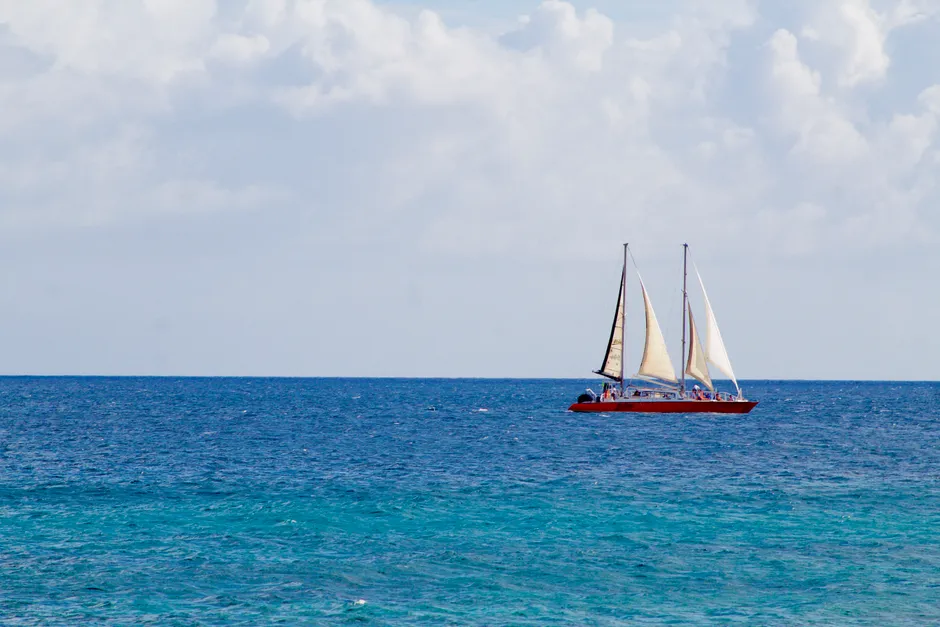
A Russian guided-missile frigate fired warning shots at a UK-registered yacht in the English Channel on 16 June 2026, an incident that brought immediate scrutiny from British authorities and NATO observers.
The Admiral Grigorovich, a Project 11356 frigate operating from Russia's Black Sea Fleet, was transiting through one of the world's most congested maritime corridors. According to Wikipedia's account, the frigate's crew first sounded horn blasts and fired flares before discharging small-arms fire — an escalation pattern consistent with standard naval interception procedures. Russia's Defense Ministry, as reported by PBS NewsHour, stated the shots were fired because the yacht failed to respond to repeated orders to change course.
The yacht's owners offered a contrasting account. Alan and Jane Kelvey, the British couple aboard, told GB News they had done nothing wrong and that the encounter lasted about ten minutes. They reported being deeply shocked. Their account does not clarify whether they received or acknowledged the frigate's prior warnings — a silence that sits squarely in the middle of the two competing narratives.
Under international maritime law (UNCLOS), the English Channel falls within the territorial seas and exclusive economic zones of the United Kingdom and France. All vessels, including warships, have the right of innocent passage through these waters. That right comes with limits: warships can issue warnings and, under their own rules of engagement, escalate if they judge a vessel's behavior non-compliant or threatening. Whether a civilian sailing yacht on routine passage could reasonably be seen as a threat to a frigate equipped with cruise missiles is a question that will likely shape diplomatic discussions.
The broader context here is substantial. Russian warships transit regularly between the North Sea and Atlantic — this is routine. But firing, even in warning, at a vessel registered to a NATO member state in waters near its own territory crosses into different legal and political territory. The UK had not publicly detailed its response as of 17 June 2026, but this type of incident typically triggers formal diplomatic protests and, depending on political tensions, could escalate further.
Russian-British relations have remained strained since the 2018 Salisbury poisonings and have not significantly improved. Earlier maritime confrontations — particularly the 2021 HMS Defender episode in the Black Sea — show a pattern: Russia issues a warning or fires; the UK or involved party disputes the account; verified facts emerge slowly. In that 2021 case, the UK denied Russia's claim to have fired warning shots at all. The current incident follows the same template: Moscow asserts non-compliance, civilians claim innocence, independent evidence remains thin.
What distinguishes this episode is the target. A Royal Navy destroyer carries trained crews, command systems, and strategic weight. A civilian yacht crewed by ordinary people carries none of those things. Firing warning shots at civilians — whatever the procedural justification — carries heavier public and legal significance, and that difference will likely influence how Britain frames its official response.
For naval specialists and maritime lawyers, the critical questions are concrete: What were the Admiral Grigorovich's exact position and the yacht's AIS tracking data at the moment of the incident? Did the frigate follow the international signaling rules (COLREGS Rule 34) before escalating to live fire? Under what orders was the frigate operating that permitted small-arms warning shots against a civilian vessel in a NATO-adjacent waterway? These answers will determine whether this resolves through quiet diplomacy or demands a formal institutional response.