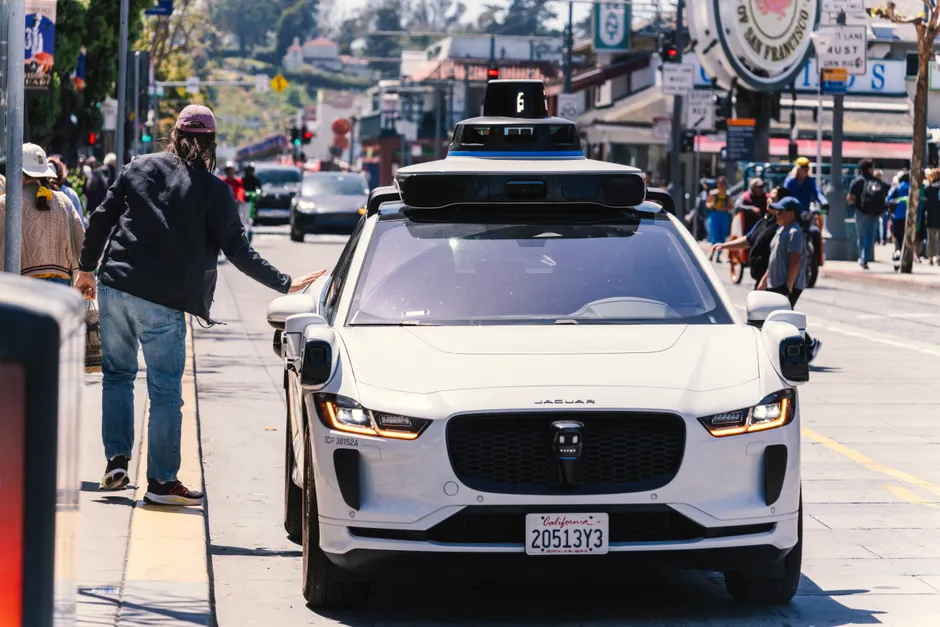
Waymo Opens Invite-Only Robotaxis in Las Vegas, Its 15th Market

Waymo began picking up members of the public in Las Vegas in September 2026 after receiving final approval from Nevada transportation regulators. The Alphabet-owned company said September 14, 2026 it will add public riders on a rolling basis. Las Vegas is its 15th commercial robotaxi market, as reported by TechCrunch.
Riders need an invite at launch. People must request an invite and receive an access code before they can book a ride. Waymo uses that step to manage early demand. It is the same staged start it used in 14 other cities, starting with limited riders and a limited area, then widening both.
Service starts with dozens of its new Ojai minivans, vans built for driverless ride-hailing. The starting area includes the Strip south of Highway 589 and extends into Boulder Junction. The fleet starts small, but the permit allows much more. Waymo is authorized to run up to 1,000 autonomous vehicles, meaning cars with no human driver, in Clark County over the next year. The approval comes from the Nevada Transportation Authority, which cleared three operators for commercial robotaxi service in Clark County, home to Las Vegas. Tesla is authorized to deploy up to 5,000 robotaxis there over the next year. Uber is authorized for up to 1,000 robotaxis through partnerships with Motional and Zoox.
The Las Vegas opening fits into a wider deployment schedule. Waymo operates robotaxi services in Austin, Dallas, Houston, Los Angeles, Miami, Nashville, Phoenix and the San Francisco Bay Area. It launched and then paused service in San Antonio. In early September 2026, it began offering rides to invited members of the public in Denver, San Diego and Tampa. The company has a fleet of more than 4,000 robotaxis spread across more than a dozen cities.
Tesla, Zoox and Motional are also planning commercial robotaxi services in Las Vegas. Uber and Motional already launched a commercial robotaxi service in Las Vegas in March 2026, with Las Vegas users able to hail a driverless electric vehicle in Uber's app at no extra cost through that tie-up, according to Reuters. The opening follows more than 10 months of public plans. Waymo said in November 2025 it would launch in Las Vegas, San Diego and Detroit the following year. In January 2026, alongside its Miami launch, it listed Las Vegas among additional 2026 markets including Dallas, Denver, Detroit, Houston, Orlando and San Antonio. In May 2026 it said it planned to gradually welcome more riders over the coming months and expand to Denver, Las Vegas and San Diego with the Ojai platform. On July 8, 2026, Waymo said it would soon begin driving fully autonomously without a human specialist behind the wheel in its four latest cities, including San Diego and Las Vegas, as noted by Waymo. On September 1, 2026, Zoox and Waymo separately announced expansions of driverless ride-hailing operations, according to Reuters.
The broader context here is that Las Vegas tests parallel scaling under different limits. Waymo and Uber each have room for 1,000 vehicles in Clark County for the next year. Tesla has five times that. The near-term questions are practical. How fast does Waymo move from dozens of Ojai vehicles to larger groups within that allowance. How quickly does the geofence, or set service boundary, expand beyond the initial Strip and Boulder Junction footprint. How does invite pacing track with depot capacity, vehicle availability and nighttime Strip demand. The invite code works less as a gate and more as a control for demand, similar to opening extra checkout lanes only when lines grow. Waymo is now onboarding Denver, San Diego, Tampa and Las Vegas in overlapping windows while sustaining eight established markets. That puts a premium on fleet assignment, software uniformity across the Ojai and existing vehicles, and consistent withdrawal of safety operators. Las Vegas adds a busy corridor with complex curb use, pedestrian flows and event peaks. If the playbook holds, coverage and eligibility should widen in steps, and what this enables is a repeatable template for entering regulated, multi-operator counties without pausing the rest of the network.