US Data Centers Could Burn More Gas Than Germany and Japan Combined by 2035
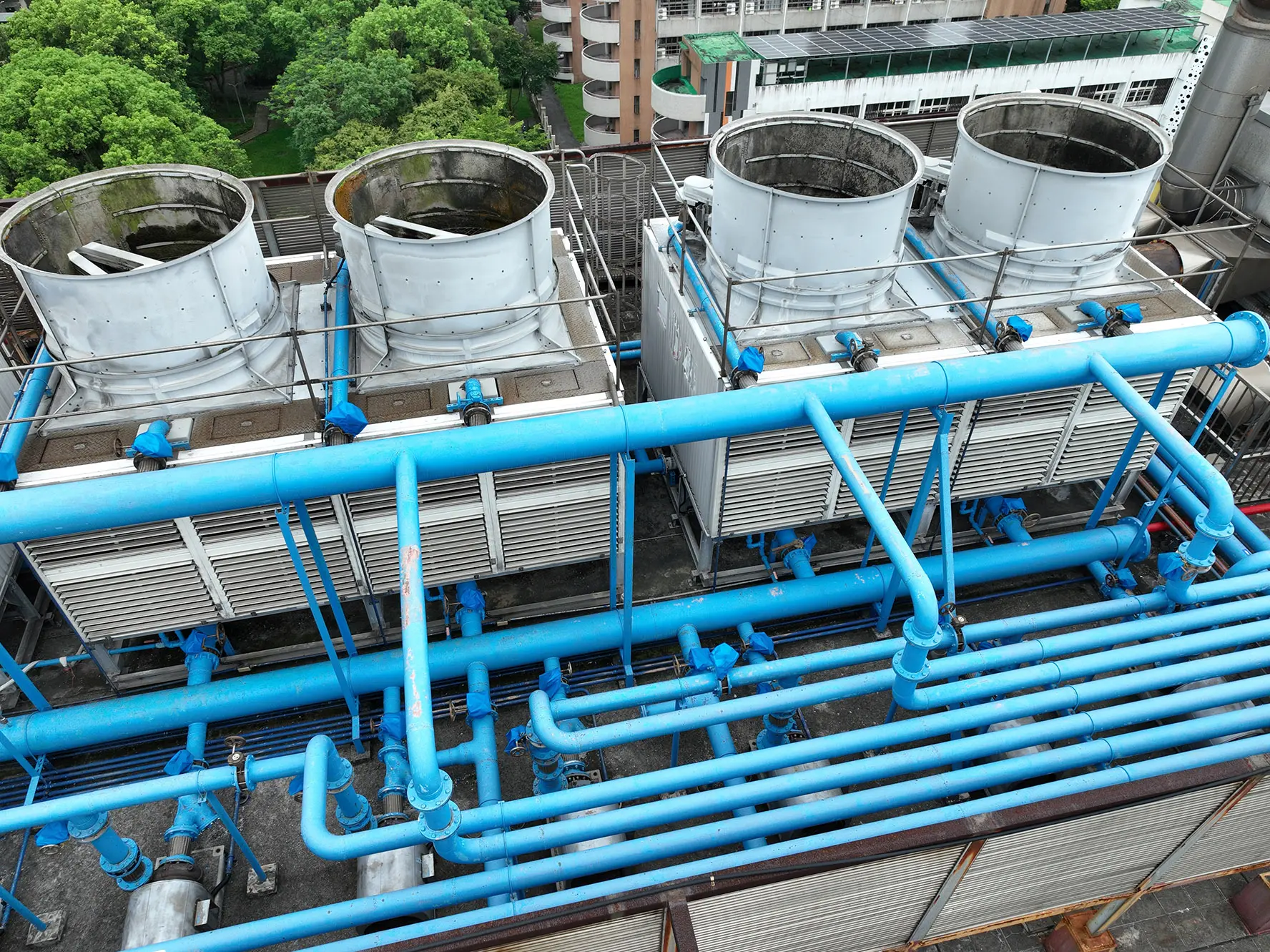
U.S. data centers could consume about 18 billion cubic feet per day of natural gas by 2035, more than Germany and Japan use combined.
That figure comes from a BloombergNEF report published on Sept. 15, 2026, as described by TechCrunch. It counts both gas burned in power plants that supply grid-connected data centers and gas burned onsite at data center campuses.
Data centers would be the second-largest source of growth in U.S. natural gas demand over the next decade, after LNG exports, which is gas cooled to liquid for shipment abroad. The latest forecast is nearly double the volume BloombergNEF predicted nine months earlier. The change reflects faster build schedules and larger interconnection queues, the waiting lists of projects seeking a grid connection.
The 18 billion cubic feet per day total divides into two ways of buying power. Onsite-powered projects, where turbines or fuel cells sit inside the property line and make electricity next to the servers, are expected to use 2.9 to 3.4 billion cubic feet per day by 2035. Grid-connected data centers, which draw power through the public grid, are predicted to drive an additional 15 billion cubic feet per day of gas use by the power sector by the middle of the next decade.
Growth in gas demand through 2035 from grid-connected data centers is five times more than growth from all other grid-connected sectors combined.
U.S. data centers will account for about 20% of the nation's electricity use in 2035, up from 5.9% today, according to Bloomberg reporting in July, cited via Bloomberg. The U.S. Energy Information Administration forecasts the strongest four-year growth in U.S. electricity demand since 2000, fueled by data centers, as noted by the EIA. Through 2050, the agency projects consumption will keep growing at 0.9% to 1.6% per year, with energy use by servers a major factor.
EIA analysts also expect effects on buildings. By 2050, as much as 7% of all U.S. commercial floorspace requires additional energy to meet data center demand across most building types.
Global numbers put the U.S. load in perspective. Global data center energy use could approach 1,050 TWh by 2026, according to an estimate cited by Brookings. Data centres' share of global electricity demand is projected to stay below 2% in 2035, according to the IEA. Natural gas and coal together are expected to meet over 40% of the additional electricity demand from data centres until 2030, with natural gas expanding by 175 TWh to meet growing demand.
Onsite gas is already part of that global picture. Around 15-27 GW of onsite natural gas capacity, a measure of power output, may power data centres by 2030, mostly in the United States. The U.S. path to 2.9 to 3.4 billion cubic feet per day for onsite projects by 2035 continues that trend and points to steady orders for medium-frame turbines, reciprocating engines and associated interconnection equipment.
On the supply side, Japanese trading house Mitsui is looking to invest in LNG projects across the Middle East, the U.S. and Australia to meet rising power demand from data centers, according to Reuters. On Aug. 28, 2026, Cheniere Energy completed its Corpus Christi Liquefaction Stage 3 Project in Texas and took custody and control of the seventh and last LNG train in that project.
The added natural gas demand from data centers will generate 1 million metric tons more greenhouse gas pollution daily.
The broader context here is speed of revision rather than direction. Load forecasters have raised data center estimates for three years, but a near doubling in nine months suggests filings for grid connections and plans for generation behind the fence are moving faster than utility integrated resource plans, the long-range supply plans utilities file with regulators. For operators, gas offers firm dispatch, meaning power available on demand, known permitting paths and delivery timelines that fit 2027 to 2029 start dates.
In my view, the tension to watch is not gas versus renewables in the abstract. It is firm capacity versus queue time. Grid-connected growth at five times all other sectors combined will test transformer supply, turbine backlogs and pipeline lateral capacity at the same time. Onsite systems ease the wait for a grid connection but move emissions accounting and air-permit review to the campus itself.
Worth flagging for enterprise architects, power buying is becoming a primary factor in site selection, alongside fiber, water and tax treatment. Contracts that lock in electricity and gas for 10 to 15 years will shape where inference capacity lands, the systems that run trained AI models to answer requests, and at what latency and cost. I covered similar constraint-driven siting during the cloud buildout, when tax and fiber maps decided regions, and power maps are now exerting the same pull.
Looking past the next few years, the long arc still points to more useful compute per unit of energy, and to grids that eventually absorb this load with cleaner mixes. The near term, however, will run substantially on gas.