Gaza Shelter Strike Kills Six as Ceasefire Counts Climb
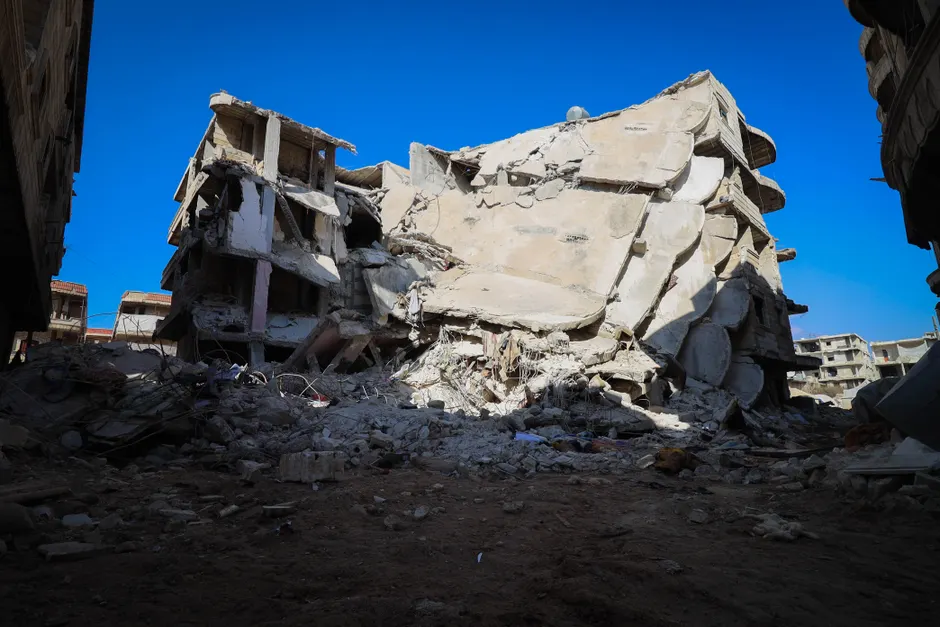
Israeli strikes killed six UN workers and civilians at a school sheltering displaced families in Gaza, the United Nations reported on Sept. 14.
The attack hit a school building in use as a civilian shelter. The UN said staff members were among the dead, along with civilians at the site. It did not give a separate breakdown beyond the total of six. UN News
Schools have been widely used as displacement sites since October 2023. Strikes on those sites raise questions under international humanitarian law, the rules for war. Think of them as traffic rules for conflict: distinction means forces must separate fighters from civilians, proportionality weighs civilian harm against military advantage, and precaution requires steps to limit civilian harm. The facts on each point remain contested between the parties.
Ceasefire accounting
Palestinian health authorities put the documented death toll from Israeli operations in Gaza since October 2023 at at least 67,074 fatalities as of Oct. 4, 2025. WAFA reported 70 Palestinians killed since dawn in that same 24-hour cycle. WAFA
That figure updated earlier accounting. On Sept. 6, 2025, local health authorities had confirmed 64,368 fatalities, with 68 Palestinians reported killed over the previous 24 hours. On Sept. 27, 2025, medical sources in Gaza hospitals reported 51 Palestinians killed since dawn.
A separate count tracks killing after the US-brokered ceasefire in October. Al Jazeera reported on July 12, 2026 that Israeli attacks had killed at least 1,098 Palestinians in Gaza since that ceasefire. Al Jazeera
That July figure updated earlier monitoring. A Nov. 20, 2025 live report put the number killed since the ceasefire began on October 10 at more than 300 people.
On June 15, 2025, WAFA reported at least 26 Palestinians killed since dawn in Israeli airstrikes across Gaza, including four killed in an airstrike on Jabalia in northern Gaza. On Aug. 23, 2026, Israeli forces killed at least three Palestinians in Gaza, including a four-year-old child.
Pattern of drone warfare
Uncrewed systems, weapons flown without a pilot on board, appear repeatedly in reports from Gaza. Gaza's civil defense agency said Israeli forces killed two teenagers in a drone strike on Saturday, in an account published Jan. 25, 2026. On May 11, 2025, WAFA reported that ten Palestinians, including four children, were killed overnight in Israeli drone strikes.
On July 3, 2026, a child was killed and another was injured when an Israeli quadcopter drone dropped a bomb on them as they were filling water behind Al-Omari. The report described the strike as occurring despite the ceasefire. Anadolu Agency
Israel describes drone use by its adversaries as a parallel threat. In a joint IDF and ISA operation, soldiers from the 401st Brigade identified several cells operating drones in the Rafah area. The IDF reported the elimination of several fighters in Hamas' Tel al-Sultan Battalion in the same operation. IDF
Drone use extends beyond Gaza. Hezbollah launched explosive drones toward IDF troops operating in the Security Zone in southern Lebanon, and the drones were intercepted, according to a Sept. 7, 2026 IDF account. The IDF also stated that Iran carried out direct attacks against Israel involving ballistic missiles, cluster missiles and drone attacks, in an assessment published March 4, 2026.
The broader context here is that one shelter strike folds three problems together: civilian protection, staff security and ceasefire compliance. Each has a different verification standard and a different forum for judgment, which complicates response for diplomats and aid planners.
In my view, the next phase will turn on two cumulative counts as much as the shelter deaths. The overall toll since October 2023 frames legal and political debate at international institutions. The post-ceasefire toll frames debate about whether the truce is holding, eroding or being reinterpreted through strikes justified as counterterrorism.
Looking at what this means for monitoring, small drones used by both sides leave limited traces and make reconstruction harder. Civil defense claims, military statements and hospital counts often diverge in the first hours. The prudent approach is to track the dated sequence rather than any single-day figure, and to test shelter incidents against warning and verification steps all parties must observe.