The Hidden Cost of Building a Case Against War Crimes: Palestinian Advocates Under Fire
Palestinian lawyers, human rights groups, and civil society organizations have spent years compiling evidence of alleged Israeli violations in the Occupied Palestinian Territory. What makes this moment consequential is that the people doing this documentation work have themselves become targets.
The International Criminal Court formally opened its investigation on March 3, 2021. On May 20, 2024, Prosecutor Karim Khan filed applications for arrest warrants — a procedural step that signals the investigation has gathered enough evidence to justify charging individuals. Khan's applications covered senior figures from both Israeli leadership and Hamas, a choice that immediately sparked political controversy in Western capitals.
The evidentiary foundation for these potential charges is substantial. Palestinian lawyer Salah Hammouri submitted detailed documentation to the ICC describing forced removal of Palestinians from occupied territories. His submission represents one strand in a larger body of work: Human Rights Watch and Amnesty International filed joint submissions to UN oversight bodies in 2022 concerning Israel's conduct, while Amnesty separately reported that Israel's actions in Gaza — including mass killings and displacement — amounted to crimes of genocide and apartheid.
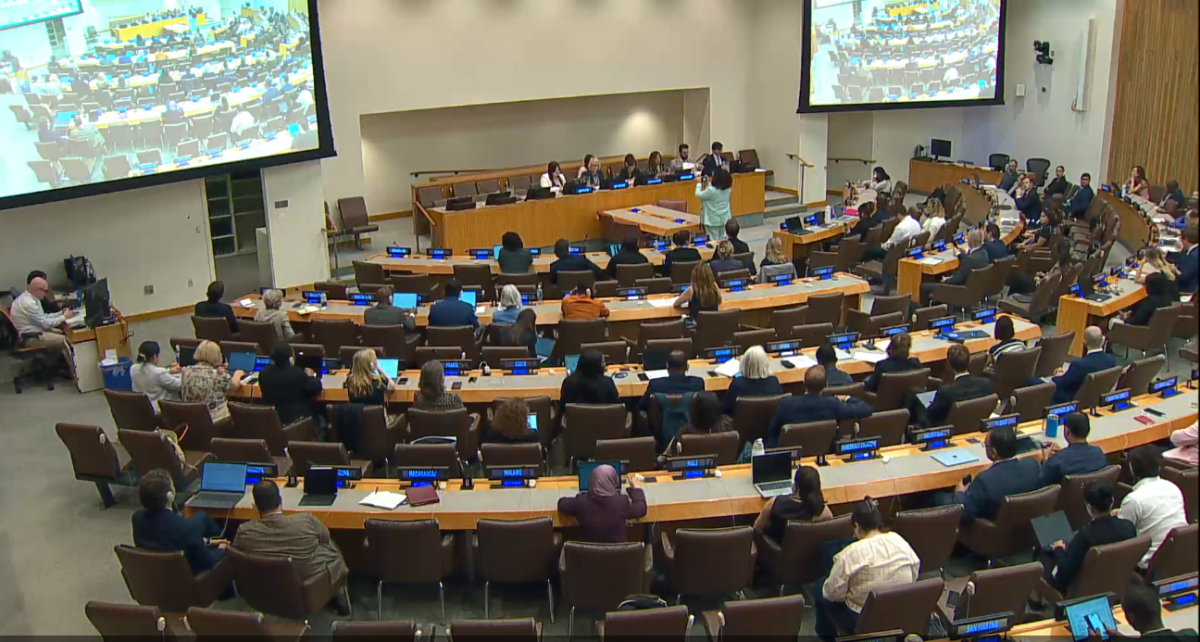
The UN itself has been assembling parallel documentation. The UN Human Rights Council adopted Resolution 55/28 on April 5, 2024, affirming the need for accountability. A report by the UN Special Rapporteur on freedom of opinion and expression examined how the Gaza conflict has restricted journalists' and monitors' ability to report and investigate. Most significantly, in a report from April 13, 2026, the UN Special Rapporteur on torture documented that Palestinian detainees in Israeli custody have undergone systematic physical and psychological abuse — findings directly relevant to how the ICC evaluates claims of crimes against humanity and war crimes. The UN Independent International Commission of Inquiry has also tracked individual cases, including the April 18, 2024 arrest of a Palestinian Israeli professor on alleged incitement charges, part of a wider pattern of restrictions on Palestinians holding Israeli citizenship.
The Price of Evidence-Building
The people constructing this record operate without safety guarantees. Front Line Defenders has documented systematic harassment of human rights defenders in the territory: restrictions on movement, public stigmatization, and forced disappearances. In December 2021, the UN Palestinian Rights Committee heard testimony about Israel's designation of six Palestinian civil society organizations as terrorist entities — a legal move that, under Israeli law, can freeze assets, restrict travel, and prosecute staff members. These six organizations had been major contributors to documentation submitted to international bodies, including the ICC.
A legal study through the UN Information System on the Question of Palestine examined the underlying legality of the Israeli occupation itself, a foundational question that shaped subsequent international legal analysis.
The broader significance here is structural. Israel does not recognize the ICC's authority and has not ratified the Rome Statute — the treaty that governs the court. This jurisdictional dispute does not stop the ICC from proceeding, but it constrains enforcement: arrest warrants only work when suspects enter countries that are Rome Statute signatories, or when political circumstances shift dramatically.
What complicates this further is the simultaneous pressure on the people documenting abuses. Lawyers face disbarment, organizations are labeled terrorist entities, academics are arrested. When the evidence-gathering process itself is under siege, accountability practitioners face a stark question: how much of that record remains intact when it reaches the courtroom? The ICC's Pre-Trial Chamber will eventually rule on Khan's applications based on whatever documentation survives. The reliability of that evidence depends, fundamentally, on whether the people building it could protect it.