Indonesia's First Aircraft Carrier Arrives With Two Missions

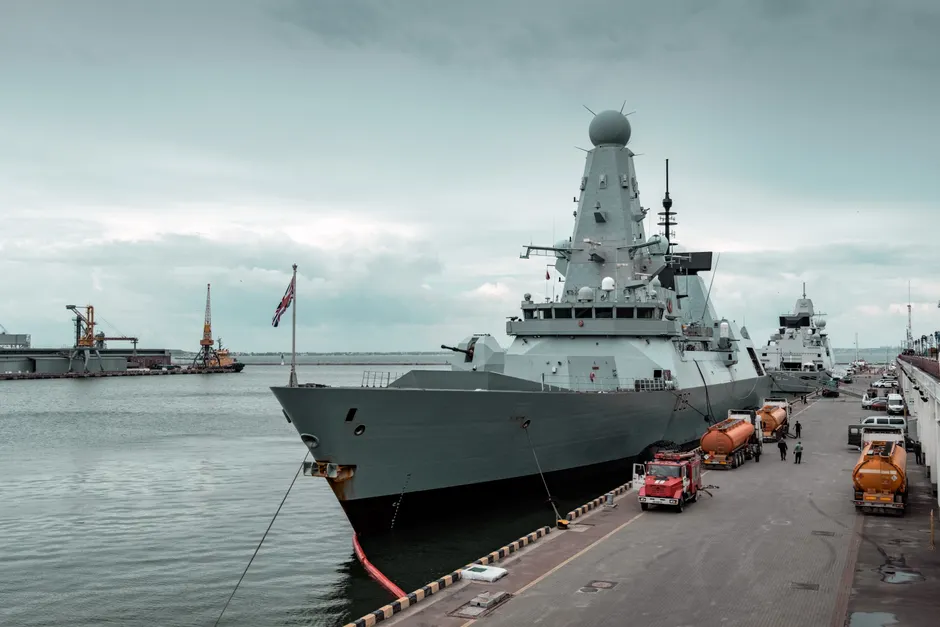
Indonesia has taken delivery of its first aircraft carrier. The former Italian navy vessel Giuseppe Garibaldi docked at Tanjung Priok seaport in North Jakarta after sailing from Italy via Colombo and the Malacca Strait, according to reporting published on September 18, 2026. Al Jazeera
The hull has a long history. It entered service with the Italian navy in 1985 and was retired in 2014. Rome agreed in March to transfer the ship to Jakarta. The vessel is 180 metres (590 feet) long, can carry up to 18 helicopters, and has space for up to 830 personnel. Like other carriers, it works as a floating airbase, letting aircraft operate far from shore. Indonesia will rename it KRI Sriwijaya.
The arrival came slightly early. Delivery had been anticipated for September 20, 2026. Antara The transit schedule put it in Jakarta waters sooner. Indonesian authorities described two missions for the ship. President Prabowo Subianto said it will be used for disaster relief across the archipelago. Navy Chief of Staff Muhammad Ali said it could be deployed for combat missions if necessary.
Cost and integration work is still ahead. Indonesia's Finance Ministry approved $450 million in financing for the aircraft carrier programme in 2025. Indonesia plans to modernize the Giuseppe Garibaldi, with the refit priced at Rp7.2 trillion. Tempo A refit here means repairs and new equipment to adapt the old hull. The Indonesian Navy has been upgrading facilities ahead of the arrival. The carrier acquisition sits alongside a larger procurement sequence, including Jakarta's 2022 $8.1 billion deal to purchase 42 French-made Rafale fighter jets.
The broader context here is the dual designation. Disaster relief gives the Navy a practical reason that fits an archipelago of more than 17,000 islands, where sealift, moving supplies by sea, rotary lift, moving them by helicopter, and floating command capacity have direct civilian utility. Retaining a combat role keeps open a second use, deterrence and power projection, without committing Jakarta to define the ship mainly as a warfighting asset.
Looking at what this means for force structure, the economics need a closer look. A transferred hull avoids the cost of new construction. It does not avoid the cost of adaptation. The $450 million financing envelope and the Rp7.2 trillion modernization figure point to a large conversion and support bill for a four-decade-old platform, from living quarters and propulsion to aviation handling and disaster-response configuration. For naval planners, the test will be sustainment: finding crew for 830 posts, keeping helicopters ready for an 18-airframe deck, and keeping shore infrastructure able to support continuous operations.