AirPods 5: What Changes With ANC, Battery, and the $20 Upgrade

Apple sells the AirPods 5 in two versions starting at $129, and both include active noise cancellation (ANC) and Live Translation Engadget. The base set costs $129. The version with the Wireless Charging Case costs $149, or $20 more.
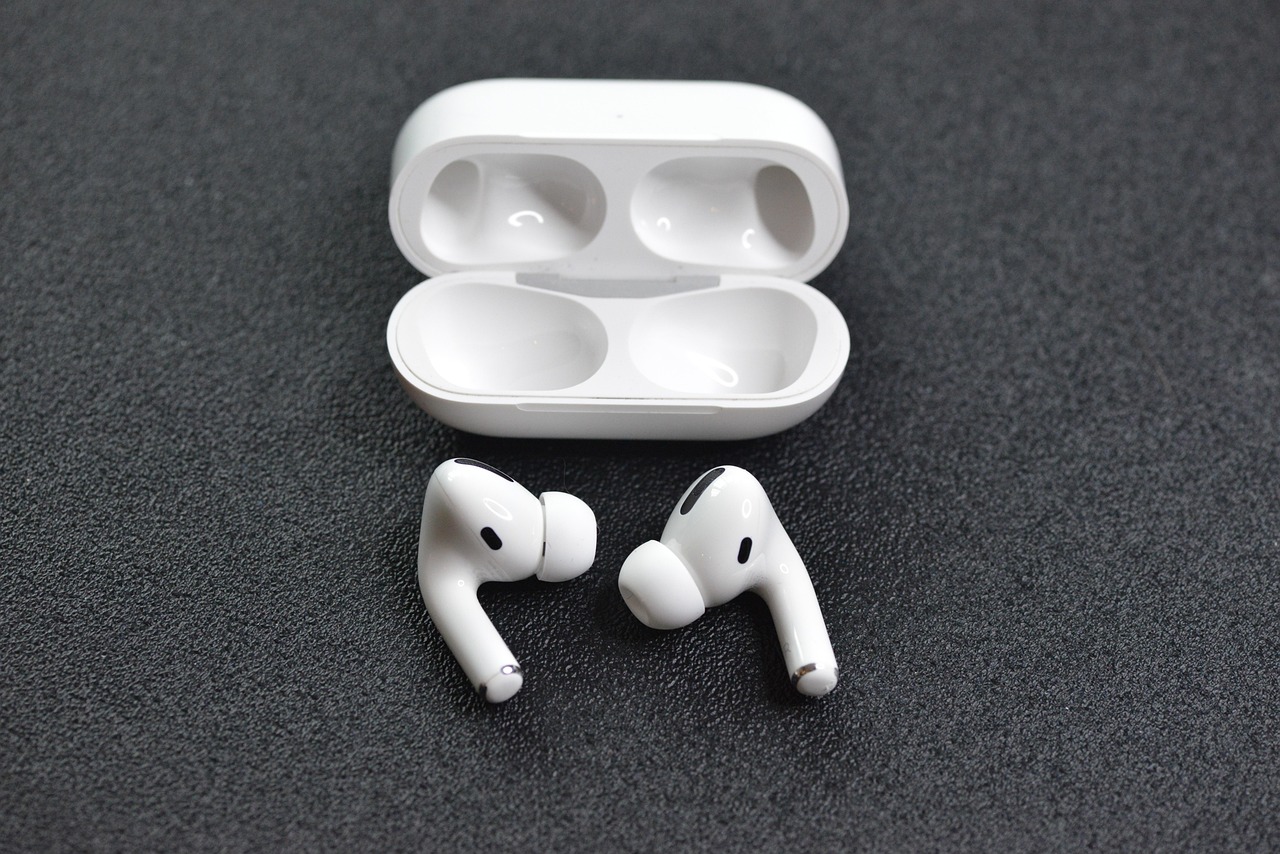
The difference sits almost entirely in the case and related conveniences. The $149 model charges wirelessly via Qi pads or Apple Watch chargers. It adds audible Find My alerts for a lost case, swipe volume controls on the buds, and extended battery life in both the buds and the case.
For sound, Apple points to a new multiport acoustic architecture, a revised layout of vents and chambers that shapes airflow and sound, paired with updated ANC algorithms and Adaptive EQ, which adjusts tuning automatically for the ear. Apple claims 50% more noise blocked than AirPods 4 and calls the result best-in-class open-ear Active Noise Cancellation Apple. Open-ear means no silicone tip seals the ear canal, so cancellation depends on vent design, microphone placement, and constant adaptive processing rather than a physical seal.
Durability improves to IP57, up from IP54 on the AirPods 4 lineup. In practice, that means the buds can stay under up to 1 meter of water for up to 30 minutes. Apple introduced AirPods 5 in a September 2026 newsroom release and grouped them with iPhone 18 Pro and the new Apple Watch lineup in a September 11, 2026 post to guide fall buyers Apple.
The broader context here is simpler segmentation. ANC is now standard, so buyers no longer pay extra just to quiet an office or an airplane cabin. The $20 now covers convenience and power management, not core audibility.
In my view, that is the practical read on the split. Apple treats noise reduction as a baseline expectation for wireless earbuds, while longer battery, wireless power, on-bud volume, and audible location remain options for those willing to pay a little more.
Worth flagging for daily use, Live Translation and open-ear ANC lean in the same direction. Both require heavy real-time processing while keeping the ear open. Translation must balance incoming speech, ambient awareness, and synthesized output without isolating the wearer from the conversation partner, while open ANC must reduce steady low-frequency background without creating pressure or muffling voices. The combination of new ports, retuned algorithms, Adaptive EQ, and tougher IP57 resistance for sweat and weather fits travel, walking meetings, and workouts.
What this enables, if daily use bears it out, is a lighter carry. One open pair could cover calls, transit, exercise, and multilingual conversation without swapping hardware or wearing a sealed fit all day.