Two State Elections Test Merz After AfD Victory in Saxony-Anhalt
Voters in Berlin and Mecklenburg-Western Pomerania voted on Sunday, September 20, 2026, in state elections for the capital and the northeast. About 2.5 million people were eligible to vote in Berlin and nearly 1.3 million in Mecklenburg-Western Pomerania. Polling booths were open from 8am to 6pm local time, according to Al Jazeera.
The votes followed a state election in Saxony-Anhalt about two weeks earlier, where the far-right Alternative for Germany (AfD) defeated Chancellor Friedrich Merz's Christian Democratic Union (CDU) but fell just short of an absolute majority, or more than half the seats. The AfD received 43.8 percent of the vote in Saxony-Anhalt, according to Clean Energy Wire. Merz leads the CDU, which governs nationally in coalition, a partnership to govern, with the Social Democratic Party (SPD) as of September 2026. National polls put the AfD at 27-29 percent ahead of the September 20 votes, according to Reuters.
In Mecklenburg-Western Pomerania, the contest centered on SPD state premier, or state leader, Manuela Schwesig and AfD lead candidate Leif-Erik Holm. Ahead of the vote, the AfD polled at 36 percent against the SPD's 37 percent, with the CDU at 6 percent, according to public broadcaster ZDF.
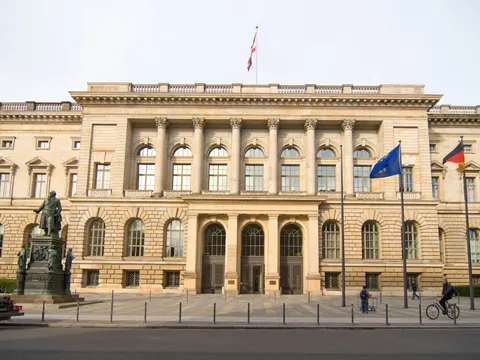
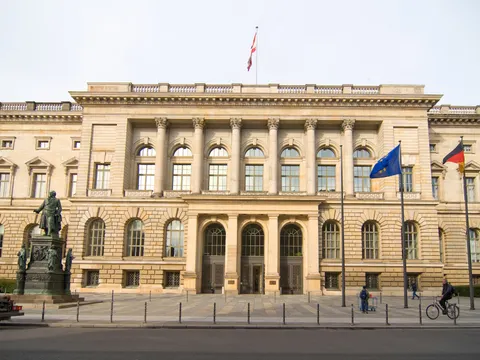
In Berlin, the ruling CDU faced the far-left Die Linke. The September 20 vote covered the election to the 20th Abgeordnetenhaus of Berlin, the city parliament, and elections to the Bezirksverordnetenversammlungen, the district councils. The Senate of Berlin, the city government, addressed the election in its session on June 3, 2025. Berlin's Wahlorgane, the election offices, prepare and run all political elections and set the official result in Berlin, as well as Volksbegehren and Volksentscheide at state level, or petitions and referendums. A video claiming to show AfD postal ballots being destroyed went viral ahead of the Berlin vote, according to DW.
The broader context here is Germany's federal system, where Land, or state, results reshape politics in Berlin without directly changing the national government. The figures point to a direct contest for first place in Mecklenburg-Western Pomerania and a tight race in Berlin. A narrow margin leaves coalition math open, like pieces that can fit together in different ways, and the stakes differ by state. Two votes at once tested different groups: an eastern state where the AfD and SPD led the field, and a city-state where the CDU faced pressure from the left. For diplomats and policymakers, the question is less the seat count on election night than how results limit Merz's room to act with his SPD partner, and how other parties handle cooperation with a party polling near or above one-third in the east and high in national surveys. That negotiation will play out in state parliaments first.