AI Stocks Rebound on U.S.-China Talk Hopes as Oil Falls to $98.43

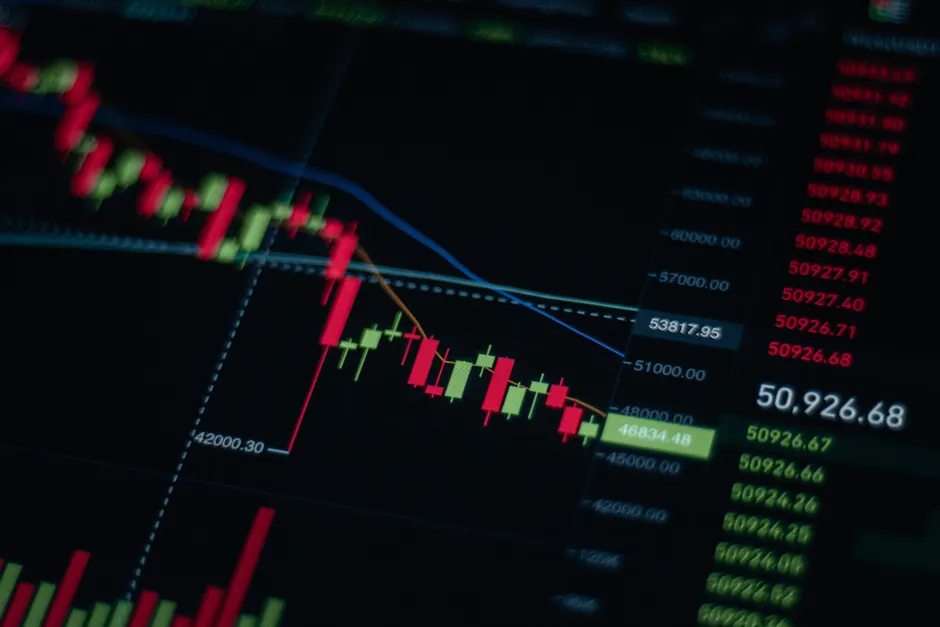
AI-linked stocks rebounded in Asia and in U.S. futures on September 21, 2026, while crude oil fell to 98.43 USD per barrel, down 1.87% from the previous day. Asian markets mostly rose, with technology shares leading gains, according to The Guardian. U.S. stock futures, contracts that point to where the market may open, ticked up and AI stocks rallied on optimism for talks, according to the Wall Street Journal.
Chinese and U.S. officials held trade talks over the weekend before September 21, according to Yahoo Finance. U.S. Treasury Secretary Scott Bessent described talks with Chinese counterparts on artificial intelligence, trade and investment as "very successful" on September 21, according to Bloomberg. The United States and China agreed to launch an AI dialogue and advance trade talks that day. The swing from down to up was fast.
That bounce followed a global drop one week earlier. AI-linked stocks slumped worldwide on September 14, 2026. Leaders of Anthropic, OpenAI and xAI warned of risks from rapid AI development, according to Reuters. AI-linked stocks plunged worldwide after warnings about potentially existential risks, according to Reuters. Nasdaq futures came under pressure as tech sold off.
That September 14 move contrasted with Nvidia's results on August 26, 2026, which signaled demand for its AI chips continued unabated. Think of Nvidia as an early sales check for the AI buildout. The verified September 21 reports held no new company-level operating data to confirm or refute that demand read.
Early September trading had ended lower on Wall Street as yields rose and oil climbed. Yields are the return investors demand to hold bonds, and higher yields can pressure stocks and borrowing costs. The Dow ended down 0.79%, the S&P 500 down 0.71% and the Nasdaq down 1.03%, according to Reuters. Brent crude futures settled up nearly 1% at $97.92 per barrel in an earlier September session, according to CNBC.
The broader context here is a market swapping one AI risk premium for another. A risk premium is the extra return investors want for holding something uncertain. The first was earnings and spending visibility, anchored in late August by Nvidia's demand signal. The second was regulation and safety headline risk, triggered September 14 by coordinated warnings. September 21 replaced that second premium with a talks premium tied to negotiation.
Looking at what this means for positioning, the mix matters for ordinary savers and investors. Stocks up with oil down on September 21 is a cleaner risk-on pattern than early September, when stocks fell while yields and oil rose. For savers with stocks in retirement accounts, the first pattern hurts less day to day. It does not resolve the tension between strong chip demand and calls to slow development.
In my view, the new variable to watch is the agreed AI dialogue itself. A standing U.S.-China channel on AI, trade and investment creates its own calendar of headlines, separate from model releases, chip shipments and earnings. Futures led both the September 14 fall and the September 21 bounce, which points to price discovery starting in leveraged, after-hours trading rather than regular cash hours. That setup favors sudden gaps over steady trends until the dialogue produces verifiable terms.