Yemen Boat Crossings to Djibouti Rise as Fighting Near Mokha Displaces Thousands

Thousands of people fled Yemen's western coast for Djibouti by boat in the ten days to 21 September 2026, crossing the Bab al-Mandab Strait to escape fighting. The boats headed for the Djiboutian port town of Obock. BBC
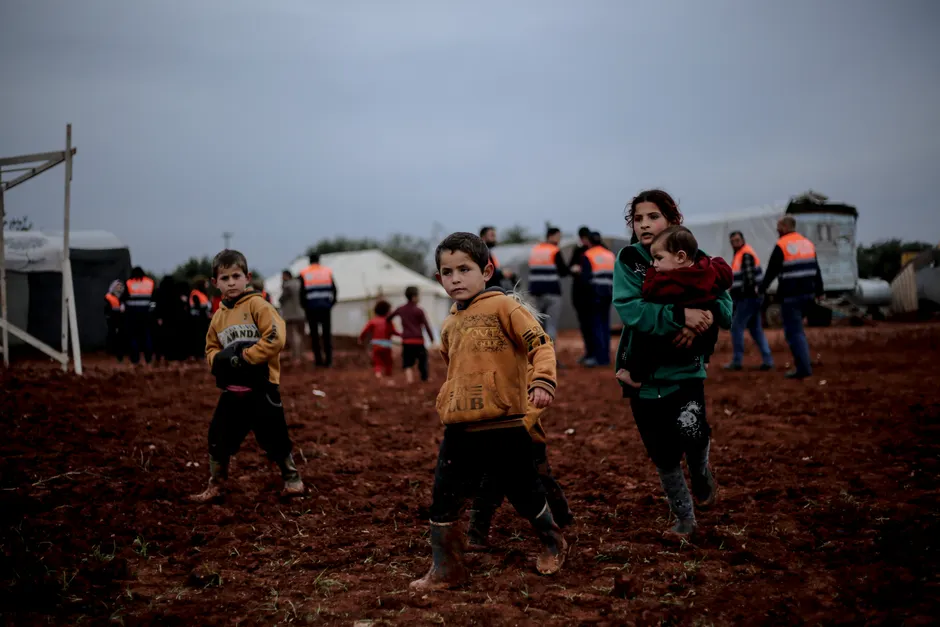
BBC reporter Frank Gardner visited a refugee camp in Obock as arrivals continued. Officials there are preparing for up to 10,000 refugees. The International Organization for Migration (IOM), the UN agency that tracks movement, said people traveled on overcrowded boats and arrived with very limited food and water. BBC
The crossings were sparked by an offensive by the Iran-backed Houthi movement to take control of a key island, according to that reporting. That offensive aimed to seize the port of Mokha, described as strategically important. BBC
UN agencies put internal displacement inside Yemen, people forced from home but still inside the country, at 112,000 as of 18 September 2026. Around 3,000 Yemenis had fled Yemen by boat to Djibouti by that date. Reuters UNHCR, the UN refugee agency, reported Yemeni families arriving by boat in Obock after fleeing intensified hostilities. UNHCR
The flow also includes third-country nationals, non-Yemenis caught in Yemen. An overcrowded boat carrying 152 Somalis and Ethiopians traveled from the coast near Aden toward Djibouti. On 16 September, IOM had put the total who crossed from Yemen into Djibouti at 2,776. IOM
The 10,000-person planning figure is more than triple the confirmed seaborne arrivals reported as of 18 September. Reception is centered on Obock town and its camp infrastructure, covering shelter, water and registration.
Obock received arrivals before. UNHCR inter-agency Update No. 26 in October 2015 reported over 2,640 refugees sheltered in Markazi refugee camp, with 392 new tents added. Update No. 25 earlier that month reported 1,844 sheltered in Markazi, with others living in Obock and Djibouti city. Markazi camp and Obock town were listed as locations from which refugees later spontaneously returned home.
For the logistics picture in Obock, tents, plots, water systems and protection referral pathways were built for short surges across the strait, not for sustained intake. The current caseload is arriving by sea, dehydrated and under-provisioned. That shifts triage toward medical screening, family separation checks and rapid DTM registration, the UN system for counting and tracking displaced people.
Movement in the opposite direction continued. Arrivals in Yemen between January and September 2025 more than tripled compared with the same period in 2024, rising from 16,000 to 51,800, in IOM appeal records. IOM Separately, IOM reported nearly 60,000 migrants and refugees arrived in Europe by sea so far in 2026, down 39 percent from 98,040. IOM
The broader context here is a reversal layered onto a mixed-movement system across the Red Sea, with people moving in both directions. Obock has processed several thousand arrivals before. The question now is whether displacement inside Yemen and departures by sea keep rising together. If Mokha and its offshore approaches become a sustained front, civilian access to overland exits may narrow and push more people toward boats. That would test Djiboutian reception, IOM maritime monitoring and UNHCR protection capacity at once.
Looking at what this means for response planning, three variables deserve close tracking. First, the gap between confirmed arrivals and the 10,000 contingency figure. Second, the makeup of boat manifests, Yemeni families alongside Somali and Ethiopian nationals, which requires different refugee status checks and counseling on assisted return. Third, whether internal displacement stabilizes or turns into more cross-border movement. None of those paths are set. DTM and inter-agency updates will clarify the picture as they reconcile daily counts with camp occupancy in Obock.