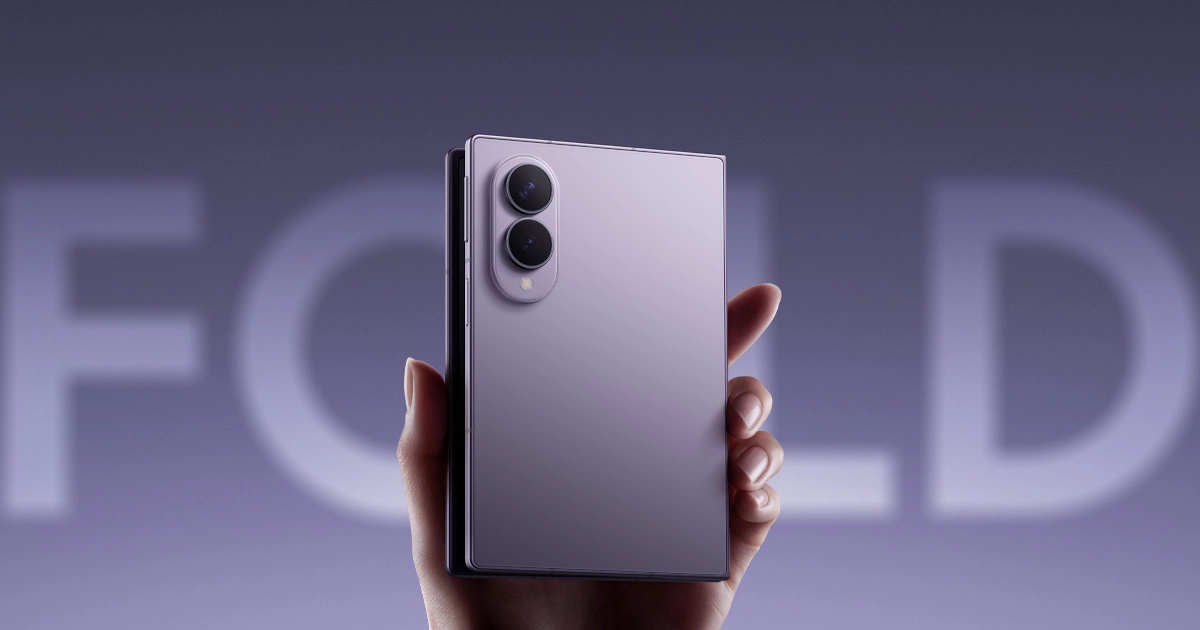
Oppo Find X10 Pro Max: Why Three Matching 200MP Cameras Matter

Oppo launched the Find X10 Pro Max in China on September 22, 2026. It is the first phone to fit 200-megapixel sensors to all three rear cameras, according to The Verge.
The main camera is rated for 17-stop dynamic range, the span from bright highlights to dark shadows where detail is still held, using Oppo's DeepPix sensor technology. Oppo continues its camera partnership with Hasselblad on the device, and both the Pro Max and the standard Find X10 offer customizable color profiles and film looks. The base Find X10 steps down to a 50-megapixel ultrawide camera.
Silicon is MediaTek at the top of the range. The Find X10 Pro Max runs on the Dimensity 9600 Pro, while the base Find X10 uses the 9600M. Oppo describes the Dimensity 9600 Pro as a 2nm platform and lists the OPPO Laminar Flow Engine as part of the Pro Max package, according to OPPO UK.
Battery and durability are shared across the two flagships. Both phones carry 8,000mAh batteries and both carry IP69 ratings.
The Pro Max debuted alongside the Find X10 and Find X10E in China, as reported by India Today. Oppo has confirmed the Find X10 Pro Max will also receive an international launch, though timing and markets were not detailed in the verified materials.
The broader context here is symmetry. Three matched high-resolution sensors simplify software switching between focal lengths. Color, exposure and detail do not jump when the user moves from wide to telephoto. That consistency is harder to deliver than it sounds.
In my view, the real test moves to processing. Triple 200-megapixel readout puts heavy load on the image signal processor, memory bandwidth and heat control on every shutter press. If computational photography stacks and on-device processing cannot keep pace, shutter lag and power draw become the limits users notice. Worth flagging for testing is the 17-stop claim. Dynamic range on a small sensor is a system property, not a sensor property alone. Lens flare control, multi-frame alignment and tone mapping decide whether those stops survive into a viewable file.
The broader implication is practical. If Oppo delivers, consistent color and high resolution give photographers cropping latitude without changing phones or workflows. Larger and more uniform image data also means heavier files and new demands on storage, backup and on-device ML pipelines for enterprise buyers and developers. I watched my own kids take up phone photography without thinking about megapixels. They kept what looked good and deleted the rest. Pro users cannot afford that indifference, but the test is the same. Images either hold up under editing or they do not. If the international version retains the China hardware, Oppo will have set a clear reference point for 2026 flagships. Resolution is no longer the constraint. Throughput is.