Apple's $899 M6 Mac Mini Raises the Entry Bar for Desktop Power

Apple's M6 Mac mini starts at $899 with a 12-core CPU and 12-core GPU. The Verge
The model sits in a Mac mini lineup with M6 and M5 Pro chips, which Apple unveiled in August. The M6 has two more CPU cores than its predecessor, and Apple claims "world's fastest single-threaded performance" for the chip, or speed on work that runs on a single core. Apple
At entry level, the M6 Mac mini ships with 16GB of unified memory, memory shared between processor and graphics, and 256GB of storage. Thurrott
The previous Mac mini started at $599, so the new entry price is $300 higher for substantially more CPU and GPU headroom. The Verge notes that 12 cores may be more than users focused on web tasks need. The Verge
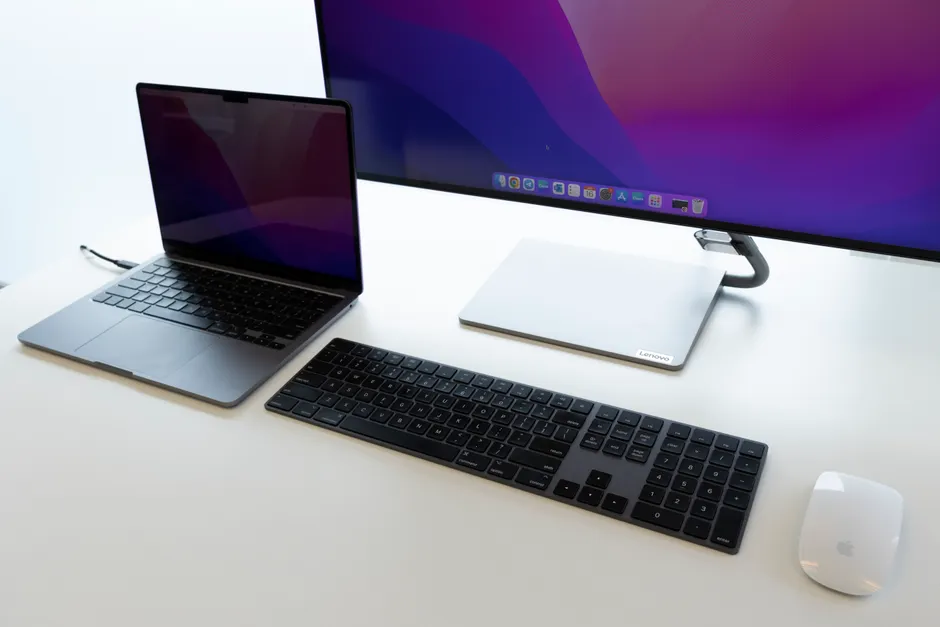
The comparison is Apple's $699 MacBook Neo, a laptop powered by an iPhone chip. Building on that precedent, The Verge proposed a Mac Neo concept, a smaller, fanless desktop using a smartphone chip at a hypothetical $499 price. The Verge
The gap is now $200. A $699 portable with phone-derived silicon sits below an $899 desktop with a full M-series part, which leaves no current desktop option for buyers who want macOS, a fixed workspace, and minimal heat and power use.
The broader context here is product segmentation around spare performance. Unified memory, high core counts, and sustained clock speeds make the mini capable for compilation, local inference, containerized development, and media encoding. Those jobs benefit from extra cores and fast single-core response. Web use, light office work, and playback do not. A fanless phone-chip desktop would trade sustained throughput and port flexibility for silence, lower power draw, and lower build cost.
In my view, the proposal is less about nostalgia for a cheap Mac than about matching silicon to the task. Phone-class SoCs, complete processors with graphics and other functions on one chip, are now fast enough for fluid everyday desktop use, especially with unified memory and hardware media processing. For schools, labs, kiosks, farms of thin clients, and households needing a shared living-room machine, silence and size can matter more than peak multicore scores. A $499-class device would not replace the M6 mini. It would sit underneath it.
Looking at what this means for buyers, the current lineup asks entry desktop customers to pay for performance they may never saturate. That tradeoff is familiar in the Apple Silicon era. Performance per watt keeps rising, and the floor keeps moving up. The optimistic read is that the same efficiency behind the $699 phone-chip laptop also makes a credible sub-mini desktop plausible, expanding where a Mac can live rather than just making the mini faster.