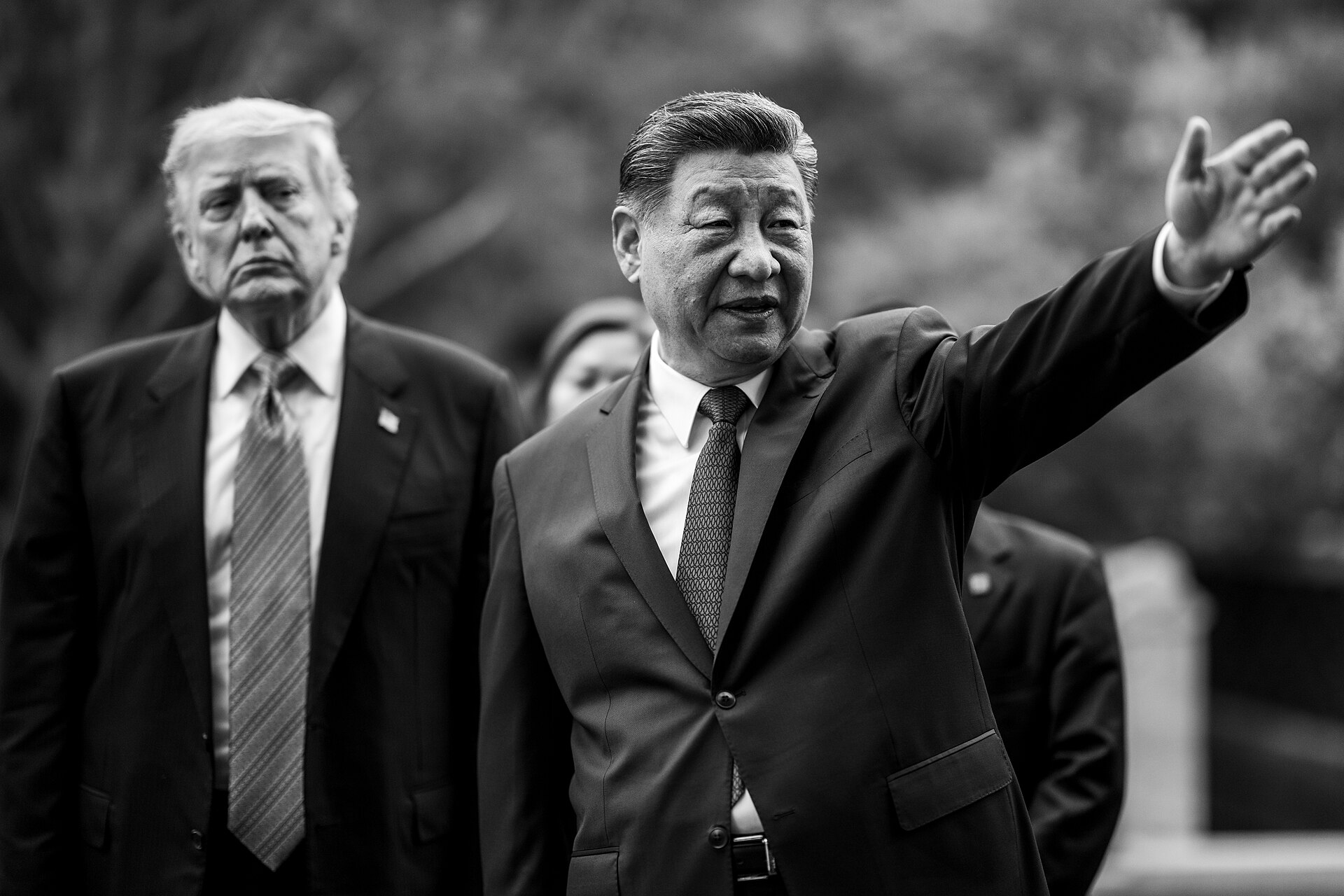
Trump to Host Xi at the White House With Trade, AI, Taiwan and Iran on the Agenda
President Donald Trump was set to welcome Chinese President Xi Jinping at the White House in Washington, DC on September 24, 2026, for an official state visit. Al Jazeera
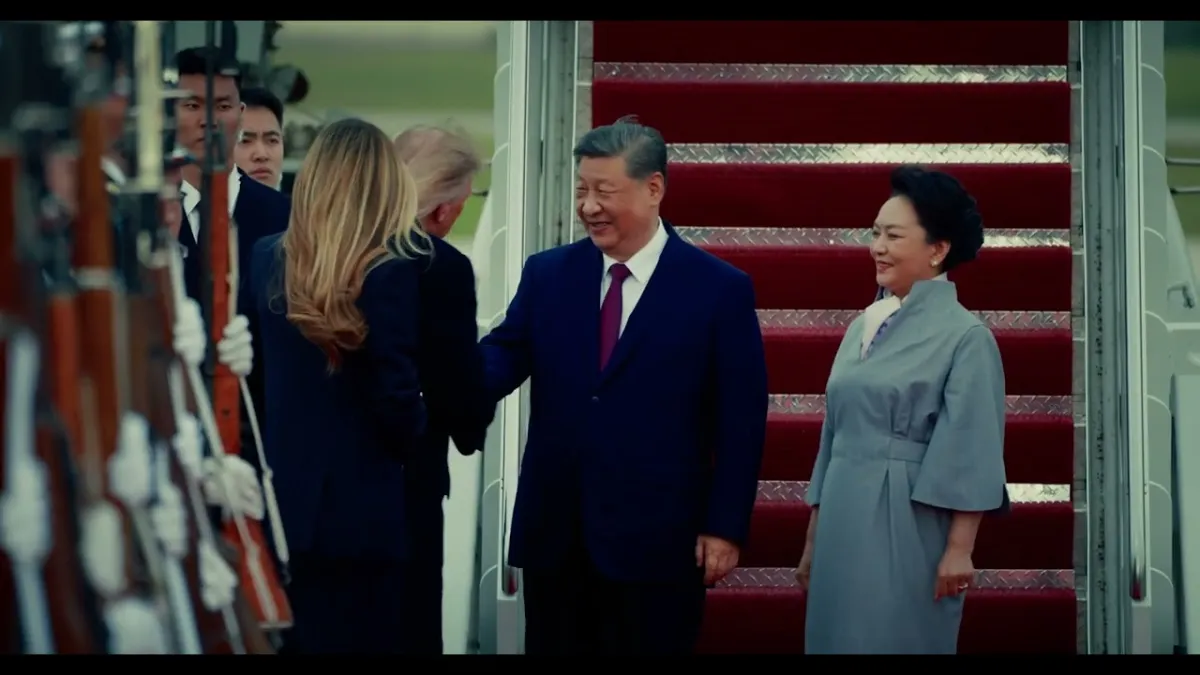
The White House said Trump and First Lady Melania Trump would welcome Xi on Thursday, September 24, 2026. The details were published on September 21, 2026, in an announcement titled "First Lady Melania Trump Releases Details Ahead of His Excellency Xi Jinping, President of the People's Republic of China and Madame Peng Liyuan's Visit to the White House." White House The White House listed the announcement as Briefings & Statements.
Madame Peng Liyuan was to join Xi at the White House. The program included an arrival ceremony in which Trump and Melania Trump would welcome Xi.
It was Xi's first White House visit in more than a decade. Al Jazeera It was also his first visit to the United States in nearly three years. Reuters The September meeting followed a May 14, 2026, encounter in which Trump greeted Xi at the Great Hall of the People in Beijing, China. Al Jazeera
Trade, AI, Taiwan and the war in Iran were listed as topics for the September 24 talks. Al Jazeera Artificial intelligence safety (rules to keep advanced AI systems from causing harm) was listed separately as an issue for Trump and Xi to work through. The meeting came amid tensions on Iran, Taiwan and trade. ABC News The United States and China had agreed to extend their trade truce (a temporary pause on new tariffs, or taxes on imports) to January. Reuters Al Jazeera described the day in a live blog titled "Trump-Xi summit live: Trade, AI, Iran and Taiwan top US-China talks" on September 24, 2026.
The broader context here is how much was packed into one meeting. Trade, technology rules, policy toward Taiwan (often called cross-Strait policy because it concerns relations across the Taiwan Strait) and a regional war usually move at different speeds. Putting them together can create bargaining room, like trading progress in one area for progress in another. It also creates a risk that a dispute in one area slows the others.
Looking at the calendar, the January deadline matters for negotiators. It gives working level officials, the diplomats and technical staff below the leaders, a window to work after the September meeting. It also leaves the option to return to pressure, such as tariffs, if talks stall. The May to September rhythm suggests both leaders wanted direct contact to steady that window.
In my view, the ceremony itself sent a message. An official visit, an arrival ceremony, and the presence of both Melania Trump and Peng Liyuan point to an effort to keep the talks orderly. That does not settle AI safety, Taiwan, Iran or tariff policy. The test is whether the September 24 discussion produced working arrangements that last past January, and whether AI safety and the other issues were handled as separate tracks or used as bargaining chips.