Xiaomi 18 Pro Pairs Per-App Privacy Display With Dual 200MP Cameras

Xiaomi launched the 18 Pro and 18 Pro Max in China and confirmed a global release later this year. Both phones combine a switchable privacy front screen with two 200-megapixel rear cameras and a second screen built around the camera module, according to The Verge.
Privacy is built into the front display panel itself. It can be turned on for specific apps, rather than for the whole phone at once, and it also covers system surfaces such as notifications, floating windows and split-screen views. In other words, users set rules for when privacy applies instead of using one global switch. The phone can enable it automatically based on location, and the selfie camera can watch for onlookers and engage protection.
That fine-grained control keeps everyday use intact. Navigation or video can stay fully visible while messaging, banking or email are narrowed to the owner. Location triggers point to commutes, offices and travel as target uses, with gaze detection as a reactive layer against shoulder surfing.
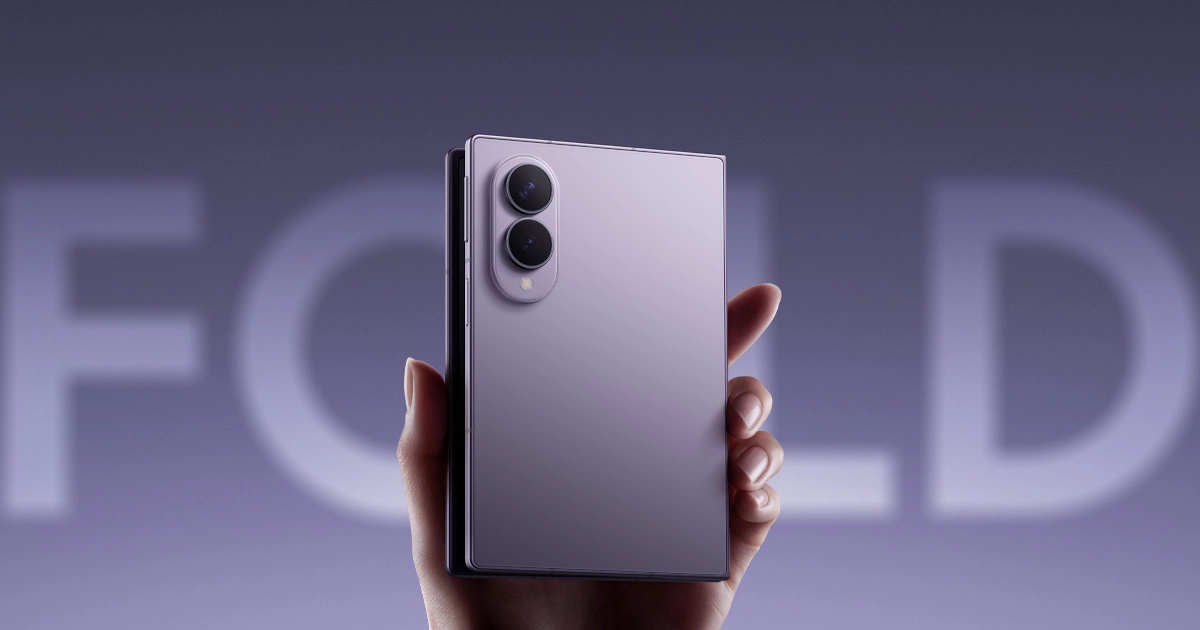
The second screen sits around the rear cameras. Xiaomi has not shared resolution or interaction details in the material reported so far. Its position next to the main and telephoto lenses allows it to work as a viewfinder for self-portraits taken with the rear cameras, plus clock, notification and status display when the phone is face down.
Both phones use a 200-megapixel main camera with a 1/1.28-inch-type sensor, the light-capturing chip behind the lens, a 200-megapixel 75mm telephoto based on Samsung's 1/1.56-inch HP5 sensor, and a 50-megapixel ultrawide. Matched 200-megapixel counts across the two most used focal lengths give wide room to crop, while increasing the data rate the image processor must handle.
Compute comes from Qualcomm's Snapdragon 8 Elite Gen 6 family. The 18 Pro uses the standard Elite configuration while the 18 Pro Max uses the Extreme version. The architecture is the same, with different chip sorting and clock speeds to suit the smaller chassis and the larger model with more thermal and power headroom.
The 18 Pro has a 6.4-inch display and a 7,000mAh battery. The 18 Pro Max steps up to a 6.9-inch display and an 8,500mAh battery. Pricing for the series starts at ¥5,999, about $900.
The broader context here is a rebalancing of flagship priorities. For several cycles the emphasis was low-light processing and larger main sensors. Xiaomi keeps sensor area large but adds reach, pixel count and control surfaces on both faces of the phone. The large batteries provide the budget to run dual high-resolution streams, two displays and continuous presence detection without cutting endurance short.
In my view, the correct abstraction is treating privacy as context aware. Clip-on filters and software dimming never held up in daily use because they punished the owner as well as the observer. Integrating viewing-angle control into the display stack and tying it to app identity, location and presence sensing avoids that tradeoff. Testing will need to check viewing cone stability at off angles, brightness penalty when engaged, power cost, and whether developers need to do anything for floating windows.
Worth flagging for enterprise buyers, the per-app privacy policy could prove more durable than the camera specifications. Regulated work happens in public spaces. If IT can define which managed apps always render private across notifications and split-screen, the phone becomes easier to approve for travel. Consumers will judge it more simply. If it works without fiddling, and selfies from the rear cameras look better because of that second screen, adoption will follow.