Meta Connect 2026: Keynote Time, AI Glasses and What Developers Should Watch

Mark Zuckerberg will deliver the Meta Connect 2026 keynote at 7PM ET (4PM PT) on September 23. Engadget
The address opens a two-day program described as showcasing Meta's latest breakthroughs in AI technologies, AI glasses and VR. Engadget Coverage is based at Meta's headquarters in Menlo Park, California. Engadget Additional developer talks and sessions are scheduled for the day after the keynote. Engadget
Connect is scheduled for September 23-24. Meta It is presented as a two-day livestream event. Meta The published agenda lists keynotes, expert sessions and deep dives. Meta It includes a developer guide to building for Meta VR and AI glasses. Meta Zuckerberg is listed as Founder and CEO of Meta. Meta
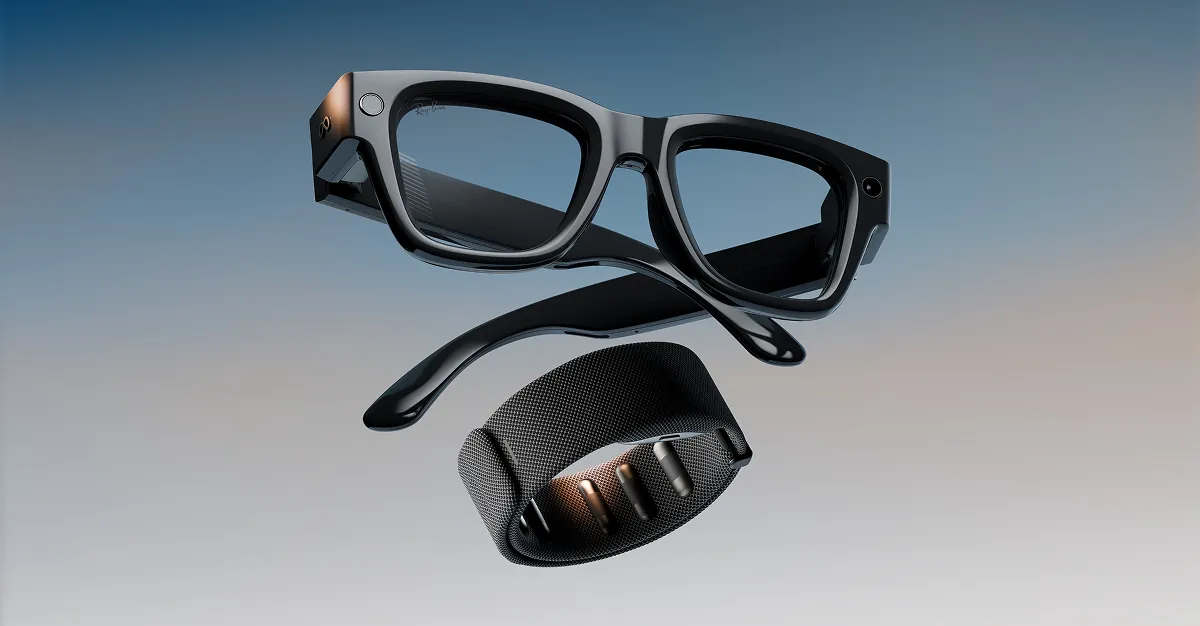
Meta unveiled a new series of Meta Glasses earlier in 2026, before Connect. Engadget In March, the company introduced its first AI glasses built for prescriptions, with Ray-Ban Meta glasses built to serve people who rely on prescription glasses and all-day eyewear. Meta
A separate hardware plan concerns camera-free smart glasses. Meta plans a fall launch for the device. Reuters The planned glasses have six built-in microphones for speaking with Meta's AI chatbot. Reuters
The broader context here is familiar to anyone who builds for small devices. Glasses have limits that phones and headsets do not. Battery power, the amount of heat the frame can safely give off, weight on the nose, and whether people accept cameras in public all restrict what can ship.
In my view, the two glasses details in the record point to where Meta is testing those limits. Prescription support affects distribution and wear time. If the device cannot be worn all day by people who need corrective lenses, it stays a secondary gadget. If it can, it becomes everyday eyewear with computing built in. That change alters developer assumptions about session length, how often people give input, and background availability.
Looking at what this means for builders, a camera-free design with a six-microphone array points toward voice as the main control and toward places where a lens is unwelcome. For developers working across VR and glasses, the split is practical. One target offers rich visual output and spatial input, meaning tracking of head and hand movement in 3D space. The other relies on audio input, spoken conversation, and minimal visual feedback. Code, interaction models, and privacy handling do not move cleanly between them.
Looking at what this means for the event itself, the agenda choice is instructive. A developer guide spanning both VR and AI glasses points to a shared set of tools even as designs diverge. For practitioners, the questions to bring to the keynotes and deep dives are concrete. How features are exposed across devices, how always-on listening is managed, and what changes when prescription eyewear makes the device persistent rather than occasional.
In my view, if Connect delivers clear answers on those points, developers leave with something more useful than new hardware. They leave with a stable target for the next cycle of apps. That is the outcome to watch across September 23 and 24.