Meta Brings FDA-Cleared Hearing Support to Its AI Glasses

Meta announced FDA-cleared Hearing Enhancement software for its AI glasses at Meta Connect, with rollout to supported Meta Glasses planned for later this year. Engadget Clearance means the U.S. Food and Drug Administration has reviewed the software for safety and effectiveness for its listed use.
The feature is for people with mild to moderate hearing loss who would otherwise use a hearing aid. It does not need a prescription. Setup is done at home by the user, and the mode starts with the voice command "Hey Meta, start Hearing Enhancement".
Pricing has two paths after a 30-day free trial. Users can pay a one-time $149 fee or get it through a Meta One subscription. The software qualifies for HSA/FSA reimbursement, the pre-tax health accounts many U.S. buyers use for medical costs. Ray-Ban models will not be supported at launch.
The difference from Meta's existing audio tools is this. Meta already offers Conversation Focus, an AI feature for people with normal hearing that makes a conversation partner louder in noisy places. Wired Hearing Enhancement is in a different category. It is cleared by the FDA for hearing-loss support, with at-home fitting and no clinician visit required.
Glasses combine vision and hearing in a way earbuds cannot. Meta sells prescription lenses for its AI frames in single vision, progressives and Transitions options, starting from $224 and also eligible for FSA/HSA spending. Meta That puts vision correction and hearing support on the same wearable and under the same payment rules.
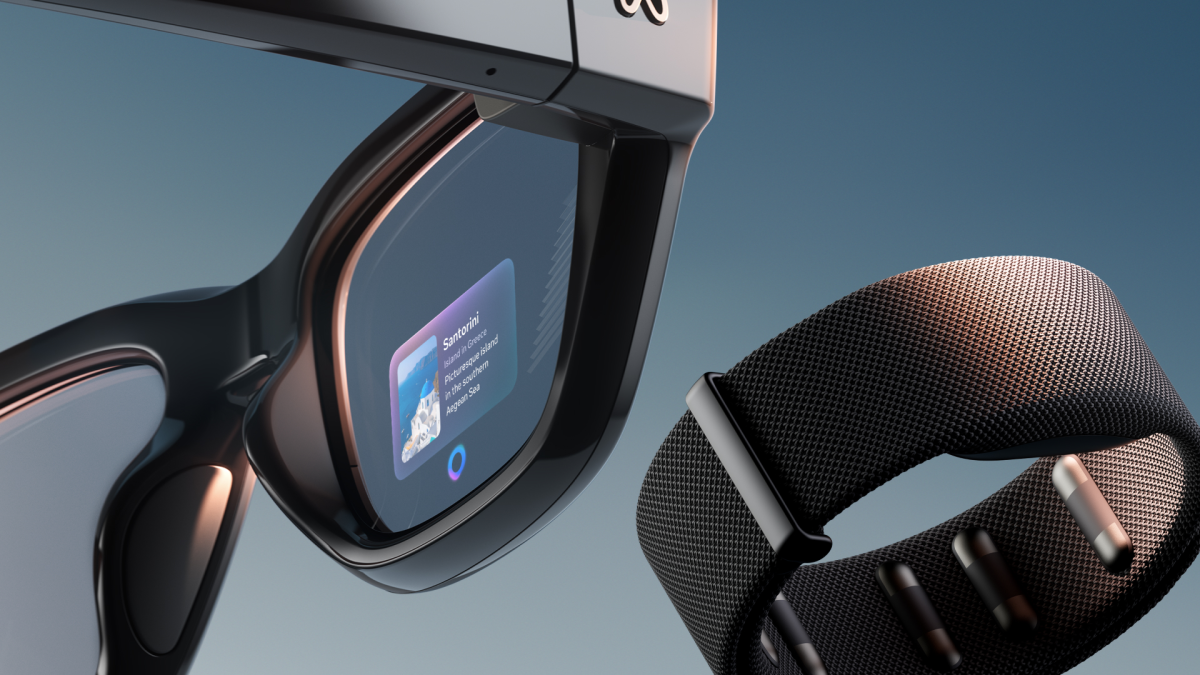
There is an earlier example of this regulatory route. EssilorLuxottica received FDA clearance in February 2025 for its over-the-counter Nuance Audio glasses. Reuters Meta has also introduced consumer-ready smart glasses with a built-in display. Separately, the company faces a privacy lawsuit linked to concerns about covert recording, and a UK pub chain has restricted Ray-Ban smart glasses for that reason. Reuters
The broader context here is the slow convergence of hearables, a term for ear-worn audio and hearing devices, and eyewear. For years, hearing help meant a separate device, a clinic appointment and a prescription process. Moving part of that to a software switch on glasses people already wear for other reasons lowers practical barriers. It treats support as a mode to turn on rather than extra hardware to buy.
In my view, the payment setup deserves as much attention as the clearance itself. A one-time purchase next to a subscription option, plus a trial and HSA/FSA eligibility, gives Meta two ways to make paying feel normal. Worth flagging is the launch exclusion. Leaving Ray-Ban models out at first divides the installed base by frame, which will matter for IT buyers, developers building voice-first workflows, and accessibility teams testing device fleets. That split may be temporary, but it controls who can try the feature first.
What this means for technology professionals comes down to testing in daily use. How reliable is voice activation in the same noisy places where hearing help is needed. How user self-calibration works without an audiologist, the hearing specialist, checking it. How battery life and heat limits affect all-day use compared with a conventional aid. None of those answers are in the announcement. The announcement points to a direction. If glasses can combine a display, prescription optics, directional audio and now regulated hearing support, they start to work as a platform for sensory assistance. That possibility is worth taking seriously, even as debate continues over cameras worn on the face.