Meta Puts Live Holographic Avatars on Its New Glasses

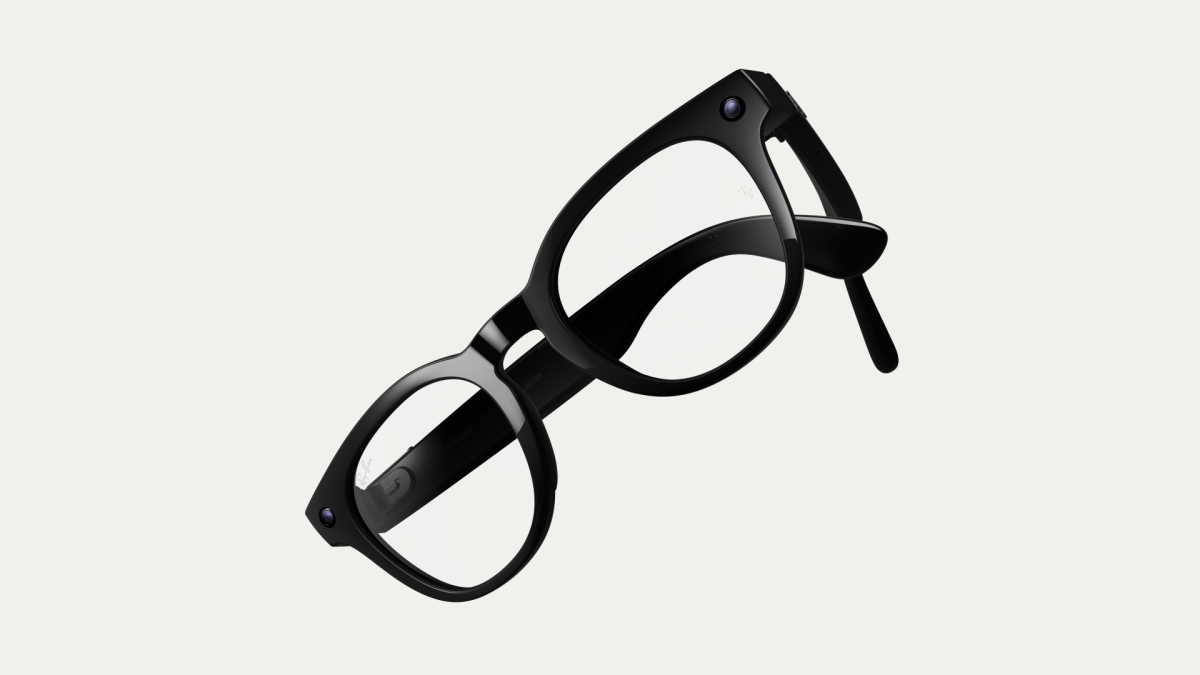
Meta announced at Connect on September 23 that holographic avatars are coming to its new VR glasses and Meta Ray-Ban Display frames. Engadget
The announcement covers two versions with different setup methods. For the Display glasses, you build the avatar in the Meta AI app. You scan your face with a phone camera from several angles, then answer spoken questions so the system records how your voice sounds in different situations.
Setup takes about five minutes. The phone does all the capture work. No headset or special booth is required. That effort is similar to setting up Face ID.
Once it is ready, the Display-glasses avatar can join video calls on WhatsApp or Zoom while you wear the glasses. It runs on the Muse Realtime Avatar model, which estimates your facial expressions from your speech. Meta adds a transparent watermark to all video calls made with an avatar.
The VR-glasses version works differently. It supports full-body avatars. It uses inward-facing cameras and sensors to read facial expressions directly, with no extra training step for expressions. In practice, the glasses rely on a phone scan plus software guesswork, while the VR headset tracks the face live with sensors.
Connect itself kicked off on September 23. Cybernews This work did not start this week. The avatars were teased with the Project Orion AR glasses in 2024. Tom's Guide Meta states its Orion AR glasses let users video call friends and family to appear in the room beside them. Meta
The broader context here is about system design, not just appearance. Meta keeps the initial scan simple and moves the hard work to runtime inference, the live calculations the model performs during a call. Technologists will want to watch delay on real networks, accuracy when audio is noisy, and whether full-body images can run within the tight power and heat limits of glasses.
Looking at deployment, the WhatsApp and Zoom support counts. It puts synthetic presence inside calls people already make, not inside a separate VR app. That lowers friction. It also makes proof of origin more important. A transparent watermark is a starting point for a system that can speak in your voice on a live call, but how well that mark survives compression, cropping, and screen recording will shape how much trust it carries.
In my view, the split to watch is first setup versus long-term use. A five-minute phone setup will lead more people to try it. Whether people keep using it will depend on whether the person on the other end accepts an avatar as a stand-in, and whether the system clearly signals it is artificial without breaking the sense of presence. If Meta gets that balance right, live avatars on light glasses could move from demos into routine calls.