Rubio Says No Trump-Iran Meeting Is Planned, but Talks Continue

Secretary of State Marco Rubio said on Sept. 22 that no meeting between President Donald Trump and Iran's president was scheduled, but the U.S. would consider one if it could help ensure Iran never obtains a nuclear weapon.
In an interview with Craig Melvin on NBC News TODAY, Rubio said Trump is willing to meet with anyone because he believes talking directly helps solve problems. The State Department published the interview as "Secretary of State Marco Rubio with Craig Melvin of NBC News Today" State Department transcript. He said Washington is open to a meeting with Iran's president if it offers a chance for something positive on that nuclear goal.
Rubio also described the current channel to Tehran as direct. He said the latest talks with Iranian officials were face to face, and he declined to name the mediator — the third party helping to arrange contact — involved Iran International. He repeated that no meeting is scheduled.
Iranian foreign ministry officials had signaled openness to restarting negotiations with the U.S., according to reporting published July 20. That reporting came before the September interviews.
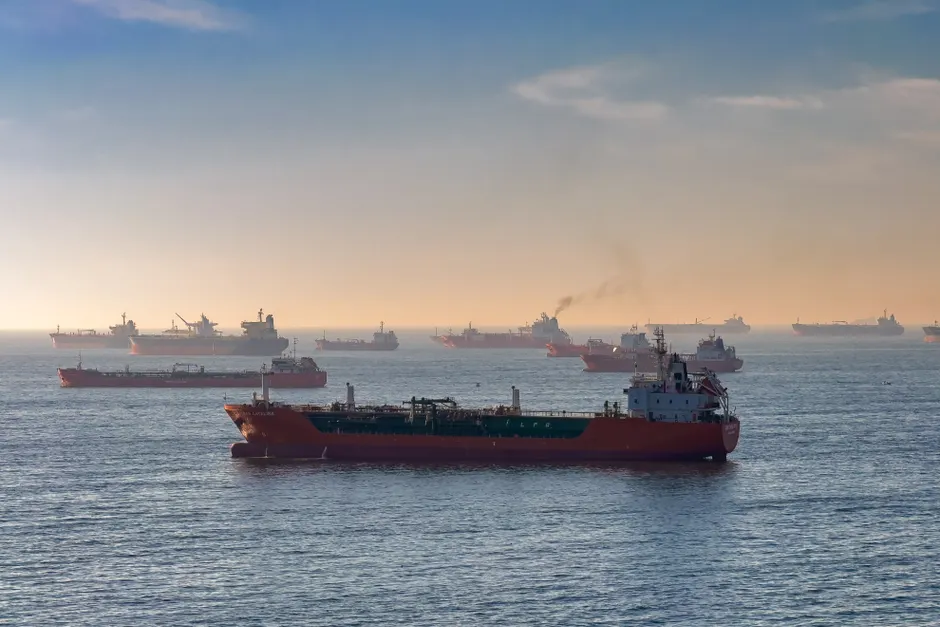
On energy and security, Rubio spoke about the war with Iran and its effect on oil and gas prices TODAY. In the Sept. 22 interview, he said the U.S. military had cleared mines from the southern lane in the Strait of Hormuz — the narrow waterway used to ship much of the world's oil — and that the amount of oil moving through was increasing every day. He argued prices would be double if Iran had a nuclear weapon, because then, in his words, no one could touch Iran.
In the same Tuesday interview with Melvin, Rubio defended President Trump's banning of media organizations.
The broader context here is that three tracks usually kept apart are being joined. A possible leaders' meeting, working-level talks with an unnamed mediator, and safety in the shipping lane are described as steps in one sequence. It is a bit like agreeing to a big meeting only if early talks go well.
In my view, watchers will focus closely on the Hormuz claim. Daily transit amounts give a measurable way to check claims about easing tensions. What comes next depends on whether the private channel produces terms both sides view as enough to move contact to a higher level.