Rubio Tells ASEAN: US Open to Iran Talks, but Tehran 'Not Serious'

US Secretary of State Marco Rubio told an ASEAN meeting in Manila on July 22, 2026, that Washington remains open to negotiations with Iran but accused Tehran of not being serious about talks. His remarks came as the US launched attacks against Iran for an eleventh consecutive night and President Donald Trump renewed threats the previous day to strike Iran's nuclear facilities at Natanz (Al Jazeera).
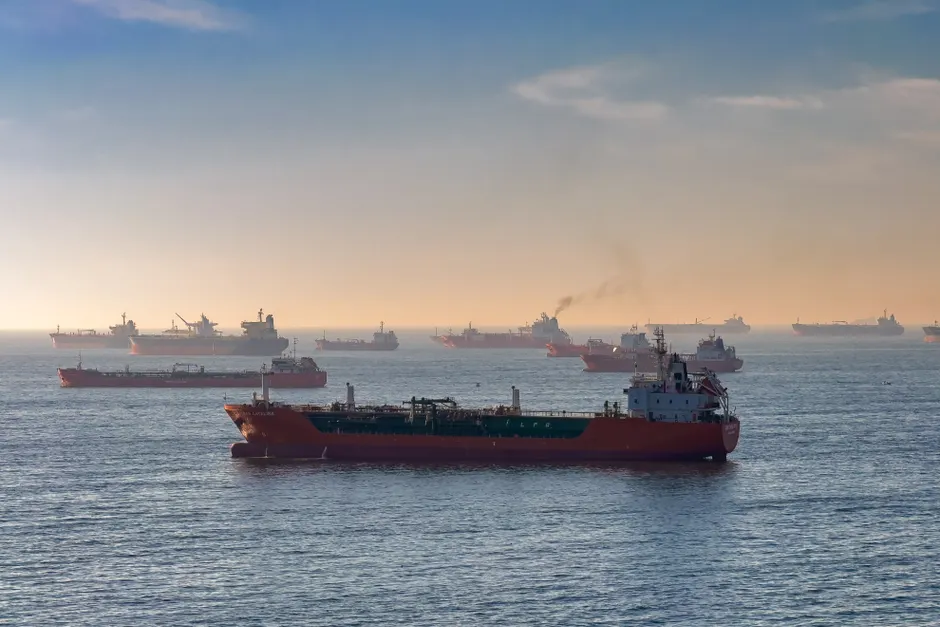
Rubio's most pointed comments centered on the Strait of Hormuz, a narrow waterway between Iran and Oman through which roughly one-fifth of global oil shipments pass. He said Iran demands the right to control transit through the strait and called that demand unprecedented under any existing legal framework. Iranian control over the waterway, Rubio argued, would set a dangerous precedent for international shipping lanes. Iran has separately demanded that all ships using the strait travel through a channel close to its shores (Reuters.
The exchange over the strait is not abstract. Iran fired at tankers in the Strait of Hormuz earlier in July, and US attacks on Iran occurred off Bandar Abbas on July 12 (AP News). Those incidents triggered a cycle of escalation that has now produced sustained American military action. According to an Iranian health ministry official, fifty people have been killed and 500 wounded in the recent US attacks.
The nuclear dimension sharpens the stakes considerably. Iran's Khatam Al-Anbiya military command stated it would consider an attack on its nuclear facilities as an expansion of war in the region and warned of potential strikes on all interests of the United States, its allies, and supporters. Trump's July 21 threat to target Natanz directly raises the prospect of crossing that declared threshold.
Rubio's framing in Manila, coupling an open door for diplomacy with a public verdict that Iran is not engaging seriously, tracks with earlier waypoints in the confrontation. In late May, he said the United States had seen some progress toward a deal but that more work was required (Reuters. Technical talks subsequently concluded in Doha, Qatar, focused on the Strait of Hormuz, with an initial deal calling for both sides to allow shipping to resume through the waterway (Reuters). Those arrangements have not held.
The broader context here is a negotiation track that has narrowed in scope but widened in coercive instruments. The Doha framework addressed a specific functional problem — restoring shipping through Hormuz — and did not resolve the underlying security disputes between Washington and Tehran. With that limited agreement fraying and military strikes now in their second week, the diplomatic channel Rubio referenced in Manila has no publicly visible structure, timeline, or mediator attached to it. The ASEAN platform itself is incidental; it gave Rubio a regional audience for statements that were principally directed at Tehran and at allied governments concerned about shipping disruptions.
What remains unresolved is whether the gap between Washington's stated openness to talks and its simultaneous military campaign, including threats against Natanz, is intended to coerce Iran toward a deal or signals a shift away from diplomacy altogether. Iran's Khatam Al-Anbiya statement, treating any strike on nuclear facilities as a regional escalation trigger, establishes a red line that the Trump administration is now openly contemplating crossing. The Strait of Hormuz remains the chokepoint where all of these threads — energy security, freedom of navigation, and the credibility of deterrence — converge.