Rubio's Iran Posture Hardens Through 2026: Diplomacy With Conditions, Strikes Without Pause

On July 20, 2026, Secretary of State Marco Rubio said Iran is using the Strait of Hormuz as leverage, urged other countries to take a more active role, and reiterated that the United States remains "open to diplomacy" — but stressed that "it has to be real, it has to be a deal" of substance. ABS-CBN News
The remarks came amid ongoing US military strikes against Iran. Rubio had signaled a similarly open posture on or around July 18, when he said Washington remained open to diplomacy even as strikes continued, and again on a Sunday in mid-July, when the US military launched a ninth consecutive night of operations. Iran International Hiru News
This dual-track approach — military strikes paired with an open diplomatic channel — has been a consistent feature of the administration's Iran policy throughout 2026. In February, a State Department transcript recorded Rubio stating that "the President's made clear he prefers diplomacy." The White House reinforced that line on February 24, saying President Trump's first option on Iran was diplomacy, and Reuters reported that same day that Rubio was expected to brief US lawmakers on the subject. State Department Reuters
By late May, the administration's framing had sharpened. On May 22, Rubio said the United States had seen some progress toward a deal but that more work was required. Three days later, on May 25, he drew a harder line, saying the US would either have a good agreement with Iran or deal with the country "another way." Reuters Reuters
On June 2, as the war entered its fourth month, US lawmakers grilled Rubio on Iran during what was evidently a congressional hearing. Rubio insisted that any sanctions relief — the easing of economic penalties — would be tied to Tehran giving up its nuclear program, establishing a clear quid pro quo: Iran's nuclear ambitions in exchange for economic relief. Reuters
Later that month, Rubio traveled to the United Arab Emirates, Kuwait, and Bahrain from June 23 to 25, according to the State Department's public schedule. Reuters had reported on June 22 that the trip's purpose was to discuss an Iran deal with Gulf allies, signaling that the administration was actively consulting regional partners on the contours of a potential agreement. State Department Reuters
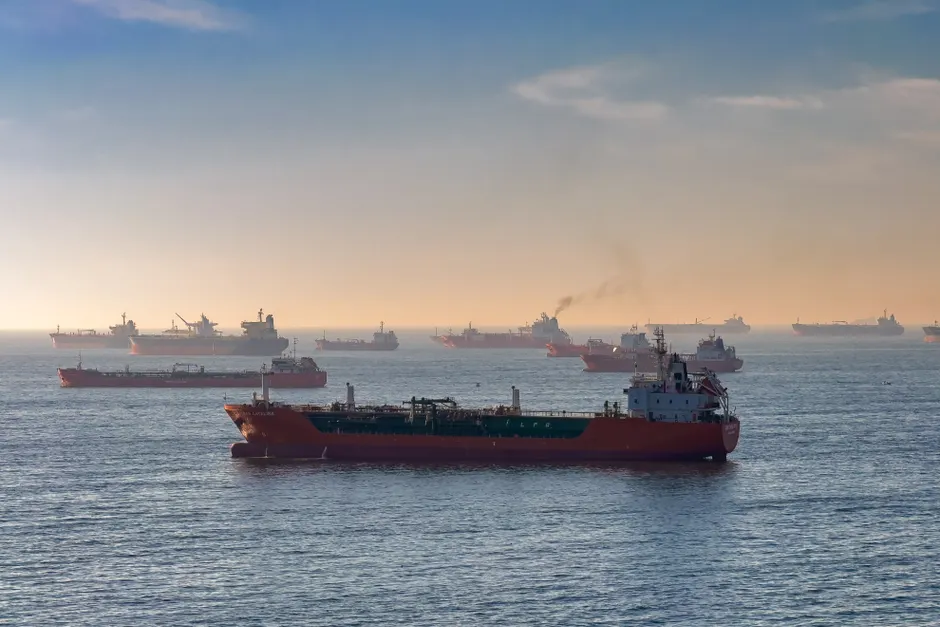
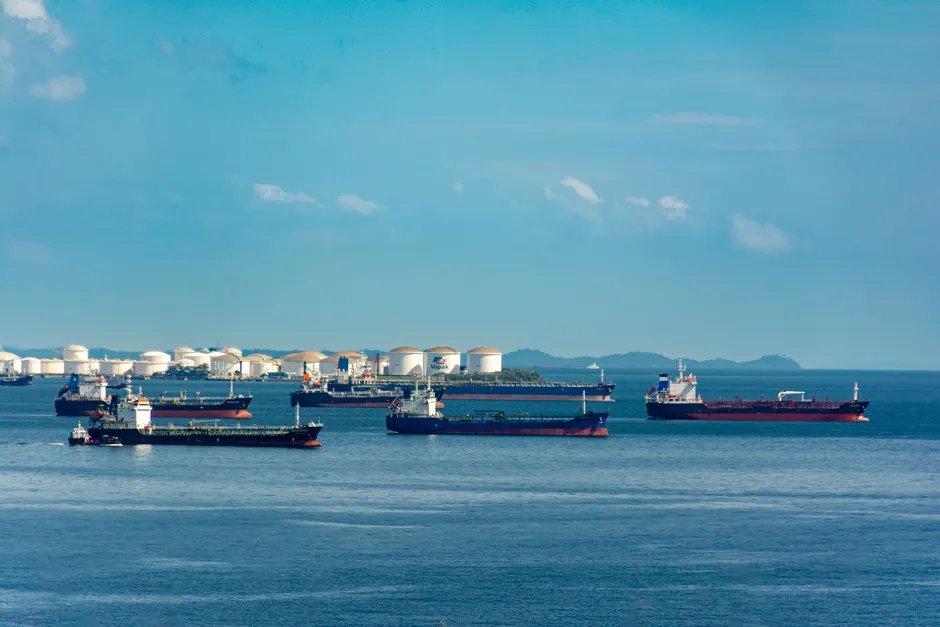
Rubio's July 20 invocation of the Strait of Hormuz adds a maritime dimension to the administration's public posture. The strait is a critical chokepoint for global oil shipments — roughly a fifth of the world's petroleum passes through it. By framing Iran's behavior there as leverage, Rubio is implicitly broadening the crisis beyond the bilateral US-Iran nuclear dispute and casting it as a threat to international commerce, which may explain his call for other countries to "step up." The remark also signals that Washington is looking for burden-sharing from allies and partners who depend on the free flow of Gulf shipping.
The trajectory of Rubio's statements across the year reveals a gradual hardening of conditions. In February, the message was a simple preference for diplomacy. By May, he was introducing binary outcomes: a good agreement or unspecified alternatives. By June, the condition was explicit: sanctions relief would require Iran to abandon its nuclear program. Now in July, the qualifier is that any diplomacy "has to be real, it has to be a deal" of substance, a formulation that leaves the administration room to reject an arrangement it considers inadequate while still nominally keeping the door open.
What remains unclear from the public record is whether Iran has signaled any willingness to accept the condition Rubio outlined in June, namely the complete abandonment of its nuclear program in exchange for sanctions relief. The Gulf consultations in late June suggest the administration is at minimum working to align its regional partners behind its negotiating framework before any formal engagement with Tehran.