Trump to Press Xi on Two Americans Detained in China

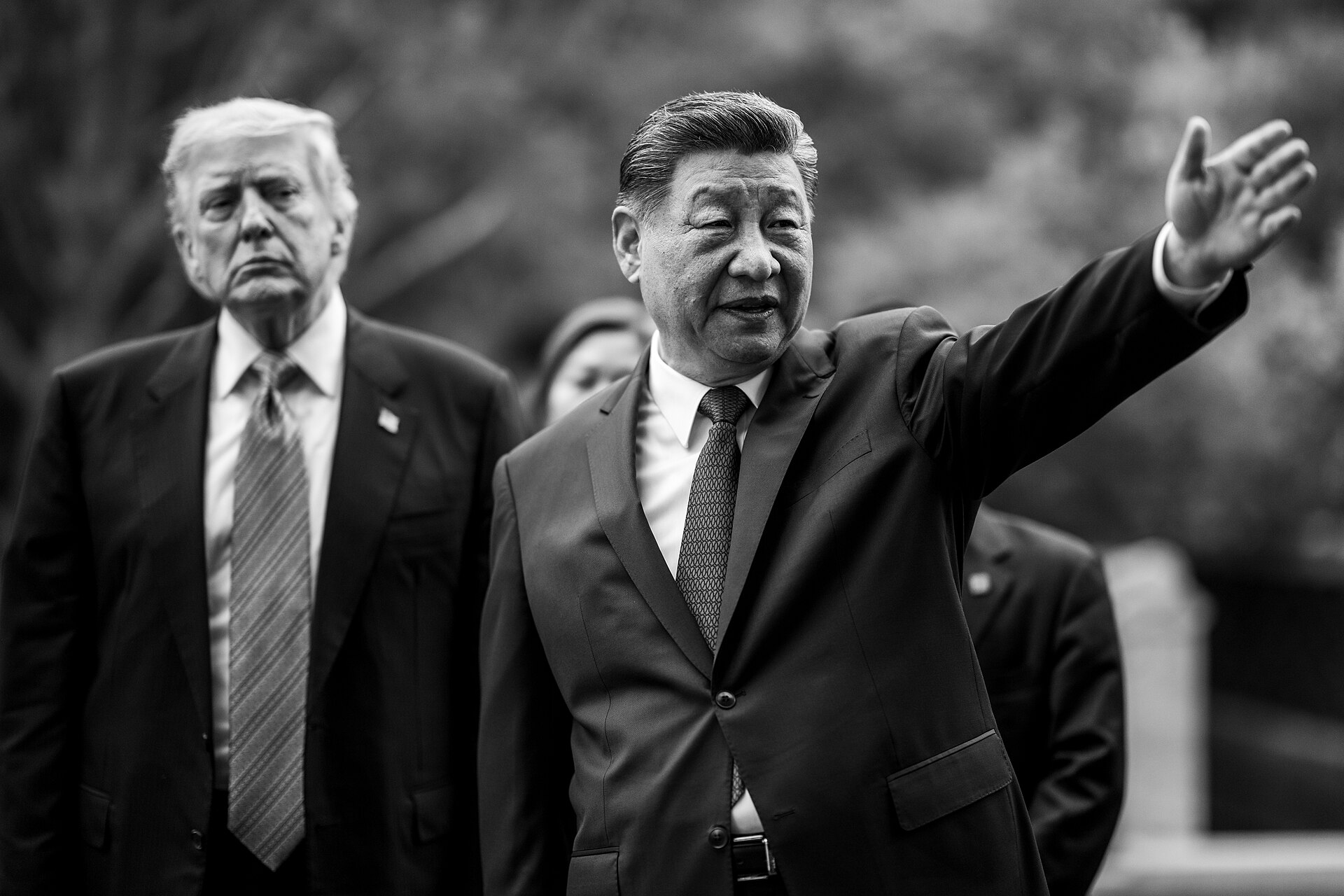
President Trump is expected to press Chinese leader Xi Jinping on Americans detained in China when the two meet in the Washington area.
The White House has said Trump wants every American detained abroad to return home, according to the Associated Press. Two names are now central. The State Department says two U.S. citizens in China, U Min Zin and Dr. Youlin Chen, are wrongfully detained — a formal label for cases Washington treats as unfair or political — in a determination outlined by the State Department.
U Min Zin is a UC Berkeley alumnus detained in China, as reported by The Daily Californian. He is a scholar who studied Myanmar, according to The New York Times. U.S. Assistant Secretary Dylan Johnson issued a statement on the wrongful-detention designation for Min Zin. Youlin Chen is a seismologist, a scientist who studies earthquakes, according to The Daily Californian. Chen was detained in Beijing, according to The New York Times.
Rep. Chris Smith has urged Trump to confront Xi about Americans jailed in China, according to a House statement. That statement puts the wider population at as many as 300 Americans detained in China. That number is separate from the two formal wrongful-detention designations. The State Department's Bringing Americans Home page reports 112 Americans held abroad as hostages, wrongful detainees, or under concerning circumstances have been brought home, according to the State Department.
Trump planned to greet Xi at the airport on his arrival in the Washington area, according to Reuters. China's ambassador to the U.S. said Taiwan and human rights are 'red lines' for China ahead of the Trump-Xi meeting, according to Reuters.
The broader context here is the friction between helping detained citizens and managing a summit. A wrongful-detention designation shifts a case to the Special Presidential Envoy for Hostage Affairs process and signals Washington treats it as state action rather than ordinary criminal procedure. Elevating names to the leader level can concentrate decision-making on the Chinese side. It can also bundle humanitarian outcomes with unrelated files, from trade to technology controls to Taiwan.
Looking at what this means for the Washington encounter, the structure creates parallel incentives. Releases before or during summits have served in U.S.-China practice as deliverables that require no policy concession. Congressional pressure for linkage is already visible in Smith's appeal. The planned airport greeting points to White House interest in personal rapport. Beijing's 'red lines' formulation points to interest in limiting the agenda.