Meta Glasses and Instagram Ranking: What Zuckerberg Said

Mark Zuckerberg spoke to Alex Heath on the Sources podcast in an episode published Sept. 24, 2026. Meta declined The Verge Decoder's request to have Zuckerberg appear on Decoder. The Verge
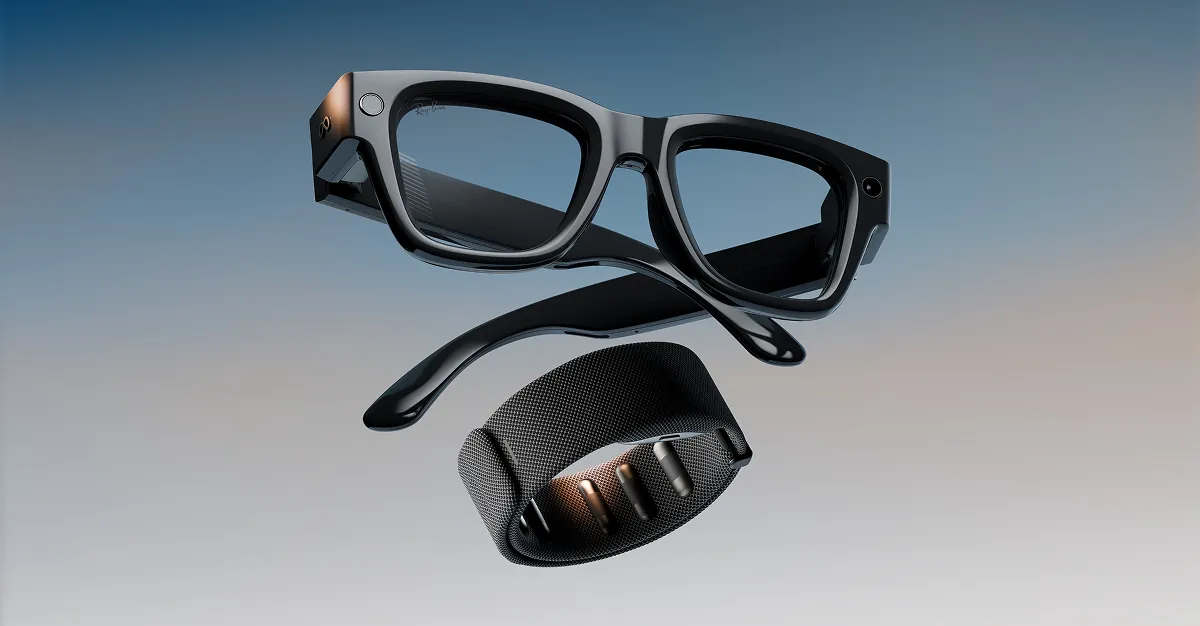
In that interview, Zuckerberg said Meta feels quite good about Meta Glasses. He compared the glasses with phones, saying "phones don't have a light and people go around recording people all the time." The Verge
He also said Instagram started down-ranking videos made with Meta Glasses, showing them to fewer people, to provide less incentive to make harassing videos. The Verge
Zuckerberg previously said he mostly uses the new Meta Ray-Ban Display glasses to send text messages. He said that in an interview published Sept. 17, 2025. The Verge
The Verge published a feature titled Can you forget how you feel about Meta? by Mia Sato and Victoria Song about Mark Zuckerberg, glasses, AI and Instagram. It was published Sept. 22, 2026. The Verge The Verge also published a Decoder mailbag episode titled Why the current tech backlash feels different, answering questions about surveillance, AI coverage, midterms and data centers. That episode was published Sept. 10, 2026. The Verge
The broader context here is a shift in where product risk gets handled. The recording indicator is a hardware affordance, a physical design feature visible in the real world. Down-ranking is a distribution control, a feed decision that operates inside Instagram. Meta is using both at once.
In my view, that combination will be familiar to anyone building camera systems, social graphs, or trust and safety tooling. An LED signals capture to bystanders. It does not constrain what happens after capture. Ranking can reduce the reward for a category of content without removing that content. Engineers understand the tradeoff. Hard interlocks are brittle. Soft incentives are flexible but opaque. Zuckerberg is describing a system that leans on both.
Looking at what this means for builders, the interesting questions are operational. How is a Glasses video identified for ranking. Is it file metadata, account linkage, self declaration, or classifier inference, an automated guess from the video itself. How durable is that signal against re-encoding or re-upload. How does the team measure whether reduced distribution actually reduces capture behavior in public, rather than moving the same behavior to other surfaces. Those are not abstract policy questions. They are pipeline and measurement questions.
Worth flagging is how norms form around new capture devices. I watched my own children grow up as phone cameras moved from novelty to background fact of public life. The social rules did not come from spec sheets. They came from awkward encounters, school policies, and quiet consensus. Glasses with an indicator light enter that same negotiation. A light helps. It does not settle expectations about recording in gyms, protests, classrooms, or conversations. The technology arrives first. Etiquette catches up.
For the longer arc, the practical use case still matters more than the controversy cycle. Text messaging from a face-worn display is unglamorous. It is also the kind of low-friction task that determines whether a form factor survives. If sending a short message is faster and less socially costly on glasses than pulling out a phone, people will keep wearing them. That creates the installed base on which more ambitious applications can later be built.