Why Young Men Are Fleeing Tigray as War Fears Grow
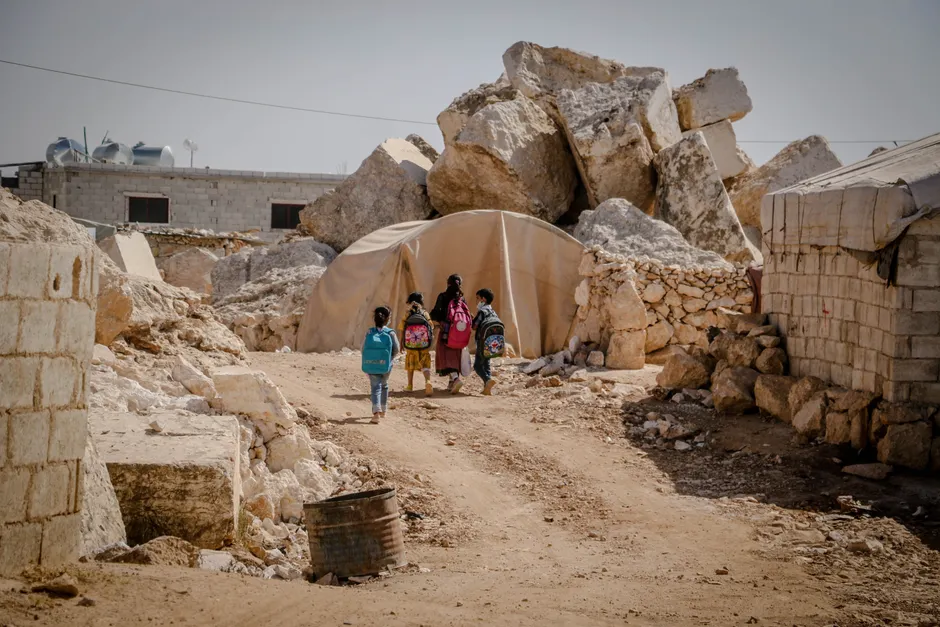
Young men are leaving Tigray because they fear forced recruitment as political and military tensions rise in northern Ethiopia. Accounts gathered on Sept. 25, 2026 describe youths leaving villages and neighborhoods before they can be seized. The flight is precautionary.
Ethiopia's federal government and the Tigray People's Liberation Front (TPLF) accuse each other of military mobilisation, meaning building up troops and weapons for possible fighting. Heavy fighting was reported near Ethiopia's border with Sudan in August Al Jazeera.
Human Rights Watch reported in July that Tigrayan authorities and forces had forcibly recruited civilians, including children as young as 15, since at least April. Its documentation covers former combatants and other men and boys taken from streets, homes, workplaces and gold-mining areas. The group described the pattern as systematic roundups, not isolated drives Human Rights Watch.
That report was published on July 6, 2026. Summaries in regional press said it framed the abduction and forced recruitment of children as preparation for renewed war. Two weeks earlier, on June 23, Human Rights Watch had called on Tigray's regional authorities to withdraw a proclamation, a regional law, that gave officials sweeping powers to compel compliance.
These events fall under the November 2022 Pretoria Agreement, brokered by the African Union, which ended two years of war between the federal government and the TPLF. The deal stopped large-scale combat. It left three issues unresolved: contested territory, the return of displaced people, and the disarmament of Tigrayan forces, meaning the process of laying down weapons.
Gebru, 27, said he was taken with other young men to a local administration office. He was released after his parents paid 20,000 Ethiopian birr ($123). He then left Tigray for Addis Ababa because his parents feared he would be taken again.
Reuters reported in May 2022 that authorities in Tigray were forcing young people to join the fight against Ethiopia's central government Reuters. That precedent came before the Pretoria deal.
The broader context here is the gap between stopping fighting and settling the dispute. Pretoria was a cessation of hostilities, a halt to large battles, like hitting pause. It was not a full political settlement that fixed borders, returns, and disarmament. In my view, that pause without settlement helps explain why mobilisation warnings turn so quickly into civilian fear, even with no declared return to war. The mutual accusations show a breakdown in trust around demobilisation, the breakup of forces, and force posture, where troops stand. Without agreed boundaries, without completed disarmament, and without large-scale returns, each side keeps both motive and means to hold manpower. Civilians sit between those needs. Detention like Gebru described fits that pressure, serving as a recruitment channel that also extracts money. The 2022 precedent shows how fast that pressure can fall on youth when confrontation with Addis Ababa sharpens.
Looking at what this could mean for diplomats and humanitarian planners, three variables deserve close tracking. The first is whether recruitment remains localized and deniable through administration offices and informal roundups, or shifts to overt call-ups. The second is whether contested areas and displacement corridors become friction points used to justify further force accumulation. The third is whether African Union monitoring and federal-regional communication channels can verify mobilisation claims before they harden into preemptive action. None of these dynamics need a formal declaration to harm civilians. The departures themselves already signal erosion of confidence in protection.