Trump's Eagle Statue for Xi: A Standard Gift Before a State Dinner

President Trump gave Chinese leader Xi Jinping a statue of a bald eagle ahead of a White House state dinner. The exchange was reported on Sept. 25, 2026. New York Times
The statue shows a bald eagle perched on a branch atop a podium, as described in Sept. 25 summit coverage. New York Times It is realistic and compact, made for a leader-to-leader handover.
The New York Times described the statue as Trump's go-to gift for diplomatic occasions in his second term.
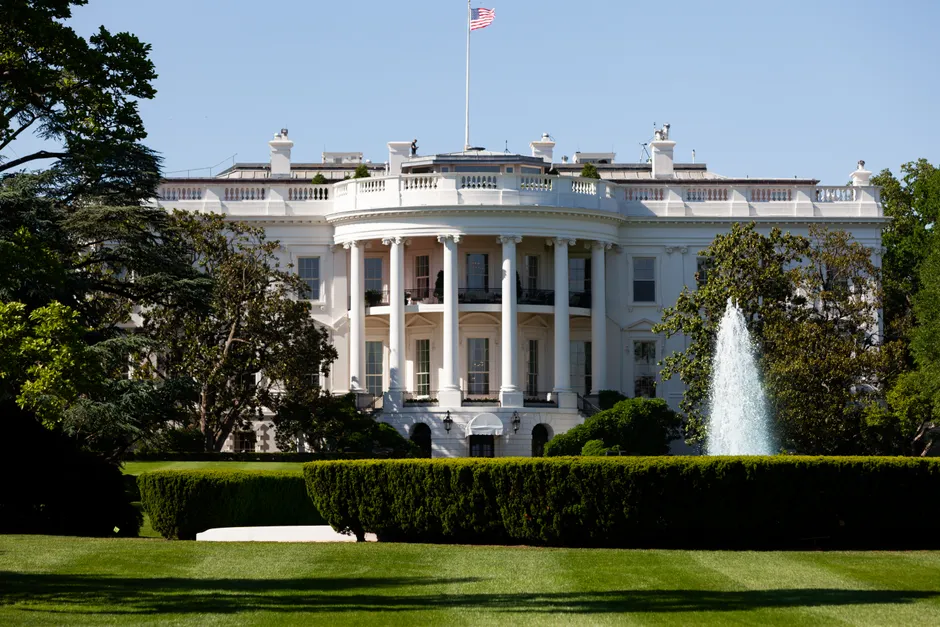
The White House tracked the ceremonial program separately. Its news page listed a September 25, 2026 briefing titled "First Lady Melania Trump Highlights Art, Culture, and the Next Generation During State Visit of President Xi Jinping and Madame Peng Liyuan." It also listed two September 24, 2026 briefings. One was titled "First Lady Melania Trump and Madame Peng Liyuan Visit Smithsonian National Museum of Asian Art Highlighting Sino-American Artwork, Culture, and the Next Generation." The other was titled "First Lady Melania Trump Releases Details on the State Dinner with His Excellency Xi Jinping, President of The People’s Republic of China, and Madame Peng Liyuan." White House
The broader context here is how modern state visits divide into two tracks. One track is formal talks between leaders. The other is hospitality and culture, often led by spouses, which shapes the public story. The briefings place art, culture and the next generation in that second track, alongside advance details of the state dinner, a formal banquet used as diplomacy. The order is normal for practitioners. Details come first. Symbolism follows.
In my view, reuse should not be mistaken for inattention. Using the same gift brings continuity across meetings and avoids the complications of a one-of-a-kind choice, including questions of value, provenance or origin, and reciprocity or the expected return gift. It works like a standard form letter, steady on the outside so attention stays on the talks inside. A national bird is easy to read without translation. It speaks in the giver's symbols, not the recipient's. That approach favors clarity and control over personalization, and leaves the policy message to the closed-door talks and the public communique, or joint statement, that follow.