27 Killed in Weekend Shootings Near Johannesburg and Cape Town

At least 27 people were killed in two separate mass shootings near Johannesburg and Cape Town, South African police said.
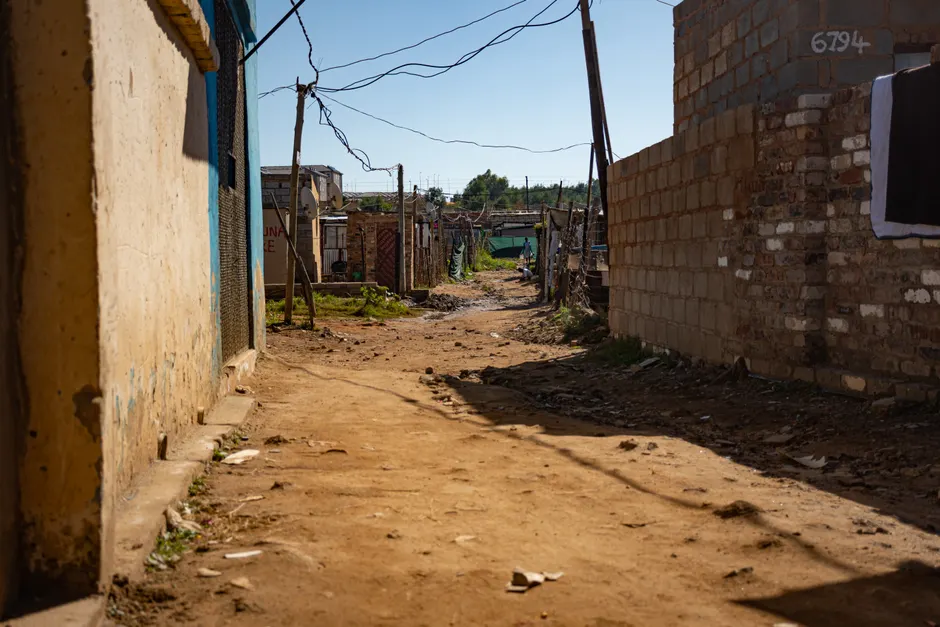
The first attack happened on Saturday night in Wedela township, south-west of Johannesburg. Police said eight suspects armed with AK-47 rifles and pistols opened fire at a bar, killing 17 people, as reported by The Guardian. At least 15 others suffered gunshot injuries. No arrests had been made.
The second shooting took place at about 1am on Sunday, 27 September, at a store in Lwandle, near Cape Town. Ten people were killed and 11 others were wounded. Police said they were searching for multiple suspects but did not give an exact number.
The South African Police Service on 27 September 2026 listed a media statement titled 'Gauteng police launch manhunt after 17 people killed in Wedela tavern shooting'. A manhunt means an intensive police search for suspects still at large. Police said no arrests had been made in either the Wedela or Lwandle shootings.
The two attacks followed another mass killing days earlier near Durban. Police said three gunmen killed 11 people, including a pregnant woman, at a house party. Three others were wounded in that attack, according to Associated Press reporting carried by KGW and Wink News. That shooting was reported on 23 September 2026, as documented in Reuters video reporting.
Taken together, the three incidents left 38 people dead across three provinces within days.
The geography here is important to understand. Wedela, Lwandle and the Durban-area site are far apart and fall under different provincial commands, the regional police structures for each area. Investigators will have to determine whether there are any links in method or motive, or whether the clustering in time is coincidental.
The broader context here is the policing challenge these attacks create. Taverns, small stores and private gatherings are numerous, open late, and often crowded, much like concert venues with many doors and no fixed security. When attackers arrive in numbers with military-pattern rifles, which fire fast and cause severe injuries, casualty counts rise quickly. That places the burden on rapid response, witness cooperation and follow-up investigation rather than guarding each site in advance.
Looking at what this means for the inquiries, the immediate variables are clear. Suspects remain at large in both weekend cases. Police have released a suspect count in Wedela but not in Lwandle. With 15 wounded in Wedela and 11 in Lwandle, hospitals and forensic teams, the crime-scene and medical specialists, in Gauteng and the Western Cape are handling parallel caseloads. Coordination between the two manhunts, and with the earlier Durban-area investigation, will test information-sharing across jurisdictions.
In my view, the questions professionals should watch are procedural and political. How quickly police move from manhunt statements to identifications and arrests. Whether provincial authorities adjust licensing enforcement, operating hours or visible patrols around late-night venues. And how national leadership frames the sequence, as three high-casualty shootings in quick succession, each requiring its own investigative track while contributing to a wider debate about firearms availability and enforcement capacity.