Two Mass Shootings in South Africa Kill 28: What We Know So Far
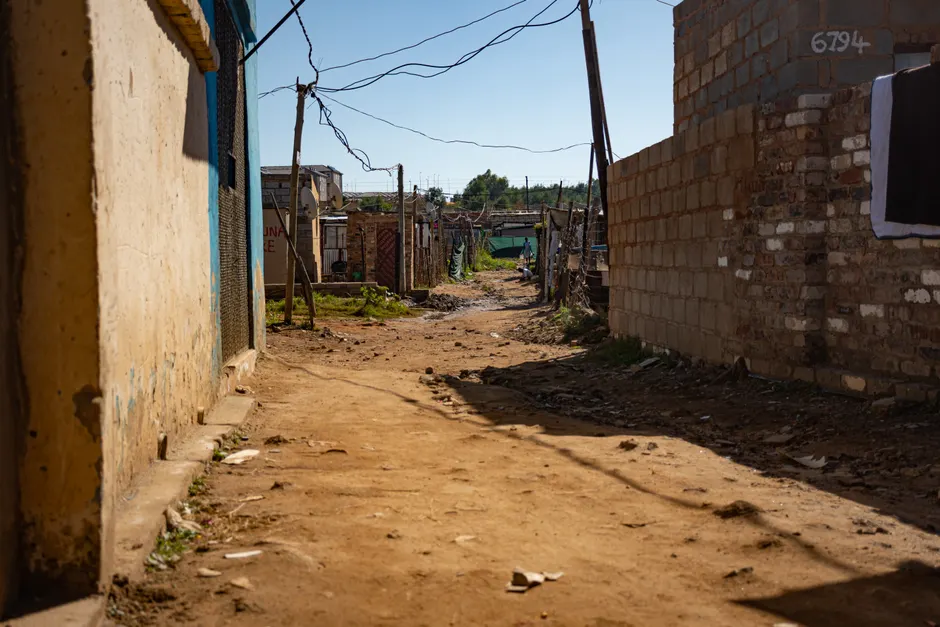
Two mass shootings in South African townships hours apart killed 28 people in two urban centers. The toll was reported on Sept. 27. BBC
Police had first put the combined death toll at at least 27. That figure was reported on Sept. 26. WSLS The number changed quickly in early updates.
Seventeen of the dead were killed near Johannesburg. The Guardian The South African Police Service identified that incident as a tavern attack in Wedela, Gauteng. It published a media statement titled "Gauteng police launch manhunt after 17 people killed in Wedela tavern shooting" dated 2026/09/27. The second shooting was in another major city. CBS News reported that the two attacks took place in South Africa's two main cities.
Early reports on the wounded also differed. The BBC reported fourteen more people were injured in the two shootings. BBC Separately, Al Jazeera reported more than 20 people were wounded in the two township shootings, according to police. Al Jazeera Both counts were published on Sept. 27.
Gauteng police launched a manhunt after the Wedela tavern shooting. The police newsroom lists the statement under Gauteng province. The verified material contained no suspect identifications.
Separately, police have publicized recent actions against drugs and illegal firearms. In a statement published on 2026/08/14, Operation Prosper members seized drugs and arrested eight suspects within a 24-hour period. Another listing describes an intelligence-driven operation that led to the arrest of four suspects and recovery of illegal firearms near Rustenburg. A further listing describes a dealer arrested with five firearms, ammunition and drugs. Except for the Operation Prosper statement, the newsroom search showed no publication dates for those items. They do not refer to the Sept. 27 shootings.
The broader context here is one police planners know well. Tavern shootings in townships, densely populated urban areas, pose a tough investigative problem. Witness pools are large but often reluctant to speak. In the first hours, crime scenes often yield ballistics evidence and little else. When two high-casualty scenes open almost at once in different metros, forensic, detective and patrol resources must split like one fire crew sent to two fires. That complicates chain of custody, witness protection and early suspect containment.
Looking at what this means for the investigation, the next steps are procedural. Manhunt announcements in Gauteng often come before suspect profiling, CCTV and cellphone record requests, and appeals for community tips. Recovery of weapons will matter more than initial arrest numbers. Tracing whether the firearms were licensed, stolen, converted or shared across criminal networks will shape whether prosecutors frame the cases as isolated revenge attacks, robbery-related killings, extortion enforcement or organized-crime signaling. For policymakers, the parallel reporting on drug seizures and illegal firearm recoveries points to the lever likely to be debated next: targeted operations against circulation rather than general patrol increases alone.


