27 Killed in Two South African Tavern Shootings: What Police Know So Far

At least 27 people were killed in two mass shootings in Cape Town and Johannesburg, and South African police launched a manhunt for the suspects. DW ABC
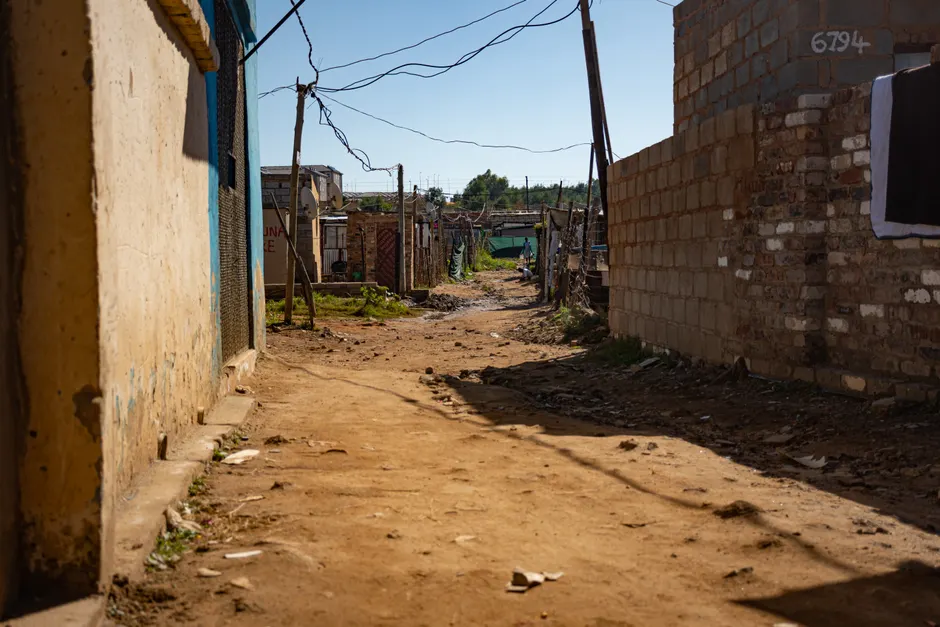
Seventeen people died in Wedela. They were found dead at a tavern southwest of Johannesburg, which police identified as Wedela township, a local term for a residential community outside the city. Reuters Police said on Sunday, September 27, 2026, that they had launched a manhunt, an organized search, after the 17 were killed in the Wedela tavern shooting. Reuters
The South African Police Service published a media statement titled "17 people killed in Wedela tavern shooting" dated 2026/09/27. The listing appears in the SAPS newsroom index. The formal statement gives the police record for the Wedela death toll and township location, while national and international reporting carries the combined figure of at least 27 killed across the two cities.
The shootings span two cities. One shooting left 17 dead southwest of Johannesburg. The overall toll reported for Cape Town and Johannesburg together stands at no fewer than 27, which points to additional deaths outside Wedela. Police have described the response in both cases as a manhunt for suspects.
An earlier tavern shooting reported in December 2025 is separate background to the current investigation. At least nine people were killed and 10 others were wounded at KwaNoxolo tavern. BBC About 12 suspects in a white mini-bus and a silver sedan opened fire on patrons at KwaNoxolo tavern in the Tambo section. CBS News Eleven suspects were later arrested in connection with that shooting that left nine people dead. BBC
The broader context here is operational. Two scenes with many casualties in large cities require parallel work: securing each crime scene, interviewing witnesses, and tracking suspects under public pressure. A manhunt announcement means investigators have moved from securing the scenes to following leads, asking the public for help and coordinating between police units to find armed suspects who were still at large at the time.
Looking at what this means for the investigation ahead, the KwaNoxolo sequence offers a limited reference point. In that case, an attack by a group arriving in vehicles was followed within days by multiple arrests. That history does not predict the outcome in Wedela and Cape Town, but it points to the questions investigators now face: how the attackers arrived and left, whether the two September 27 shootings are linked or separate, and what witness accounts and forensic evidence, such as clues gathered in a crowded bar, were recovered. For policymakers and police leaders, the immediate stakes are containing further violence while building evidence-led cases that can reach court.