Starship Reaches Orbit for the First Time With 26 Starlinks
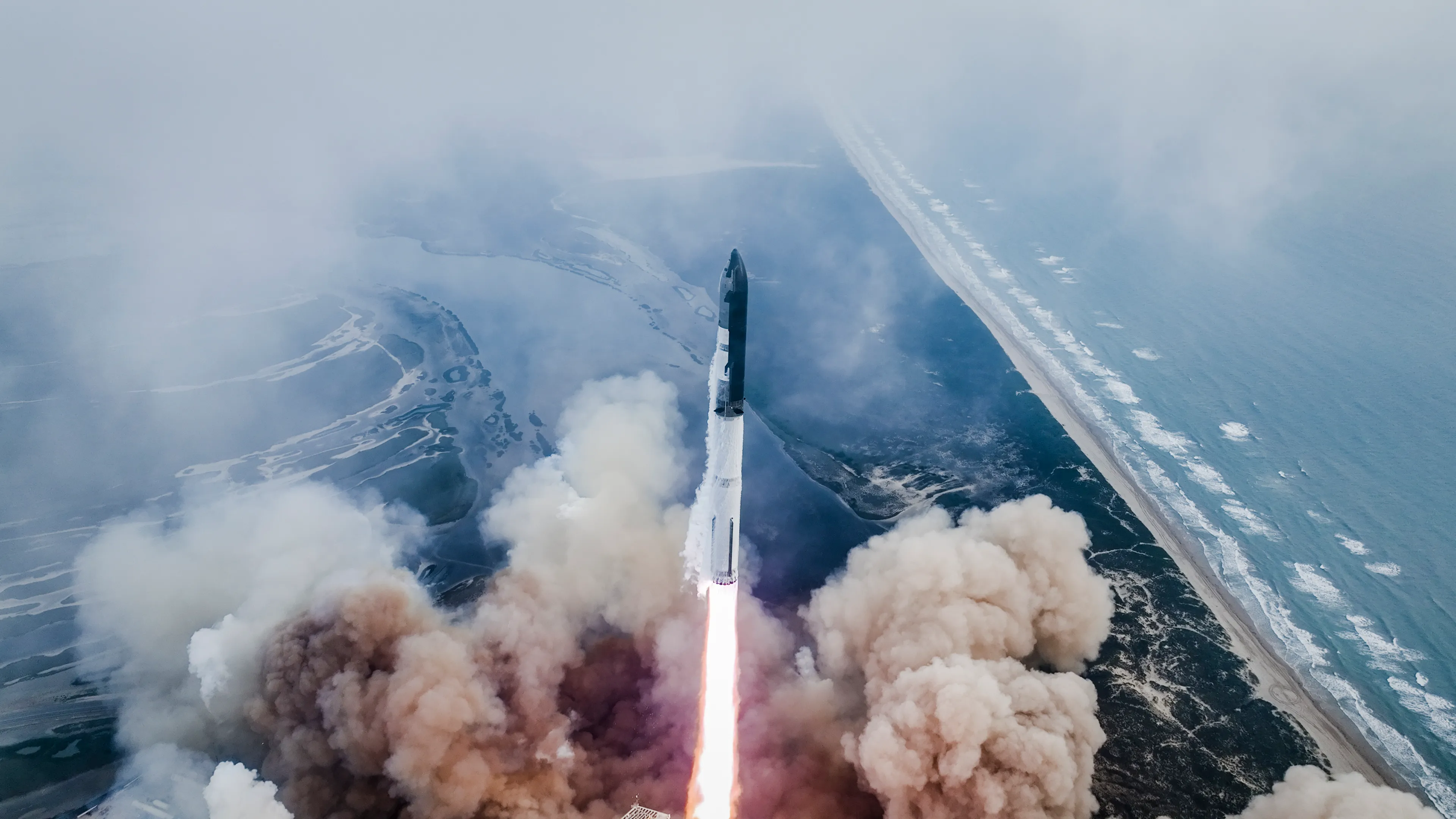
SpaceX's Starship reached orbit for the first time on September 28, 2026, on an uncrewed launch from a base in Texas. Al Jazeera
It was the 14th full-scale Starship launch from Texas's southern tip in three years. One engine shut down early during the climb to space, but the vehicle still made orbit. The plan called for six loops around Earth at 275 km (170 miles) altitude over almost 10 hours, ending with a Pacific splashdown near Chile. The first-stage booster was planned to drop into the Gulf of Mexico rather than return to Starbase.
Starship carried 26 Starlink satellites. SpaceX released them one by one after reaching orbit, with deployment planned at roughly 269 km (161 miles) altitude. U.S. News The satellites were described as next-generation and operational spacecraft, a shift from dummy or dispenser-only payloads on earlier test flights. CNN Starting with Flight 14, SpaceX intends Starship to begin flying orbital missions to deliver Starlink V3 satellites and other payloads to space.
The system pairs the Starship upper spacecraft with the Super Heavy booster. Together they are called Starship. The combined vehicle stands 124 metres (407 feet) tall and is designed to be fully reusable, so both parts are built to fly again like an airliner rather than a single-use rocket. SpaceX describes it as the world's most powerful launch vehicle ever developed, designed to carry more than 100 metric tonnes to orbit in a fully reusable configuration. Development, manufacturing, testing and launch take place at Starbase in Texas, which SpaceX describes as one of the world's first commercial spaceports designed for orbital missions, intended to provide access to destinations in Earth orbit, the Moon, Mars and beyond.
The orbital attempt followed an extended series of shorter suborbital flights and recovery tests. SpaceX had initially targeted September 22, 2026 for the first orbital test flight, pending regulatory approval. Reuters The company salvaged the previous Starship from the Indian Ocean in July before the September flight. Starship's twelfth flight test had lifted off from Starbase on May 22, 2026 at 5:30 p.m. CT. The program's third integrated flight test of Super Heavy and the Starship upper stage had flown from the Starbase orbital launch site in March 2024.
The flight is linked to NASA's lunar program. NASA selected SpaceX to land the next Americans on the Moon under the Artemis program. NASA The HLS Starship variant is designed to land on the Moon, using tested Raptor engines and building on the flight experience of Falcon and Dragon. NASA is working with SpaceX to develop the HLS to carry astronauts from lunar orbit to the Moon's surface and back for Artemis III. Artemis II, in that sequence, was a nearly 10-day voyage around the Moon and the first crewed flight of NASA's Orion spacecraft.
The broader context here is a shift from testing to regular operation. Carrying 26 working payloads to orbit changes how flights are booked, insured, and how often they can launch, especially if SpaceX can repeat this flight path and learn from the long six-orbit coast and Pacific entry. For Artemis planners, reaching orbit and releasing satellites covers one part of the lunar lander task, delivering mass and operating in orbit, while still leaving refueling in space, long-term storage of super-cold fuel, and an uncrewed Moon landing test to be done. For Starlink, Flight 14 points to launching more weight at once with V3 satellites, where timing will depend less on rocket power and more on fast reuse, range and regulatory capacity at Starbase, and precise delivery at low altitude.