Crew-13 Sets a U.S. Speed Record on the Way to the Space Station
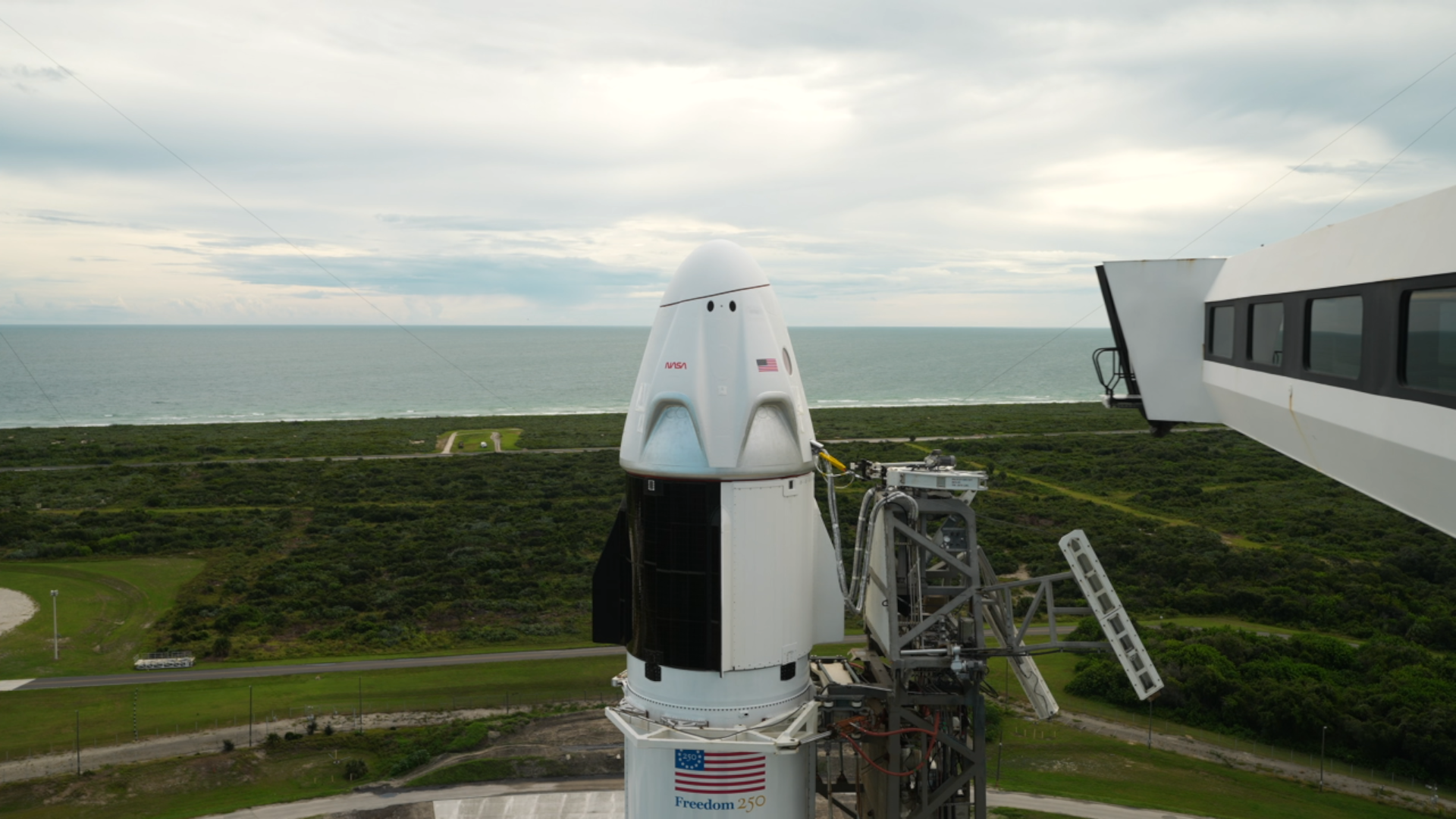
SpaceX launched NASA's Crew-13 mission on Oct. 1, 2026, commanded by Jessica Watkins, with arrival at the International Space Station about eight hours after liftoff.
The flight docked on Thursday after an eight-hour transit. That was the quickest station trip yet for SpaceX and for any American entity including NASA, a U.S. speed record. The preflight plan had called for 7 hours and 50 minutes from launch to docking The Guardian.
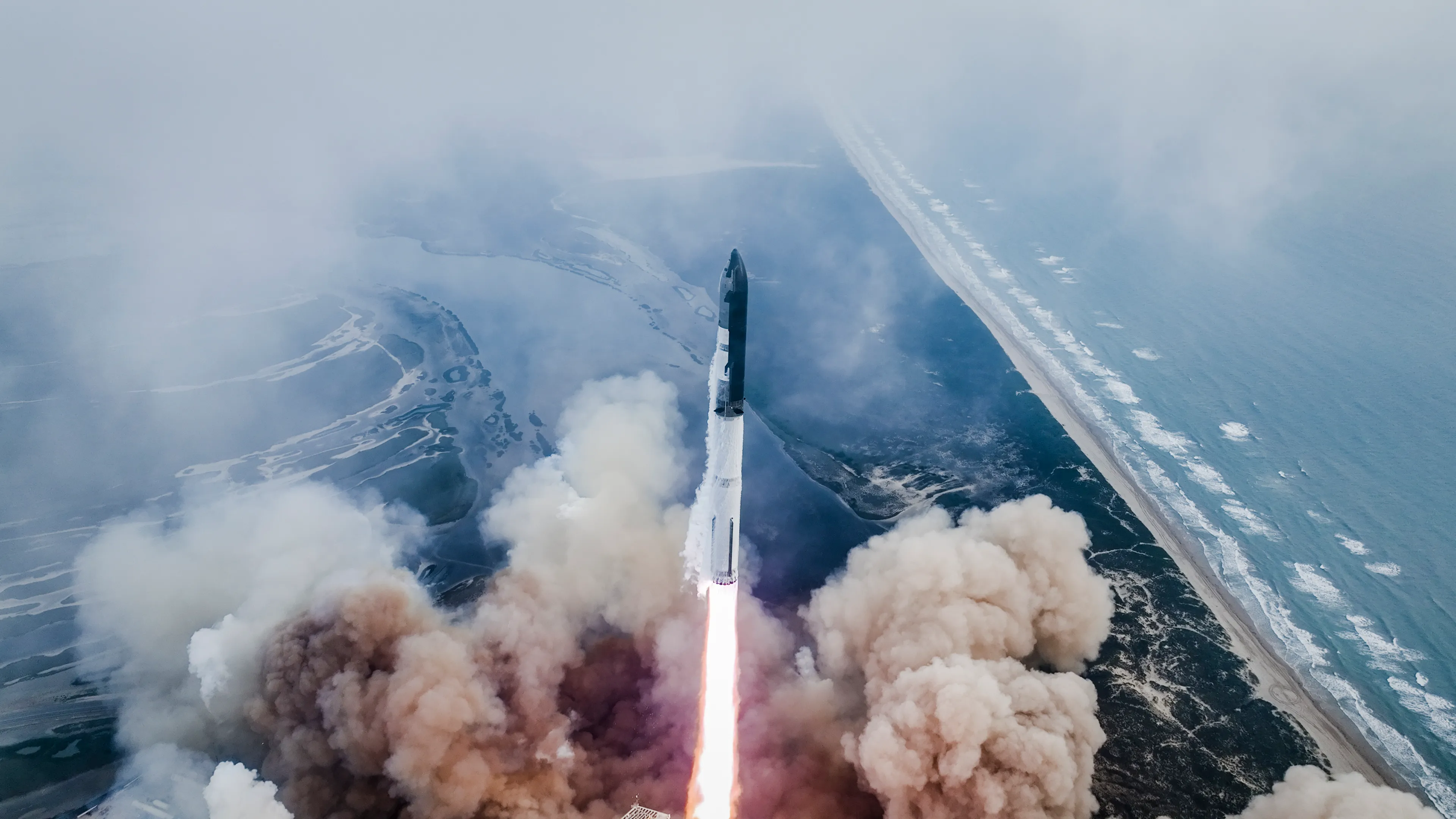
Liftoff came late in the morning from Cape Canaveral Space Force Station aboard a Falcon 9 rocket with a Dragon spacecraft, the capsule where the crew rides. It followed a three-week delay to repair a leaking fuel system on the Dragon. The flight was the 13th crew launched by SpaceX for NASA, not counting the 2020 test flight. The Crew-13 designation pays homage to Apollo 13, the 1970 moonshot.
Watkins, 38, became the first Black woman to lead a crew to orbit. She served as spacecraft commander, with NASA's Luke Delaney as pilot NASA.
The crew comprises Watkins, Delaney, Canada's Joshua Kutryk and Russia's Sergey Teteryatnikov. It will spend six months aboard the station, replacing four astronauts who have lived there since February.
Watkins was selected as a NASA astronaut in 2017. She is making her second trip to the station following a lengthy stay in 2022. A geologist by training, she worked with NASA's Mars rover Curiosity a decade ago.
Delaney is a retired Marine making his first spaceflight. Kutryk is a colonel in the Royal Canadian Air Force. Teteryatnikov is a Russian former submariner making his first spaceflight. Kutryk's wife Heather is due to give birth to their third child in late November while he is in orbit.
The broader context here is continuity under pressure. Commercial Crew rotations, regular crew trips flown by private spacecraft, keep the station crewed through hardware faults, schedule slips and partner changes, like an airline holding its schedule through maintenance issues. A three-week stand-down for a fuel leak is costly. A clean launch and a short rendezvous, the guided approach to docking, help recover margin.
Looking at what this means for station operations, the crew mix matters as much as the transit time. A U.S. commander, a U.S. pilot, a Canadian mission specialist and a Russian cosmonaut preserve the integrated crewing model that has kept the laboratory functioning. Faster rendezvous profiles reduce crew fatigue and consumables use before handover. For program managers, that combination of personnel stability and trajectory efficiency is the practical test.