What happened at Lovely Professional University: What police still do not know
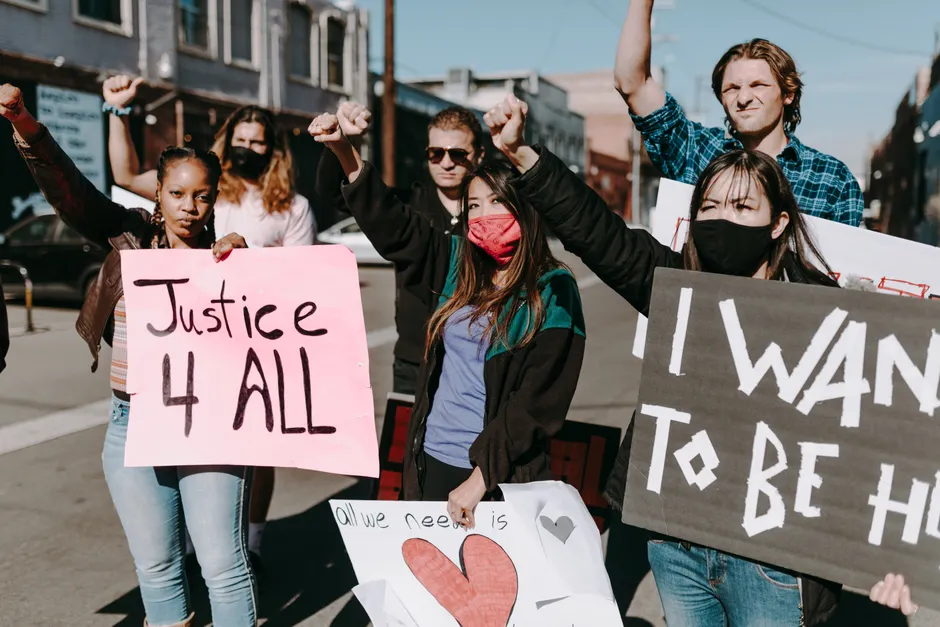
Lovely Professional University has suspended classes for 10 days after an unverified claim of a rape on campus led to violent protests. The closure followed a weekend of unrest that emptied hostels, postponed exams and blocked a national highway for hours. BBC
The unrest started in the early hours of 27 September at the university's 600-acre campus in Punjab. Messages on student WhatsApp groups said a female student had been raped in or near a hostel days earlier. Some students put the alleged date at 23 September and accused the university of not acting after being told.
Hundreds of protesters moved onto National Highway 44 between Delhi and Punjab. Traffic was stopped for more than 15 hours. Police vehicles were damaged, officers were injured, and parts of the campus were vandalised.
Hostels emptied within hours. Key exams were postponed. Students were allowed to go home. Al Jazeera
Police have registered a rape case against an unidentified person and are working to verify if an assault happened last week. A seven-member Special Investigation Team, a small unit assigned to focus on one case, has been formed. Investigators have not yet identified an alleged victim or perpetrator. No student has come forward to say she was assaulted. CCTV footage checked so far shows no evidence of an attack.
Senior police official Naveen Singla said students who demanded an FIR, the formal written complaint that starts a police inquiry in India, could not give a victim's name. Without a statement, medical evidence or supporting footage, the team faces a verification problem rather than a standard crime-scene inquiry.
Lovely Professional University has categorically denied the rape allegation.
By Monday, 28 September, the highway had reopened. The campus was calmer but heavily policed.
The broader context here is how fast an unverified claim can have real effects. A closed loop of messages produced collective action before investigators could establish basic facts, leaving the university to manage order, preserve possible evidence and respond to students who felt it had not acted.
Looking at what this means for the investigation, the next steps are procedural and narrow. The team must finish reviewing CCTV, check hostel entry logs and interview witnesses while keeping the case open for a complainant. If no victim is identified, police will need to decide whether to close the file as unsubstantiated and whether separate cases on rioting, vandalism and obstruction go ahead. For administrators, reopening depends less on the academic calendar than on rebuilding trust in hostel security and the complaints process.


