Meta Brings Its Muse Agent to Small Business
Meta is rolling out Muse for Small Business, a version of its Muse AI agent built for small-business owners. Engadget reported the release on Sept. 29, 2026.
The agent links to an owner's professional accounts on Meta's platforms. It can read analytics tied to business and creator accounts on Facebook and Instagram, meaning data on posts, reach and engagement, and it can work inside advertising accounts to explain results and handle tasks for ad campaigns.
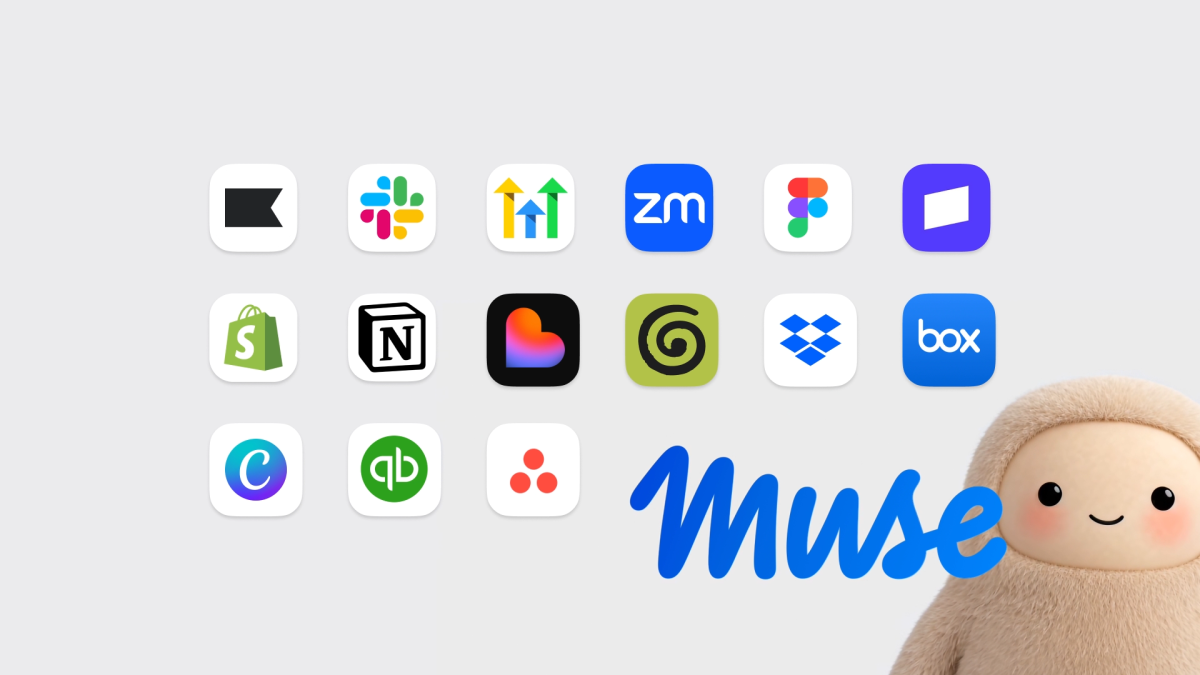
Meta also connected it to tools many small teams already use. Supported services include Asana, Box, Canva, Dropbox, Figma, Granola, HighLevel, Intuit QuickBooks, Klaviyo, Lovable, Notion, Shopify, Slack, Stripe and Zoom. That covers design assets, file storage, project tracking, storefronts, bookkeeping, team messaging and video meetings.
Pricing is freemium. Basic use is free for most needs, while heavier or more intensive use may require a paid subscription.
The release builds on Muse, which Meta launched as a personal AI agent on Sept. 8, 2026. The consumer version arrived in the United States through a dedicated app and WhatsApp to help with everyday tasks and projects. Users can link it to email, calendar, payments and health apps, and it works across a person's devices and digital accounts. Reuters documented that cross-app access at launch.
Muse runs on Muse Spark. Meta introduced Muse Spark in April as its most powerful model yet for a smarter and faster Meta AI assistant, with rollout planned across WhatsApp, Instagram, Facebook and Messenger. Meta describes Muse as a secure, private personal AI agent that proactively helps people meet their goals and suggests ideas. Meta
Distribution followed quickly. Meta started running its own ads promoting Muse on Sept. 9, 2026, a day after launch. TechCrunch reported the promotional push, and Muse has since topped U.S. app download charts. Reuters
For business users, Meta frames the value as closed-loop analysis of owned channels. Its Meta AI for Business materials say the system analyzes Facebook and Instagram content and engagement patterns to provide actionable recommendations for refining strategy. Meta
The broader context here is the shift from assistants that answer questions to agents that take action. Reading analytics is now routine. Permission to work inside ad accounts, compare spend against QuickBooks or Stripe records, and pull creative from Canva or Figma puts the agent inside the daily workflow where small teams spend their time.
Looking at what this means for operators, the integration list is the tell. Shopify and Klaviyo cover the storefront and customer messaging. Slack and Zoom cover coordination. Notion, Asana and Granola cover shared notes and institutional memory. None of this removes the need for human judgment on budgets, targeting or brand voice. It shortens the distance between insight and execution, where lean teams feel constraint most acutely.
In my view, adoption will turn less on model quality than on permissioning and auditability, meaning controls and clear logs. Small businesses will grant broad access only if they can see what the agent touched, reverse it, and set limits. That is familiar ground from cloud admin consoles and mobile device management. Agents raise the stakes because they act across systems, but the design problem is the same.
The reason the pricing structure matters over time is that trial becomes easy. If routine summaries and first-draft campaign actions cost little to try, experimentation becomes normal and intensive, cross-app automation becomes the paid tier. For owners already managing demand inside Instagram, Shopify and QuickBooks, that points to less time stitching tools together and more time on customers and product.