Meta Expands Muse AI Agent to Small Business
Meta announced on September 29 that it is expanding its Muse AI agent to small businesses, pitching it as a background helper to run operations and find new customers. TechCrunch
Muse for Small Business is described by Meta as a personal agent that works in the background to help a small business reach its goals. Meta The base Muse agent was introduced on September 8 as a secure, private personal assistant that proactively helps people meet goals and suggests ideas. Meta CEO Mark Zuckerberg announced that original agent, which Meta billed as the world's first personal AI agent.
For small business users, Meta says Muse remembers business context, meaning what a business sells, how the brand sounds, and what customers ask about most. It links to Instagram professional account analytics, Facebook Pages, and Meta ad accounts, giving it direct access to performance data and customer messages many owners already manage inside Meta's apps.
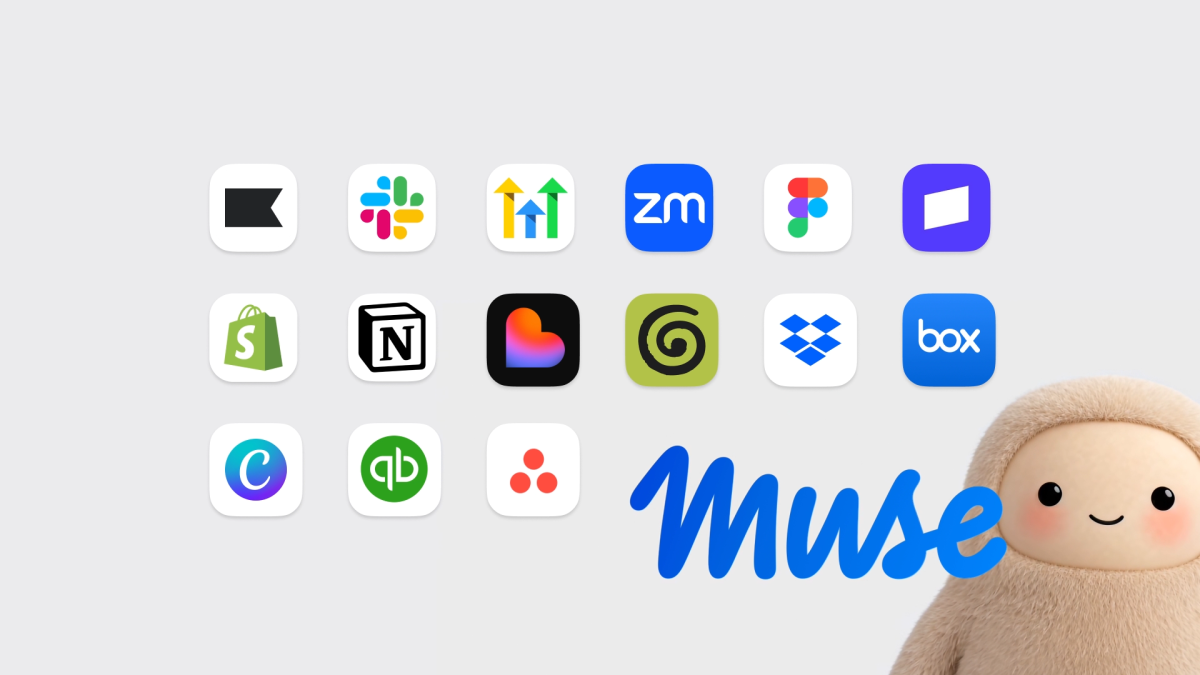
At launch, Muse for Small Business connects to Shopify, Dropbox, and Slack, alongside Asana, Box, Canva, Figma, Granola, HighLevel, Intuit QuickBooks, Klaviyo, Lovable, Notion, Stripe, and Zoom. Meta pitches it as practical, not experimental. Those links cover commerce, storage, messaging, bookkeeping, marketing, design, and video meetings under one permission system, so the agent can pull order, file, message, and payment details without forcing owners to switch tools.
Pricing follows a use-based model common in business software. Muse for Small Business is free with usage limits, with a paid subscription for added use. Meta has not disclosed the limits or price in the materials covered here, but the setup separates casual testing from steady use.
The launch sits inside a larger enterprise push. Meta launched the Meta Enterprise Platform to turn its AI stack into products companies can deploy for themselves. Meta It hired MongoDB CEO Chirantan "CJ" Desai to lead the new enterprise AI effort. Meta also offers Meta AI for Business, with business-focused AI skills to help owners and creators review performance and study competitors. Separately, Meta Platforms has been developing plans for a cloud business to sell access to AI computing power and models. Bloomberg
Market reaction to the consumer Muse came first. Shares of major banks, insurers, and online travel agencies slid on September 22 on investor fears about the Muse personal agent. Bloomberg Investors worried Meta's scale could make Muse a strong comparison-shopping tool that helps consumers find lower-cost options more easily. Reuters
The broader context here is worth noting for technology buyers. Combining shop data from Shopify and Stripe, creative files from Canva and Figma, and reach and measurement from Instagram, Facebook Pages, and Meta ad accounts removes steps that once required extra software or manual exports. If permission controls, audit logs, and data retention hold up under review, that could cut busywork for very small teams without IT staff. In my view, the durable test is not whether Muse answers questions, but whether it acts reliably across those systems with guardrails owners understand.
Stepping back from the launch details, Muse for Small Business extends a consumer agent to business work, charging by usage rather than by employee seat. If adoption follows, owners could hand off routine coordination across commerce, messaging, and marketing while keeping customer hunting inside Meta's ecosystem.