US Exit From Iraq: Deadline, Erbil Base, and What Comes Next
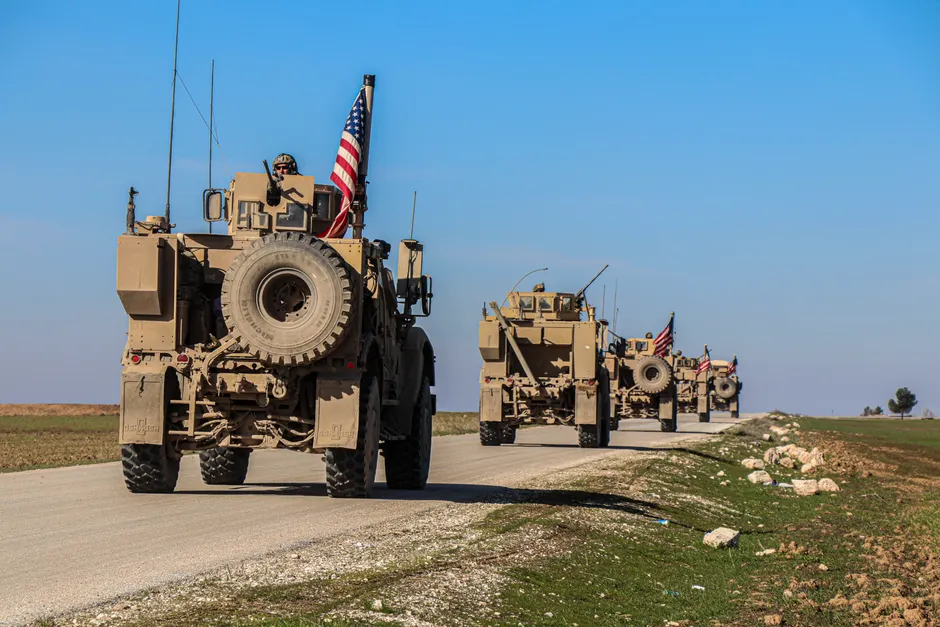
US forces were scheduled to leave their last bases in Iraq by September 30, 2026, ending roughly 20 years of US military presence. Reuters reported the deadline on September 29, when only hours remained for final movements.
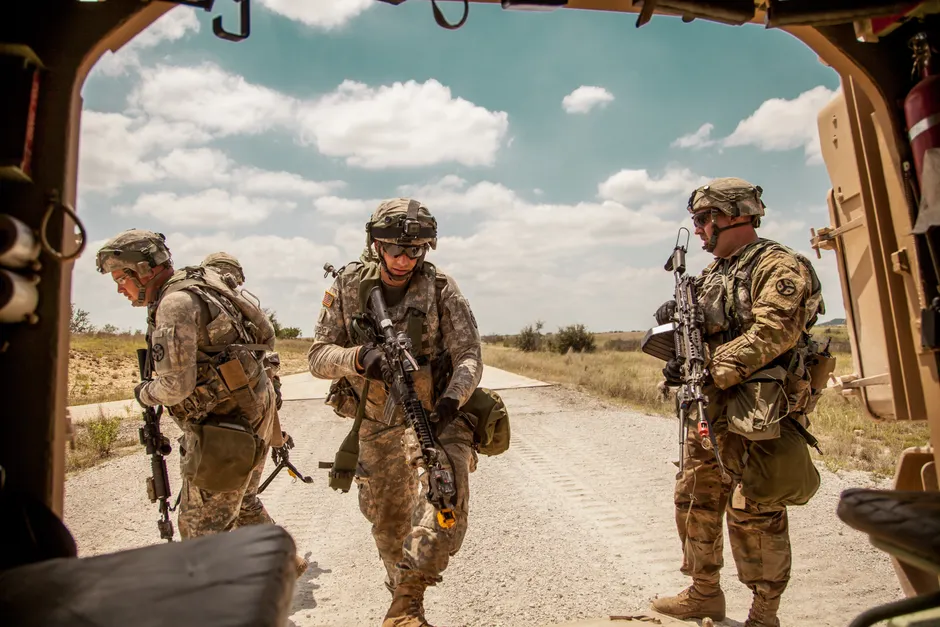
Hundreds of US troops were still in northern Iraq ahead of the deadline. AP By that final phase only a few hundred soldiers remained. They served as advisers, more like coaches than combat fighters, in the coalition effort against ISIL, the armed group known as Islamic State. In late 2025 they had gathered at an airbase in Erbil, in Iraq's semi-autonomous Kurdish region, an area that handles many of its own affairs. Al Jazeera
The coalition mission was called Operation Inherent Resolve. It started in 2015. ISIL lost control of territory in Iraq in 2017. The United States began pulling troops out in 2020 under President Donald Trump.
Iraq's prime minister is Ali al-Zaidi. His government plans four "Sovereignty Days" as a national holiday to mark the full withdrawal. Al-Zaidi told the UN General Assembly that Iraq is "moving its relationship with strategic partners from military cooperation to economic and development cooperation."
Al-Zaidi's government wants all militias, armed groups outside the regular army, disarmed by June 2027. Some militias have said they will not give up weapons. Former US ambassador to Iraq and Kuwait Douglas Silliman, now president of the Arab Gulf States Institute in Washington, is among the officials with long experience on Iraq policy.
The broader context here is a change in the legal and political terms of partnership. An advisory mission under a counter-ISIL coalition has different legal authority, size and risk than a combat deployment. Gathering troops in Erbil made supply and protection simpler in the final months, but it also placed the last US presence in the Kurdish region. That affects coordination between Baghdad and Kurdish authorities after September 30.
Looking at what this means for Baghdad, the order of steps is important. Public commemoration comes first. Disarmament is set for later, by June 2027. That sequence gives the government a story of restored sovereignty while pushing the tougher challenge outward: placing armed groups outside state command under sole government control. Stated refusal by some militias suggests the timetable will have to be negotiated, not simply carried out. Practical questions include who commands and pays fighters, how they might join state forces, and whether economic cooperation can sustain intelligence sharing, air support and training once provided through military ties.