U.S. Troops Have Left Iraq: From Transition Talk to Withdrawal
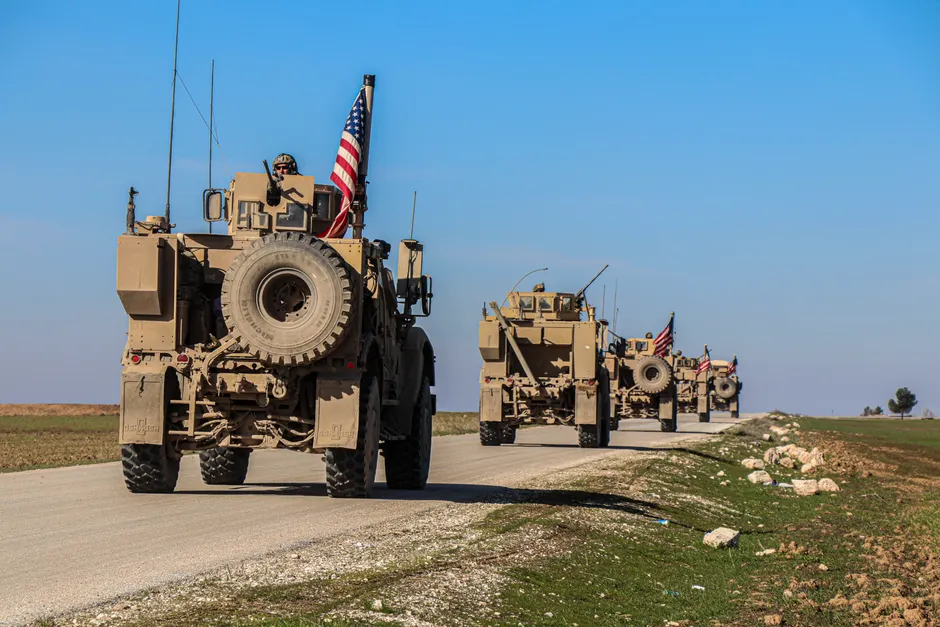
The U.S. military announced on Wednesday, September 30, 2026, that all American troops have left Iraq.
The announcement ended a presence that, in its most recent form, lasted more than a decade. Reuters, in a September 29 report by Ahmed Rasheed titled "US forces exit Iraq after two decades, leaving opening for Iran," described the departure as the end of two decades of U.S. military involvement in the country.
The date had been reported for months. A July assessment said U.S. troops were set to fully withdraw by September 30, the same deadline now confirmed as met. DW
The history reaches back to the 2003 invasion to remove Saddam Hussein. U.S. forces left Iraq in 2011 and returned in 2014 to fight the Islamic State group, a campaign called Operation Inherent Resolve, the U.S.-led effort against the group in Iraq and Syria. Associated Press
For two years, Washington described the coming change as a transition rather than an exit. The Department of Defense published a news story on September 27, 2024, titled "Inherent Resolve Mission in Iraq and Syria Transitioning." An administration official quoted there said the United States is not withdrawing from Iraq. U.S. Department of Defense
That wording shaped Pentagon briefings through fall 2024. At a September 10, 2024, briefing, Maj. Gen. Pat Ryder was asked whether U.S. forces would pull out from federal Iraq, the areas governed from Baghdad, by September 2025 and from the Kurdistan region in the north by September 2026. The question captured the two-part geography, with separate timelines for the center and south versus the north. U.S. Department of Defense
Earlier that month, sources told Reuters that a U.S.-Iraq deal would bring hundreds of troops home in the first year. The same reporting said the plan called for withdrawal by the end of 2026. Reuters
The 2024 plan laid out a first-year reduction followed by a second phase focused on the north. Those steps match the September 2025 and September 2026 dates raised with Ryder. The final completion on September 30 falls at the outer edge of the end-of-2026 window described by sources at the time.
The broader context here is the difference between transition language and withdrawal fact. In 2024, U.S. officials avoided the word withdrawal. They talked about an evolving mission, continued partnership, and a shift from a coalition structure, many countries acting together, to bilateral security ties, meaning direct U.S.-Iraq cooperation. For planners, that language left legal and political room to keep planning without signaling to partners that support was ending or to rivals that an opportunity had opened.
Looking at what this means for alliance management, the test will be what still works, not what it is called. Experts will watch familiar questions from past drawdowns. Can Iraqi security forces keep pressure on Islamic State remnants without U.S. enablers, such as air support, intelligence and logistics, inside the country. What advisory, intelligence-sharing and air-support arrangements, if any, continue from outside Iraq. And how the parallel mission in Syria is affected, since Inherent Resolve always covered both Iraq and Syria.
In my view, the Reuters description of an opening for Iran points to the main uncertainty in coverage ahead. A smaller U.S. footprint changes bargaining in Baghdad. It does not by itself decide who gains influence. That will depend on Iraqi domestic politics, the strength of the security forces, energy and budget pressures, and decisions in Tehran, Ankara and Gulf capitals as much as in Washington.
For diplomats thinking about what comes next, the sequence from 2003 to 2011 to 2014 to 2026 offers a clear precedent to study. Each departure was followed by a return under different legal authority and with a narrower task. Whether this withdrawal lasts will depend less on the ceremony of the final flight than on whether the direct cooperation tools agreed during the transition can handle the next crisis without a large force on the ground.