U.S. Withdrawal From Iraq: Why the Language Changed Since 2024
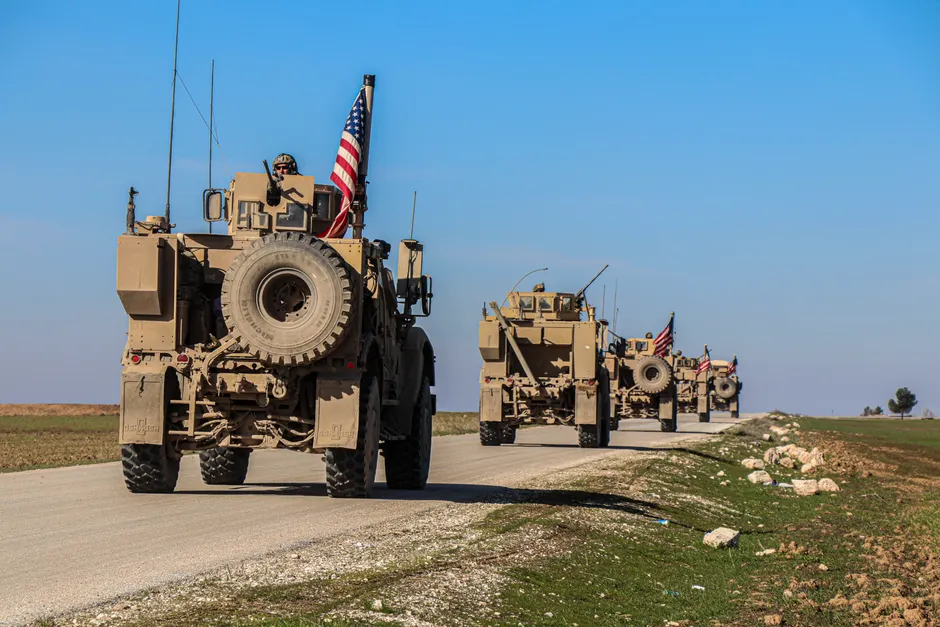
U.S. and Iraqi officials announced on September 30, 2026 that the last American troops had left bases in Iraq. The move completed a plan agreed in 2024. Reuters
President Donald Trump said U.S. troops were leaving Iraq, calling it the end of an 'excursion into hell'. Reuters
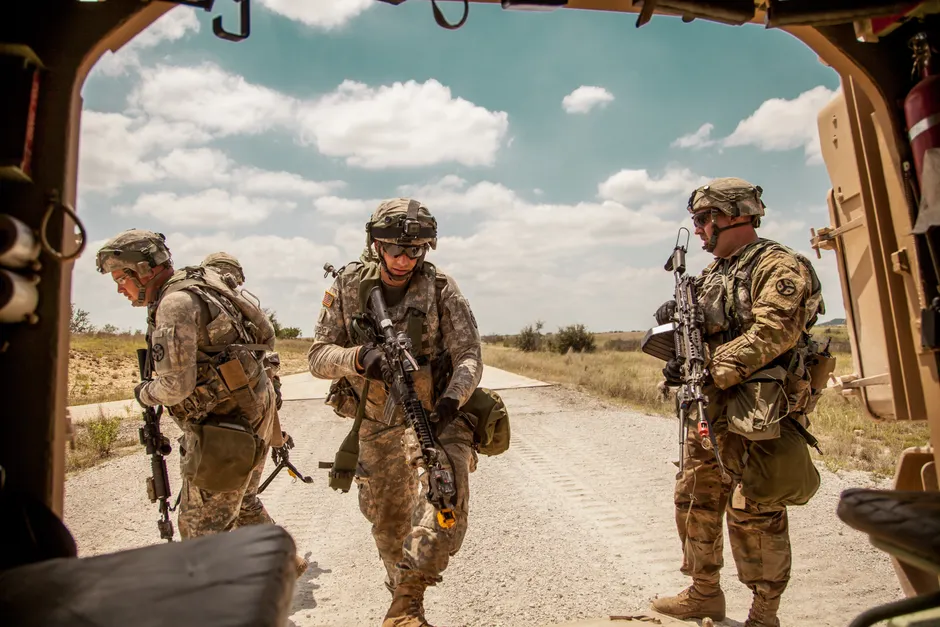
The U.S.-led military presence that ended on September 30, 2026 began after the 2003 U.S.-led invasion. Reuters 4,500 U.S. troops died in the Iraq war. Reuters
The 2024 plan used different words. A U.S. Department of Defense article on the transitioning Inherent Resolve mission, the U.S.-led coalition operation in Iraq and Syria, states that "the United States is not withdrawing from Iraq". DoD That wording framed the change as a mission transition, a shift in tasks, rather than an exit.
A Pentagon press briefing transcript from September 10, 2024 includes a question asking whether U.S. forces are pulling out from federal Iraq, the areas governed from Baghdad, by September 2025 and the Kurdistan region, the Kurdish-run north, by September 2026. DoD Transcript The September 2026 announcement lines up with the second date raised in that question.
That step-by-step plan followed earlier cuts. Acting Secretary Miller announced a drawdown, a reduction in numbers, to 2,500 troops in Afghanistan and 2,500 in Iraq during his first appearance in the Pentagon briefing room. DoD President Joe Biden announced the drawdown of all 2,500 U.S. troops in Afghanistan beginning May 1. DoD
The broader context here is terminology as policy. Transition, drawdown and withdrawal mean a change in mission, a cut in numbers, and a full exit. It is like changing the terms of a lease versus moving out entirely. Each term carries distinct legal and diplomatic consequences for basing rights, command arrangements and host-nation consent, or permission from Iraq to stay. Washington in 2024 insisted it was not withdrawing. Baghdad and Washington in 2026 announced a withdrawal complete.
Looking at what this means for alliance management, the sequencing deserves attention. Federal Iraq and the Kurdistan region were treated as separate timelines in the Pentagon briefing exchange. That distinction reflects separate political agreements, separate force postures and separate risk assessments. A staggered schedule allows consultation with Erbil as well as Baghdad, and preserves flexibility if security conditions diverge between the two areas.
In my view, the historical parallel will shape interpretation in capitals. The Afghanistan drawdown to zero in 2021 remains the immediate reference point for any U.S. exit timetable, force protection during retrograde, or the safe removal of troops and gear, and post-presence security cooperation. Iraq differs in institutional structure, with a standing invitation framework and a coalition architecture built around Inherent Resolve. Still, planners will compare timelines, residual functions and public messaging across both cases.