Two Major Earthquakes Strike Venezuela: What the Seismic Data Says About the Crisis Ahead

Two powerful earthquakes—magnitudes 7.2 and 7.5—struck Venezuela on June 24, 2026, less than a minute apart. The larger quake hit 28 kilometers southeast of Yumare, a town in Yaracuy state about 200 kilometers west of Caracas, along the South American–Caribbean plate boundary where tectonic activity is common. USGS issued its highest-level alert, indicating a strong probability of widespread casualties and structural damage.
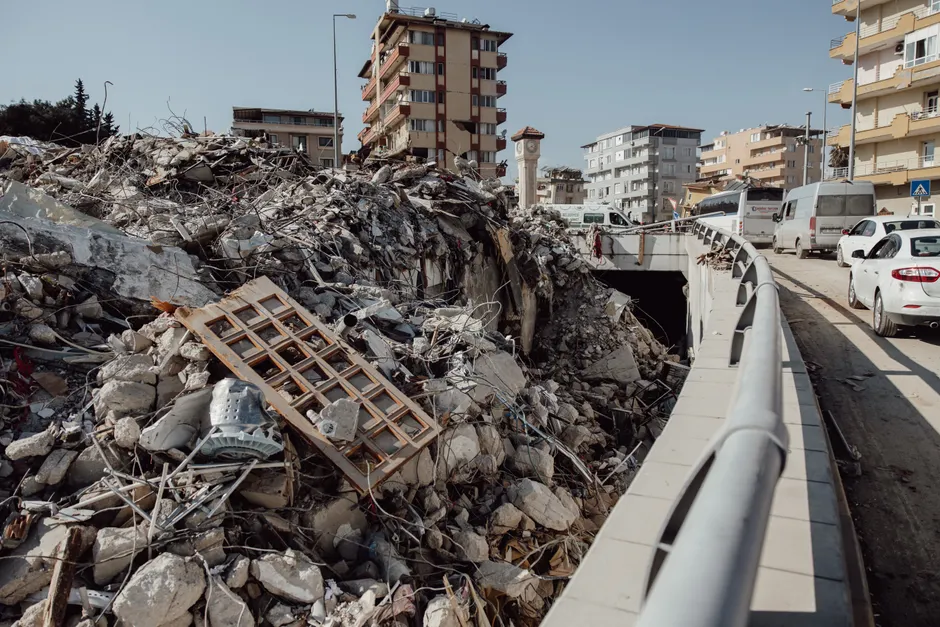
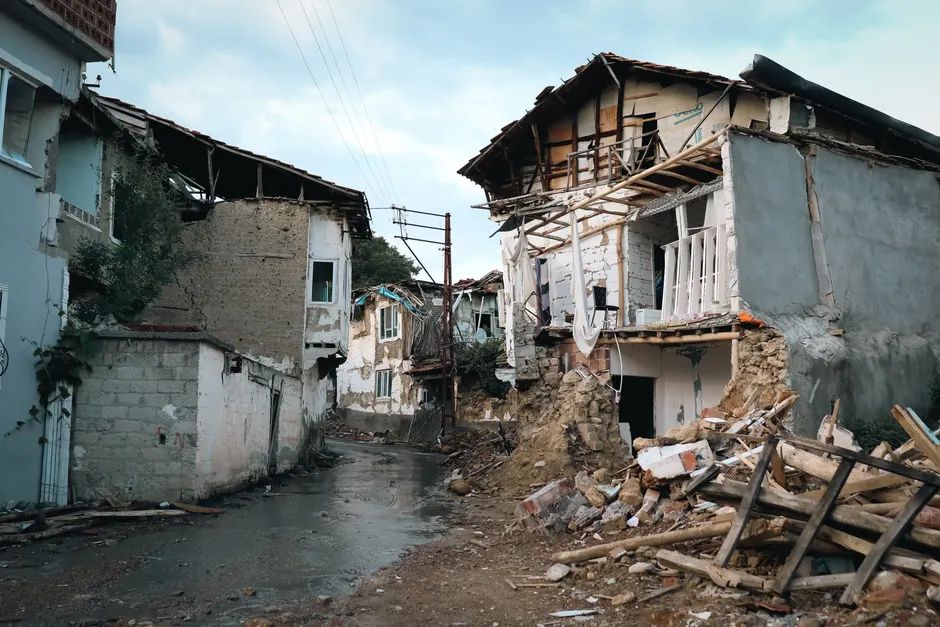
At this magnitude and with a shallow focal depth typical of Caribbean fault zones, ground shaking spreads across a large area with severe intensity. Yaracuy's urban centers and informal settlements—many built with adobe and unreinforced masonry—are especially vulnerable to lateral shaking. At these depths and energies, even well-constructed buildings experience significant stress.
Two M7+ earthquakes within seconds is uncommon seismically, though not unheard of along complex, multi-segment fault systems. The M7.2 may have been a foreshock, or both may have ruptured nearly simultaneously on adjacent fault segments. Distinguishing between the two requires detailed waveform analysis. Either way, search-and-rescue teams face a landscape reshaped by at least two distinct peak-shaking events, each potentially with different damage zones.
President Nicolás Maduro Rodríguez declared a nationwide state of emergency on June 25, according to Reuters, but released no confirmed death toll. This is standard in the immediate aftermath of a major earthquake—rescue operations are ongoing, hospitals are overwhelmed, and communication networks in affected areas are often damaged. What it means operationally is that international agencies are basing their response estimates on USGS computer models rather than actual ground counts.
The humanitarian calculus is already shifting. Reuters reported on June 25 that the United States announced it was mobilizing aid—a significant move given that U.S.–Venezuela relations have been severely strained for over a decade. The U.S. has no ambassador in Caracas and communicates through intermediaries. Disaster response can sometimes open diplomatic channels even between adversaries, though Venezuela's government has historically been cautious about accepting U.S. aid, weighing both humanitarian need and political messaging.
Here is where the broader picture becomes consequential. Venezuela's capacity to respond to this crisis is compromised. Years of economic contraction, international sanctions, and neglect of public infrastructure have left the country fragile. FONDEN, the government fund that once financed large-scale disaster response, has been largely emptied. The Venezuelan Red Cross and regional health agencies have staff on the ground, but a dual M7+ event will almost certainly overwhelm domestic resources in the short term. International coordination becomes essential—and the political calculations around accepting aid from which countries may shape survival rates as much as the magnitude of the quake itself.
The historical seismic record is sobering. Venezuela's northern margin runs along the El Pilar fault system, where the Caribbean plate slides eastward relative to South America. The 1812 Caracas earthquake, estimated at M7.7, killed thousands and destroyed much of the colonial city. The 1967 Caracas earthquake (M6.5) caused major failures in modern concrete buildings, exposing construction standards that still influence—or should influence—building codes across the region. Yaracuy has experienced damaging earthquakes before, but a doublet of this magnitude in rapid succession reaches the upper end of locally recorded seismic history.
Casualty figures and damage assessments will become clearer over the next 24 to 72 hours as field teams gather data and the USGS refines its ShakeMap. For now, the key facts are a high-probability mass-casualty event, a government that has declared emergency powers without yet quantifying losses, and an international community—including a long-time geopolitical rival—already mobilizing resources toward a country with limited ability to manage the emergency alone.